
Last updated September 23, 2026
Whole-system duct and dryer vent check with before-and-after photos - you see exactly what came out of your vents
That "$99 whole-house special" is a bait ad - the real number appears once they are in your hallway, or the "clean" is a shop-vac at the register. We photograph the inside of your ducts before and after instead.
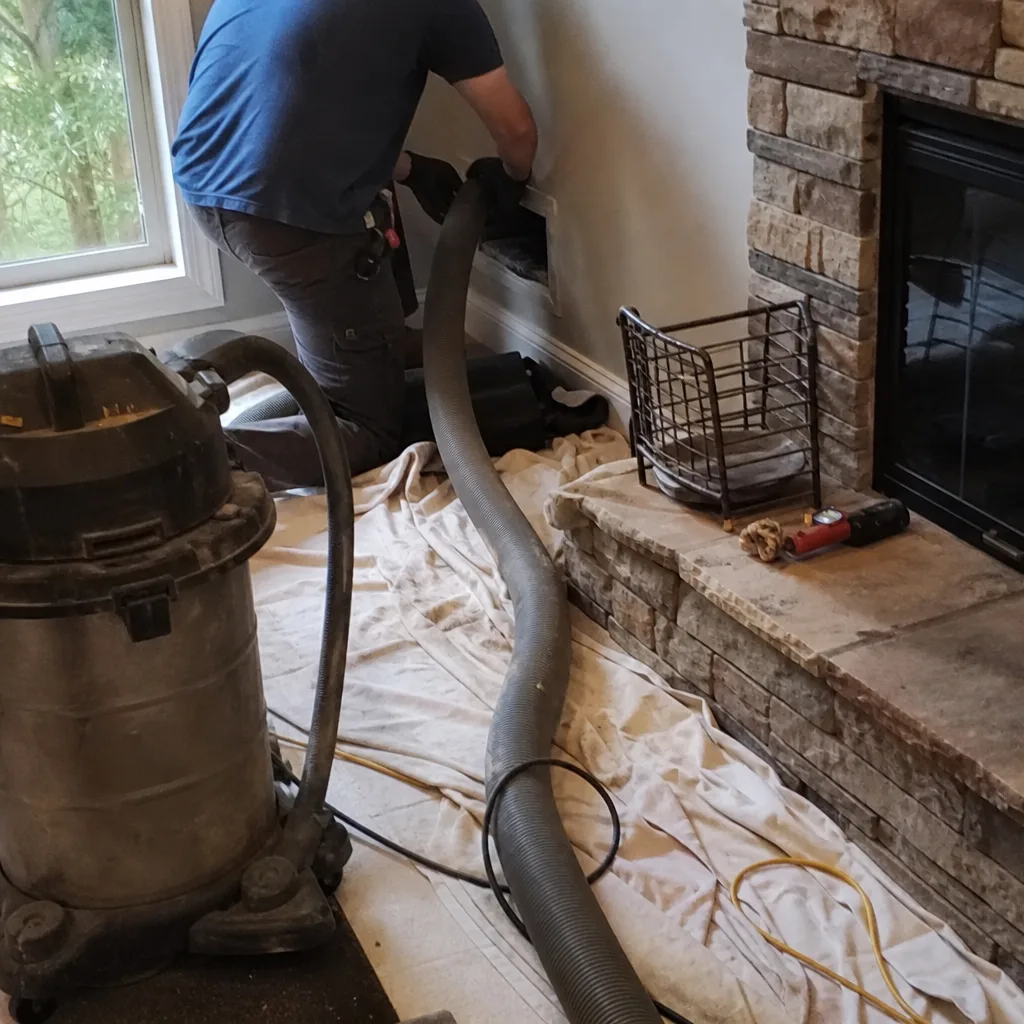 Before
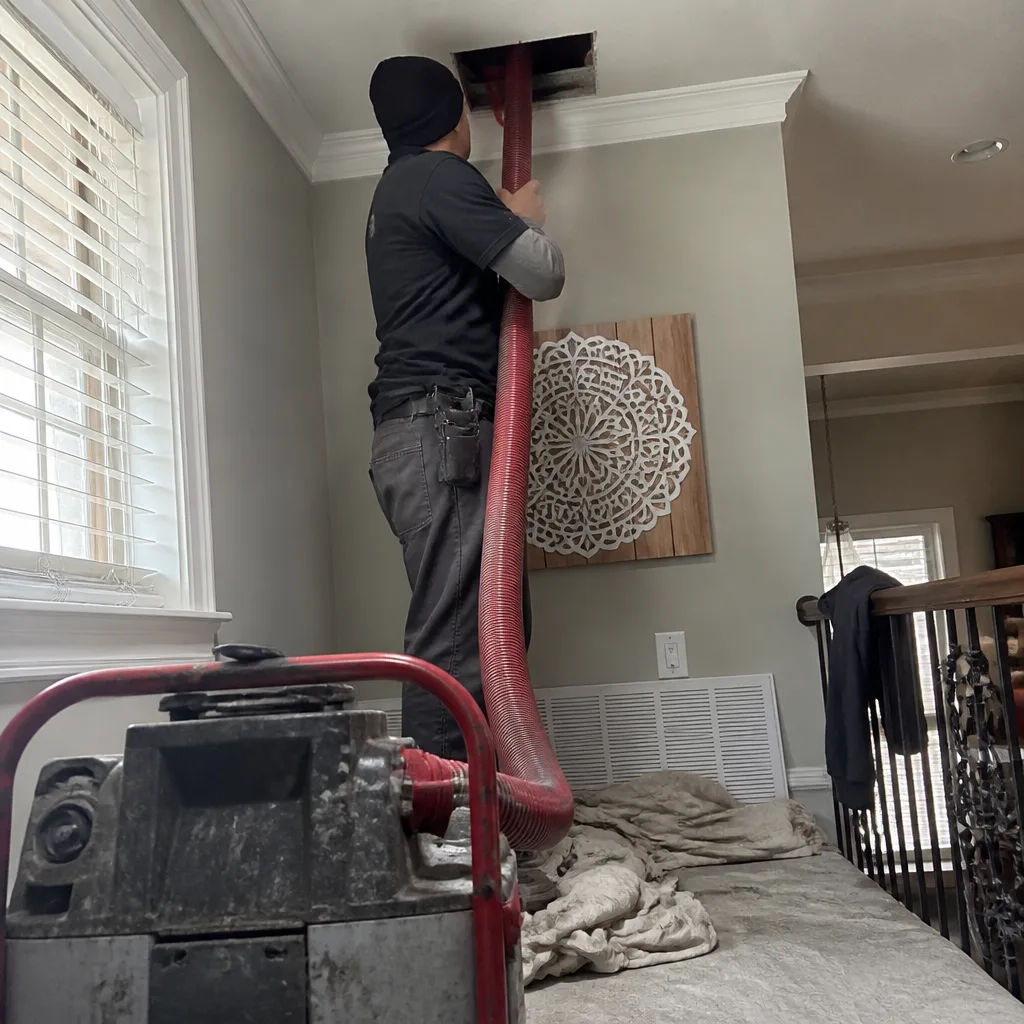 After
After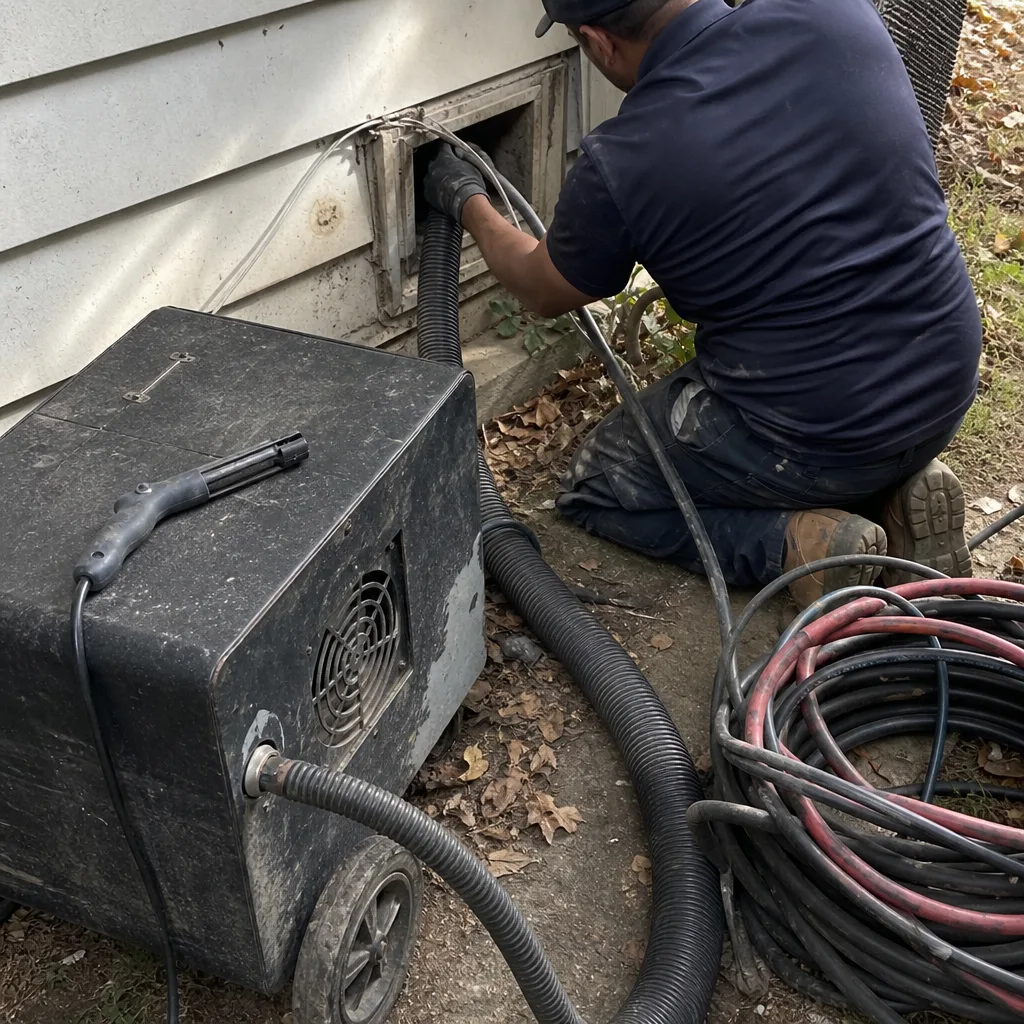 Before
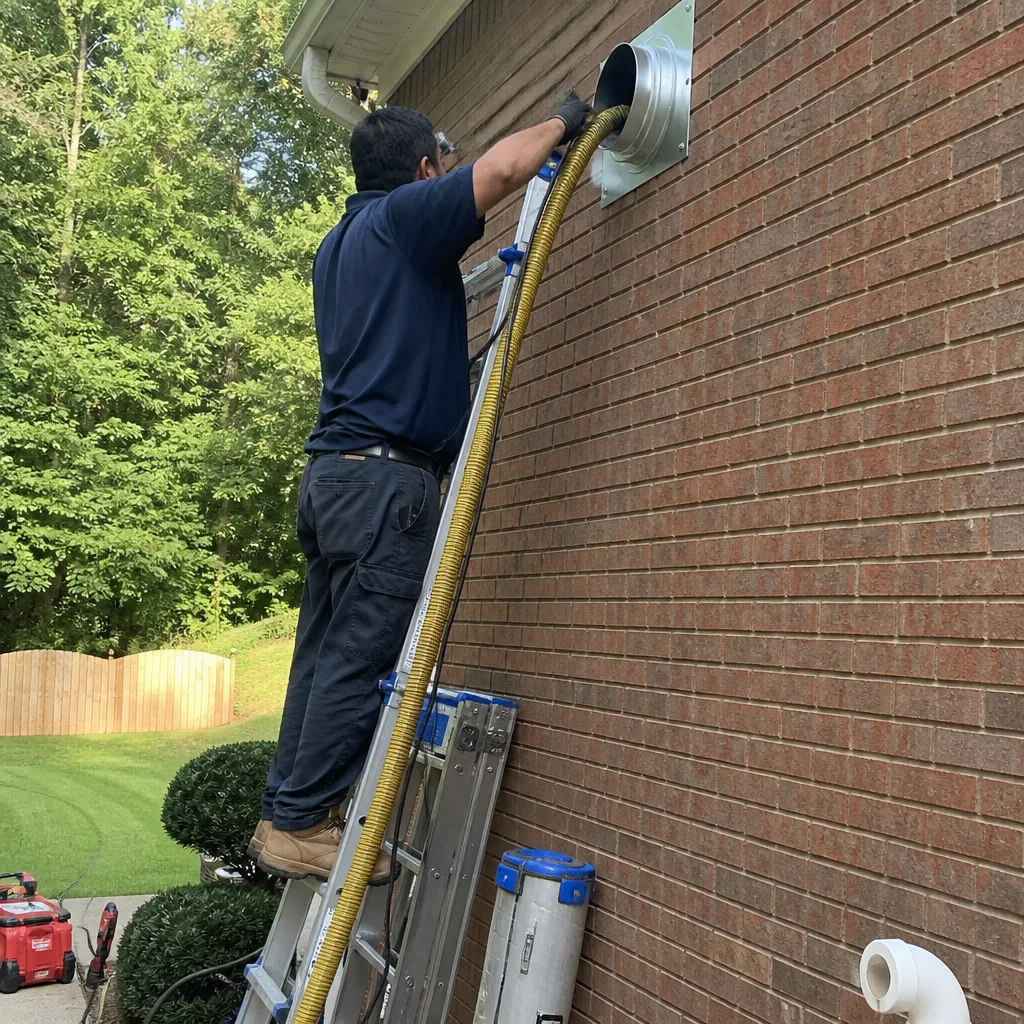 After
After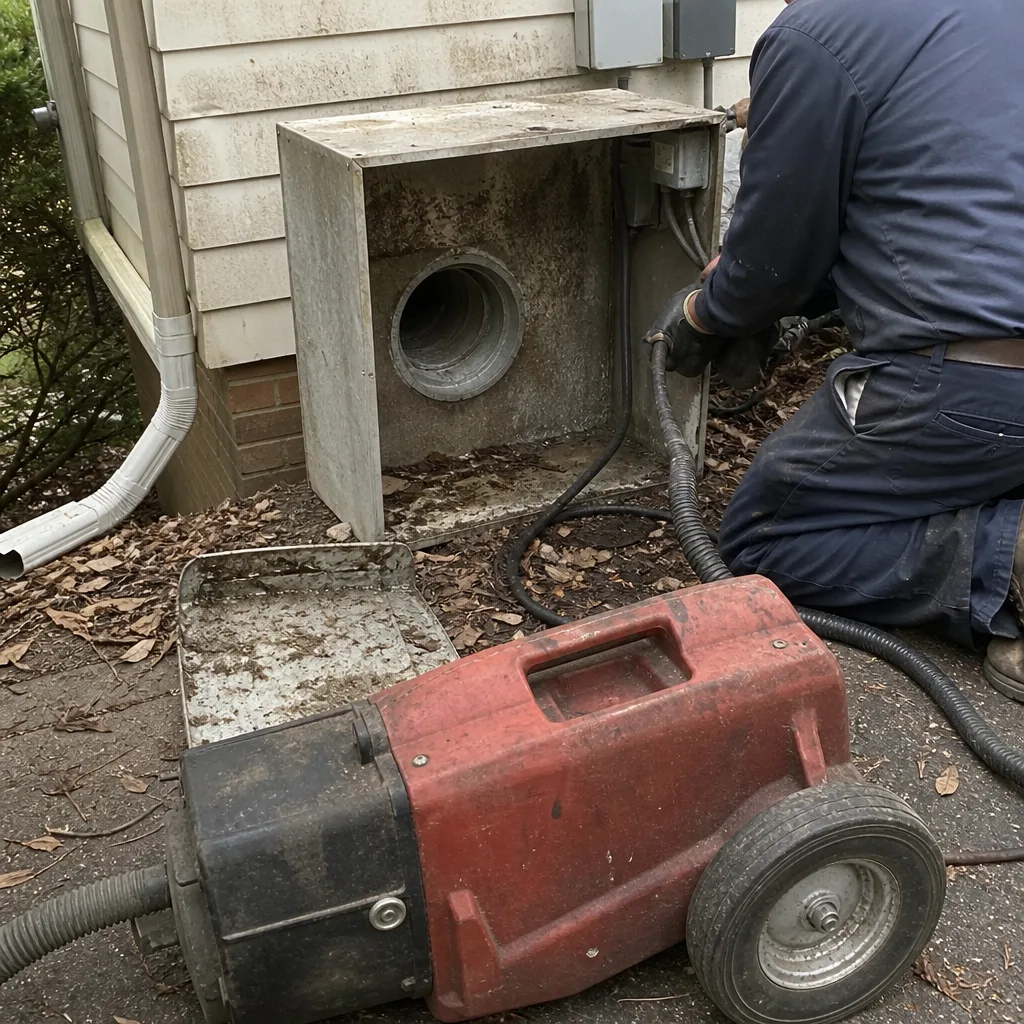 Before
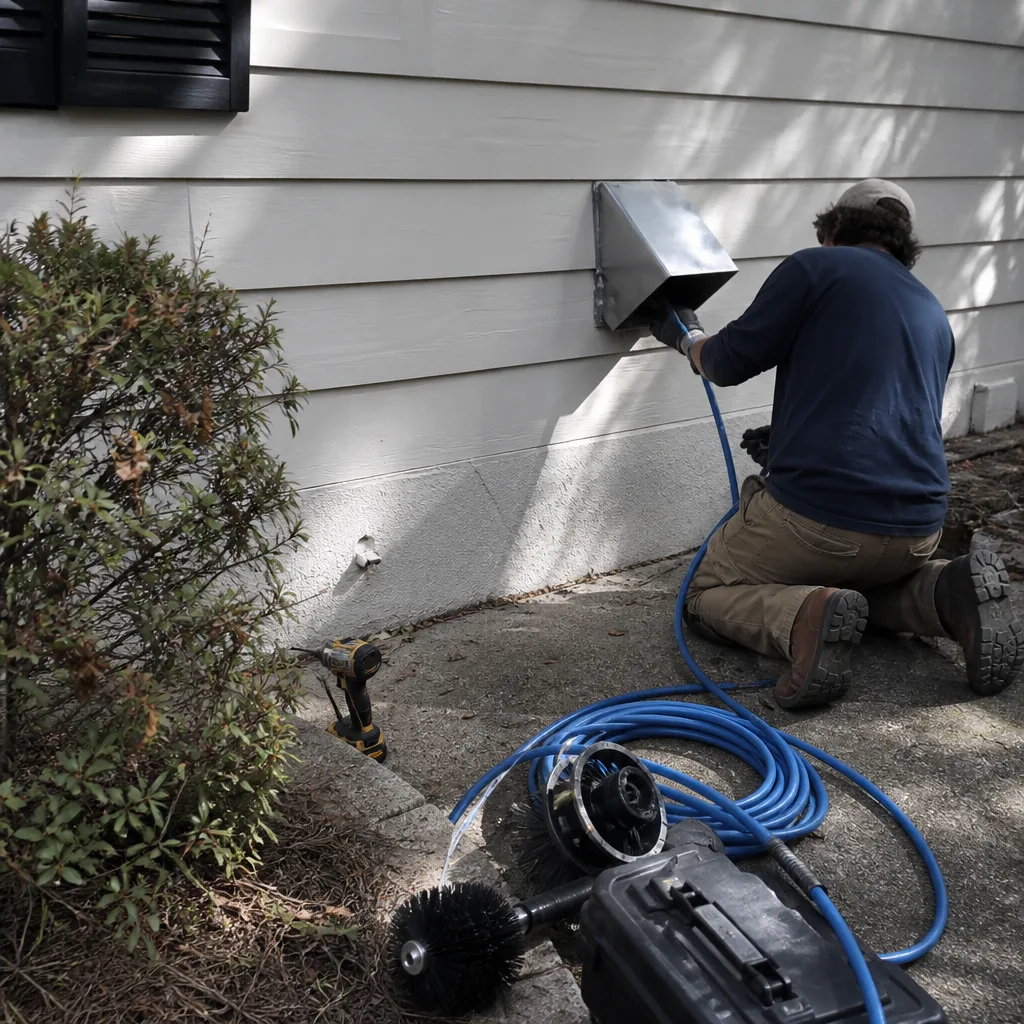 After
AfterAir Duct Cleaning Cost Breakdown: The Johns Creek Homeowner’s Reference for 2026
A $79 air duct cleaning and a $550 air duct cleaning in Johns Creek use the same words to describe two entirely different jobs. We’ve documented both since 2013. The cheaper price covers a 45-minute surface vacuum of visible registers. The higher price covers source removal - negative-pressure extraction through every supply and return duct run, with photographic proof of what came out. This guide - alongside our Air Duct Cleaning Maintenance Checklist for Johns Creek Homeowners - breaks down exactly what each component costs in the Johns Creek market, why the method matters more than the brand name, and how to read a written quote before anyone touches your HVAC system.
Quick Answer
Air Duct Cleaning services for a typical Johns Creek home - roughly 2,400 to 3,200 square feet with 10 to 14 duct runs - typically run $350 to $550 in 2026. This covers full source-removal cleaning of supply and return ductwork using negative-pressure equipment, plus a documented photo record of every run. Prices below $300 typically indicate a surface clean or register-only service with significant scope excluded.
Table of Contents
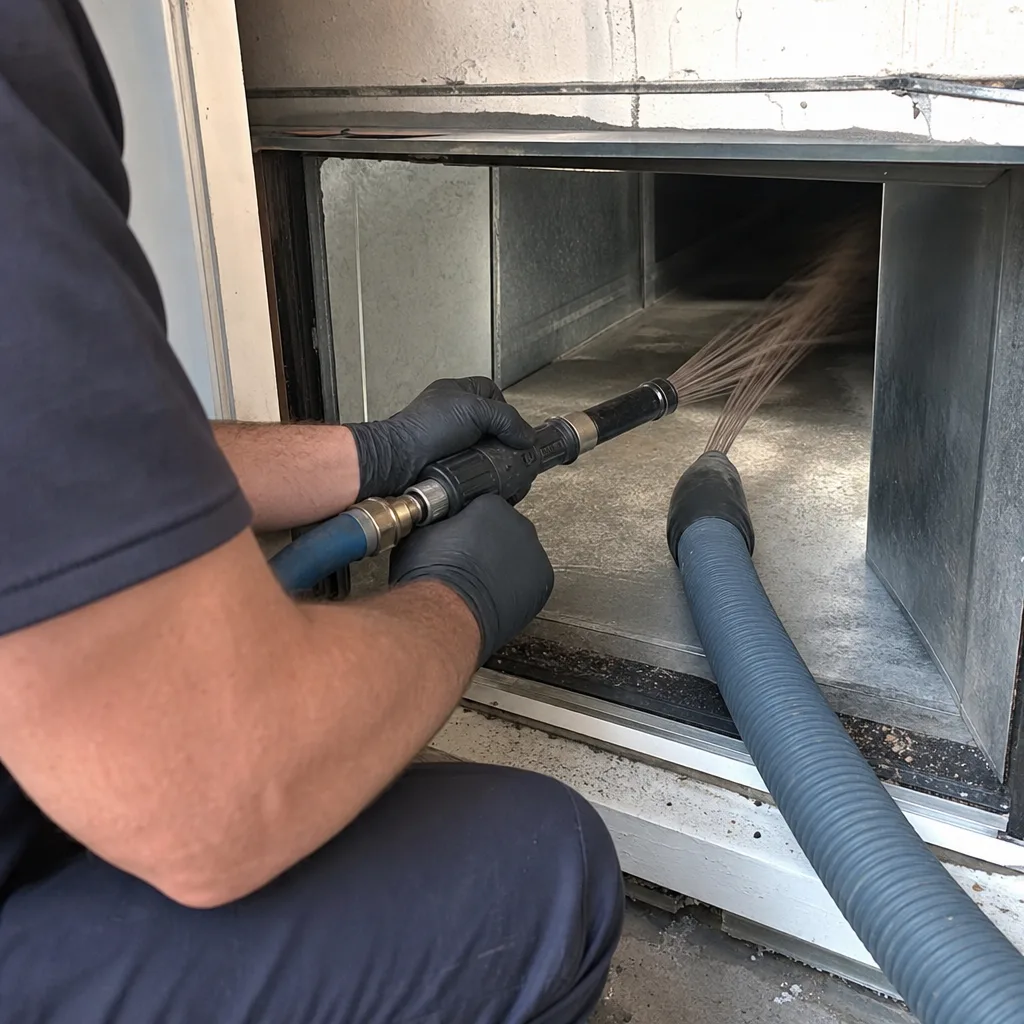
- Line-Item Cost Model: Where the Money Goes
- What the $79 Price Actually Covers
- Equipment Types and Why Method Affects Price
- Add-Ons: Real Value Versus Margin Padding
- How to Read a Written Quote Like a Technician
- Johns Creek-Specific Factors That Move Price
- Common Mistakes to Avoid
- When to Call a Professional
- Frequently Asked Questions
- The Bottom Line
BeforeAfterLine-Item Cost Model: Where the Money Goes
Every written quote we deliver in Johns Creek follows the same structure. Understanding these line items lets you compare any two quotes without getting lost in marketing language.
Base System Price: $180-$260
This covers the truck, the crew, the setup, and the first 8 to 10 duct runs. It includes:
- Negative-pressure extraction unit (typically a Nikro or Abatement Technologies truck-mounted system)
- Agitation tools - rotary brushes or compressed-air whips that knock debris loose from duct walls
- Access panel creation and sealing (cutting into the plenum, the main distribution box, and patching afterward)
- Basic register and grille cleaning
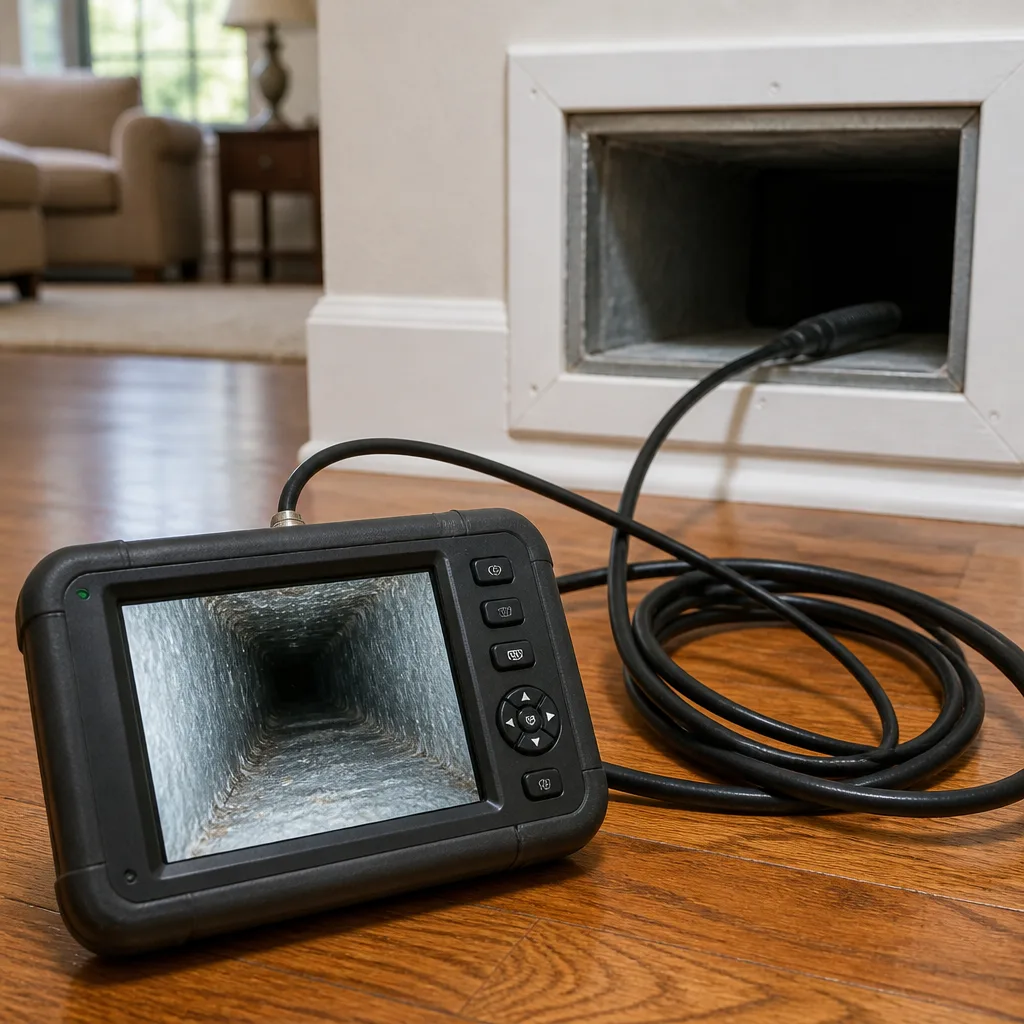
- Documented photo record setup - camera insertion before and after each run
The base price varies with system accessibility. A furnace in a cramped Johns Creek crawlspace takes longer to access than one in a basement utility room. Homes in Country Club of the South with dedicated mechanical rooms typically sit at the lower end. Split-level homes in Medlock Bridge with attic air handlers often run higher.
Per Additional Duct Run: $18-$28
Most Johns Creek homes built between 1995 and 2015 have 10 to 14 duct runs. Newer construction in neighborhoods like Rivermont and Thousand Oaks often runs 16 to 20 runs with multi-zone systems. Each additional run requires:
- Independent agitation and extraction time (typically 8 to 12 minutes per run)
- Camera documentation before and after
- Register removal, cleaning, and reinstallation
A 12-run home adds roughly $40-$80 to the base. A 20-run home adds $180-$280.
Supply Versus Return Treatment
Some contractors quote supply-only cleaning. This is a partial job. Supply ducts push conditioned air into rooms. Return ducts pull air back to the air handler. Both collect debris, but returns typically hold more because they’re the intake path.
Complete source removal treats both. A supply-only quote in Johns Creek typically runs $220-$320. Adding returns adds $90-$160. If a quote seems low, check whether returns are included. The H.A.V.E.N. Standard requires both for any job we label “complete.”
Air Handler / Furnace Cabinet Cleaning: $80-$140
The air handler is the indoor unit - blower, coil, and drain pan. It’s not technically ductwork, but it’s the next component in the airflow path. A dirty blower wheel recirculates debris immediately after duct cleaning. Cleaning it separately takes 45 to 60 minutes and requires opening the cabinet.
We photograph the blower before and after, same as the ducts. Some Johns Creek homeowners skip this to save money. We note it in writing if they do, because the 365-Day Done Right Promise applies to the scope we agreed to, not to adjacent components we excluded.
Summary Table: Typical Johns Creek Home (12 Runs, 2,800 sq ft)
| Component | Price Range |
|---|---|
| Base system (up to 10 runs) | $180-$260 |
| 2 additional runs | $36-$56 |
| Return duct treatment | $90-$140 |
| Air handler cleaning | $80-$140 |
| Total complete service | $386-$596 |
Our typical Johns Creek job lands between $420 and $520 once we account for homes that need return treatment but skip the air handler, or vice versa.
What the $79 Price Actually Covers
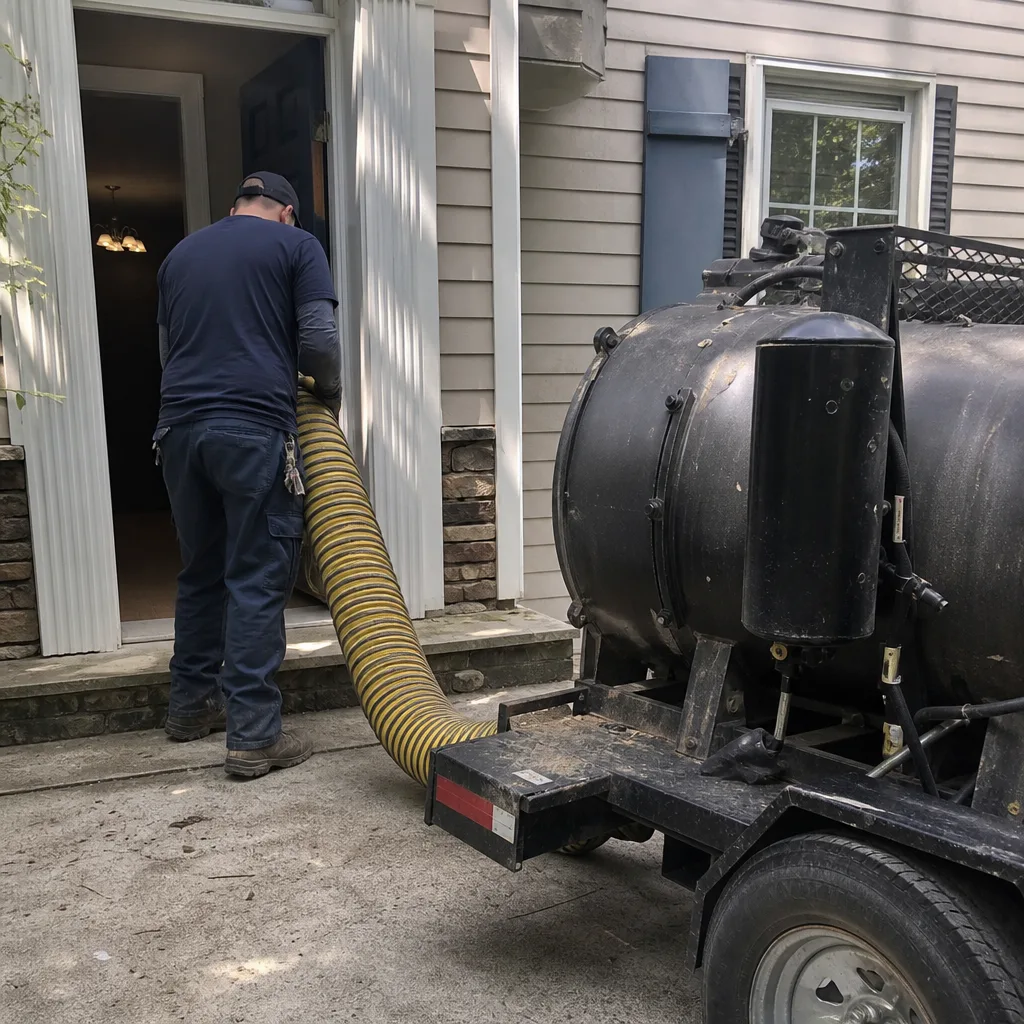
We’ve inspected the work of low-price competitors in Johns Creek. Here’s what $79 physically buys, based on what we’ve found.
A single technician arrives with a portable vacuum unit, often a shop-vac or small Rotobrush portable. They spend 30 to 45 minutes on site. They remove and wipe visible registers, vacuum the first 2 to 3 feet of each duct opening, and run a brush or vacuum hose a short distance into the ductwork. They do not access the plenum. They do not clean return ducts. They do not photograph the interior of the runs.
The economics are straightforward: at $79, the company has 45 minutes of labor and fuel to cover before losing money. Source removal through a complete system takes 3 to 5 hours for two technicians. The math doesn’t work unless something changes after arrival.
That change is the upsell. The technician finds “mold,” “blockages,” or “required sanitizing” and presents a revised price of $400 to $800. The customer, already invested in the appointment, often agrees. The original $79 was a customer acquisition cost, not a service price.
We’ve documented this pattern in Johns Creek since 2013. In 2019, a homeowner in Abbots Hill showed us a $79 coupon invoice that totaled $680 after “required antimicrobial treatment” and “deep extraction” charges added on site. The photo record we took afterward showed significant debris remaining in 6 of 11 runs.
Haven Standard Clause 1 exists because of this: written price before any work starts, every time, no exceptions. If the scope changes, the price changes in writing before the new work begins.
Equipment Types and Why Method Affects Price
Not all “professional equipment” performs the same function. The method determines whether debris leaves your home or just moves around inside it.
Negative-Pressure Truck-Mount Systems: $350-$550 Typical Job Price
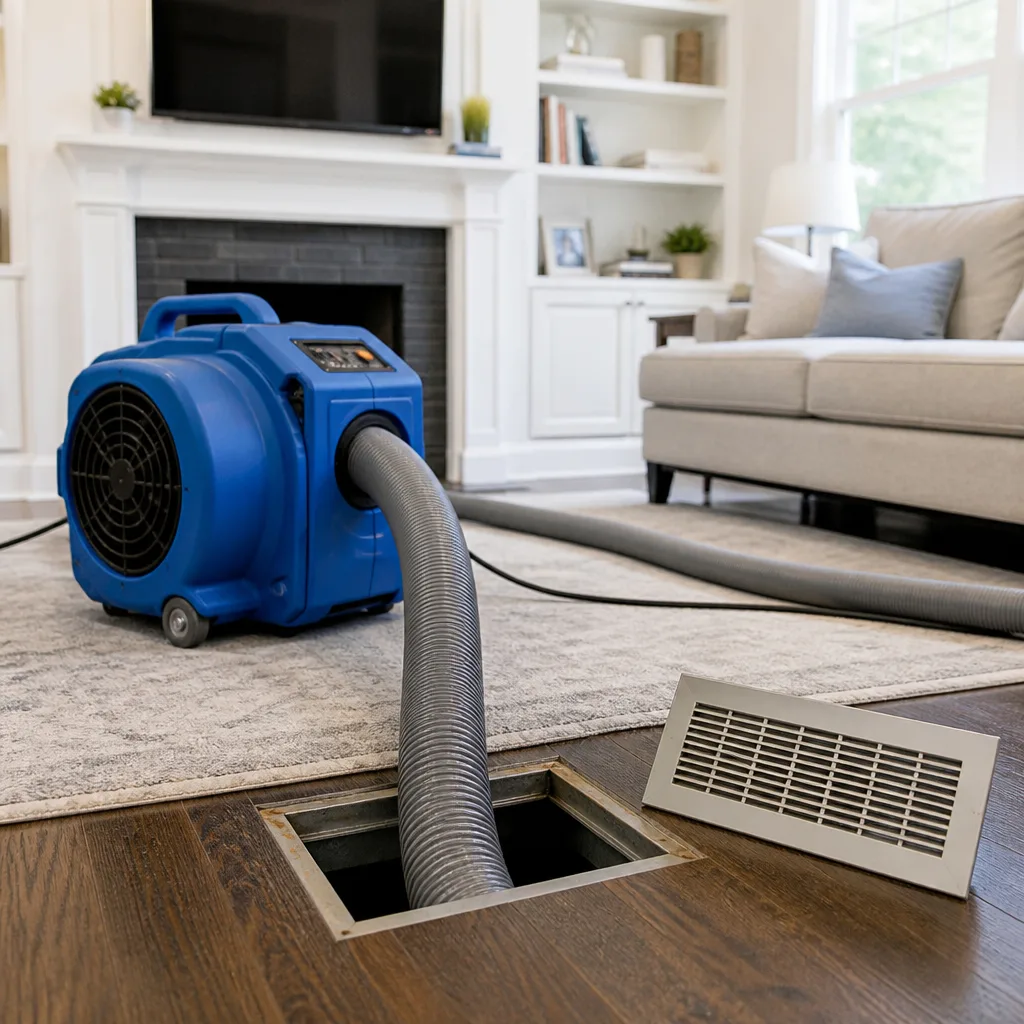
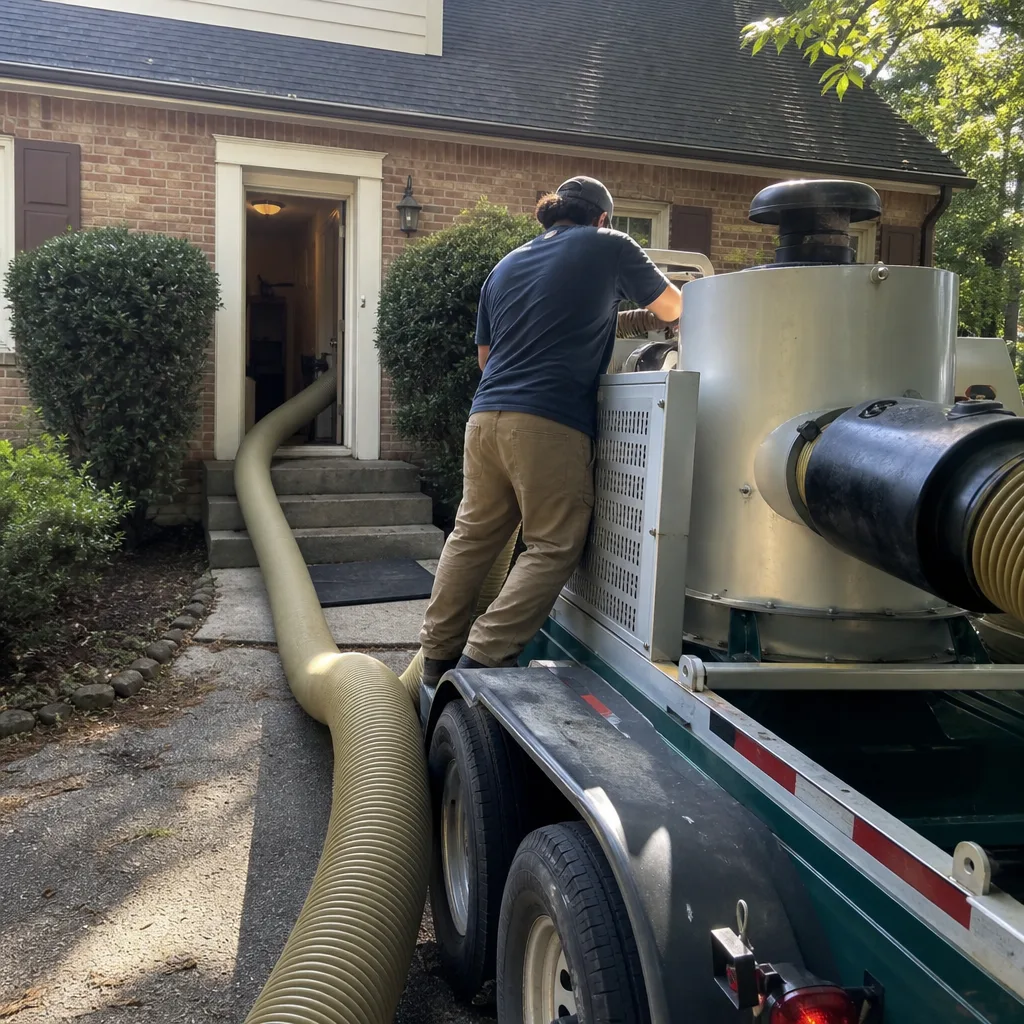
These are large vacuum units mounted in a service van, generating 10,000 to 15,000 CFM of suction. The technician seals each duct run except one, creating negative pressure throughout the system. Agitation tools - rotary brushes, air whips, or skipper balls - knock debris loose while the vacuum pulls it out through a sealed hose to a collection container outside the home.
We use Nikro and Abatement Technologies truck-mount units. The equipment costs $25,000 to $45,000 per van. Fuel, maintenance, and replacement vacuum hoses add ongoing cost. This is why the base price starts where it does.
The result: debris leaves the building entirely. The photo record shows clean metal duct walls after treatment.
Portable Negative-Pressure Units: $250-$400 Typical Job Price
Portable units generate 1,500 to 4,000 CFM - significantly less suction. They’re necessary for high-rise condos or homes with no driveway access, but they’re less effective at maintaining consistent negative pressure across long duct runs. In Johns Creek, we use portables only for townhome units in places like The Preserve at Johns Creek where truck access is impossible.
The price is lower because the equipment costs less and the job typically takes longer per run due to lower extraction power. We adjust our scope accordingly and note the method in writing.
Rotary Brush Portables (No Negative Pressure): $79-$200 Typical Job Price
A Rotobrush portable with a spinning brush head scrubs duct walls and collects debris in a small vacuum chamber. Without sealed negative pressure, dislodged debris escapes into the home during cleaning. The brush head also struggles with rectangular ductwork common in Johns Creek homes built 1985-2005 - it contacts only the bottom surface of a tall, narrow duct.
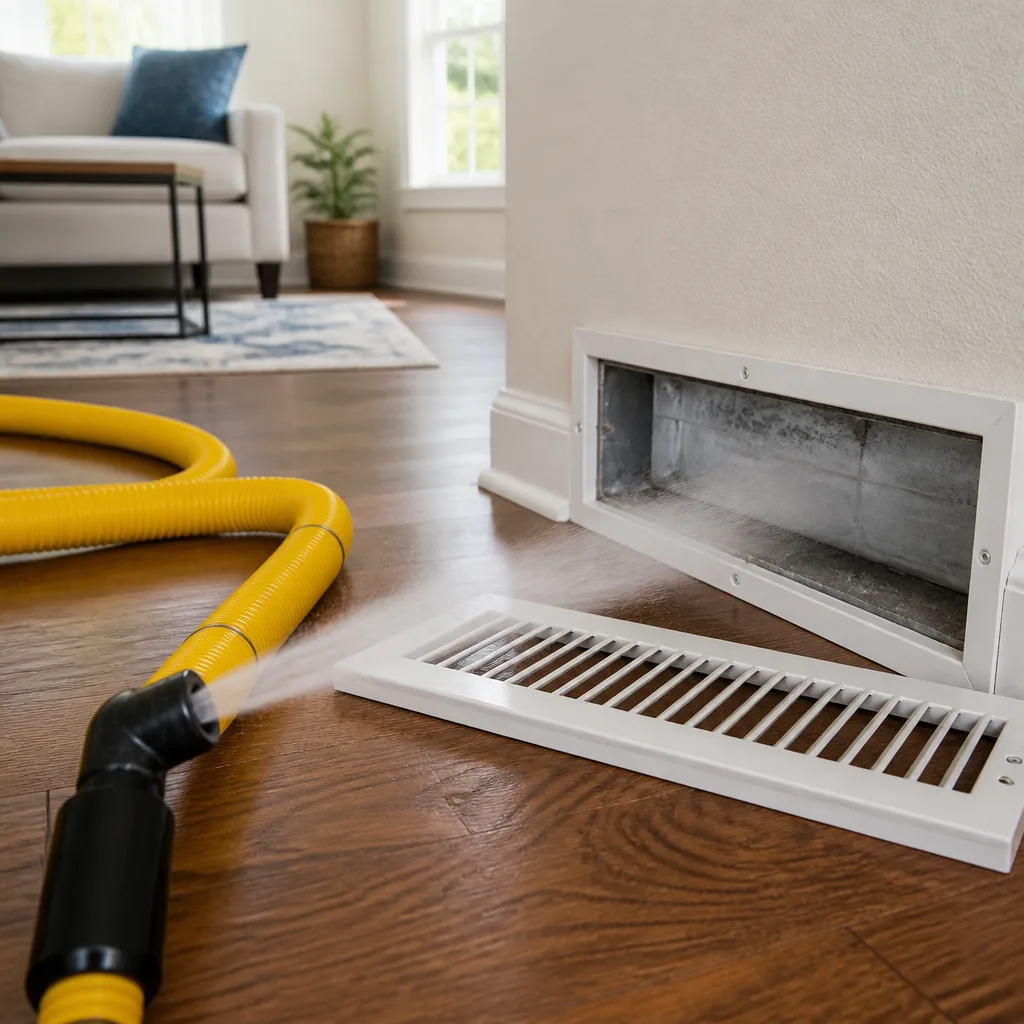
We own Rotobrush equipment and use it for specific applications: dryer vent cleaning, where the run is round and accessible, or spot cleaning of individual registers. We do not use it as primary equipment for whole-system source removal. Any quote under $250 in Johns Creek is almost certainly using this method or a shop-vac equivalent.
Why Method Matters for Your Price
The equipment type determines labor time, disposal requirements, and result quality. A truck-mount job with two technicians takes 3 to 4 hours. A portable rotary job takes 1 to 2 hours. The price difference reflects time, equipment investment, and whether debris actually leaves your home.
Ask any contractor: “What equipment will you use, and will you show me photos from inside the ducts before and after?” If they cannot name the manufacturer or decline photography, you’re not buying source removal.
Add-Ons: Real Value Versus Margin Padding
Some add-ons solve real problems. Others exploit fear. Here’s how to tell the difference in the Johns Creek market.
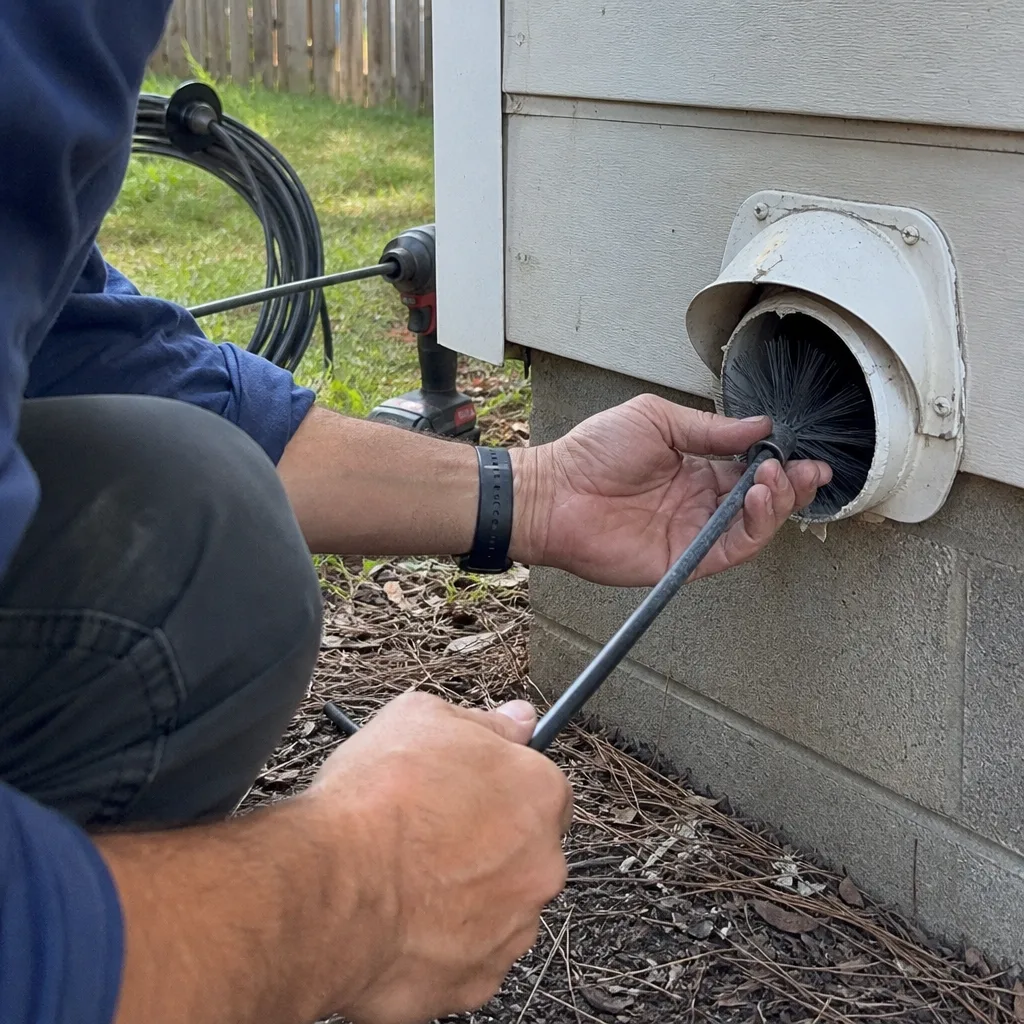
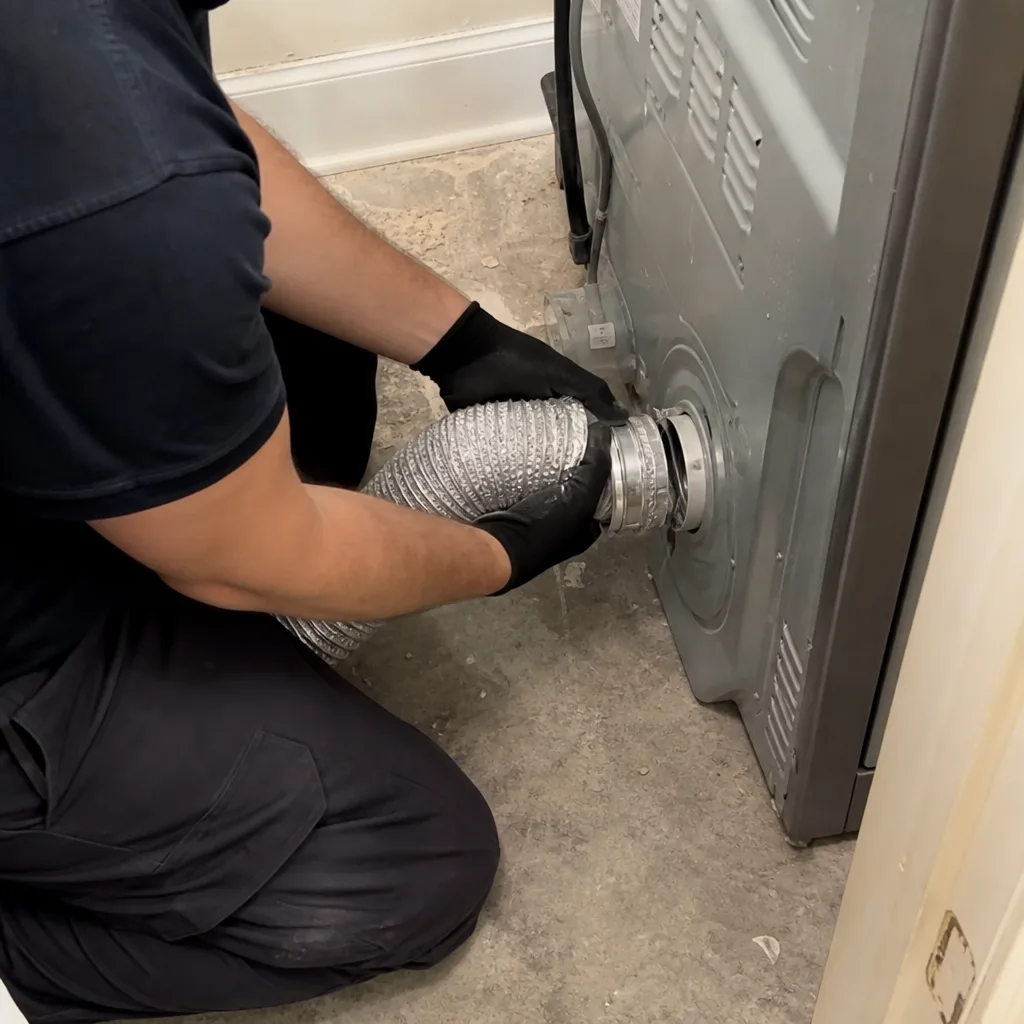
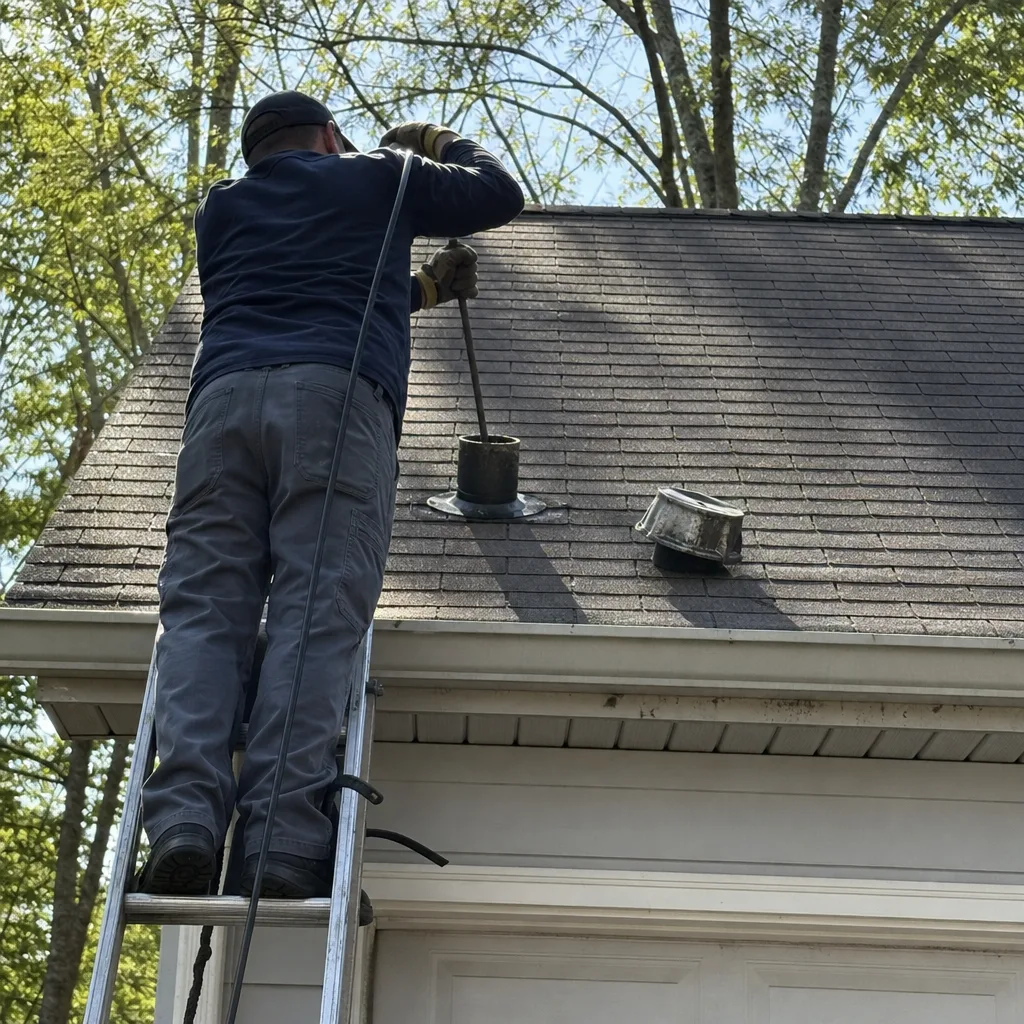
Dryer Vent Cleaning: $120-$180 (Legitimate, Often Necessary)
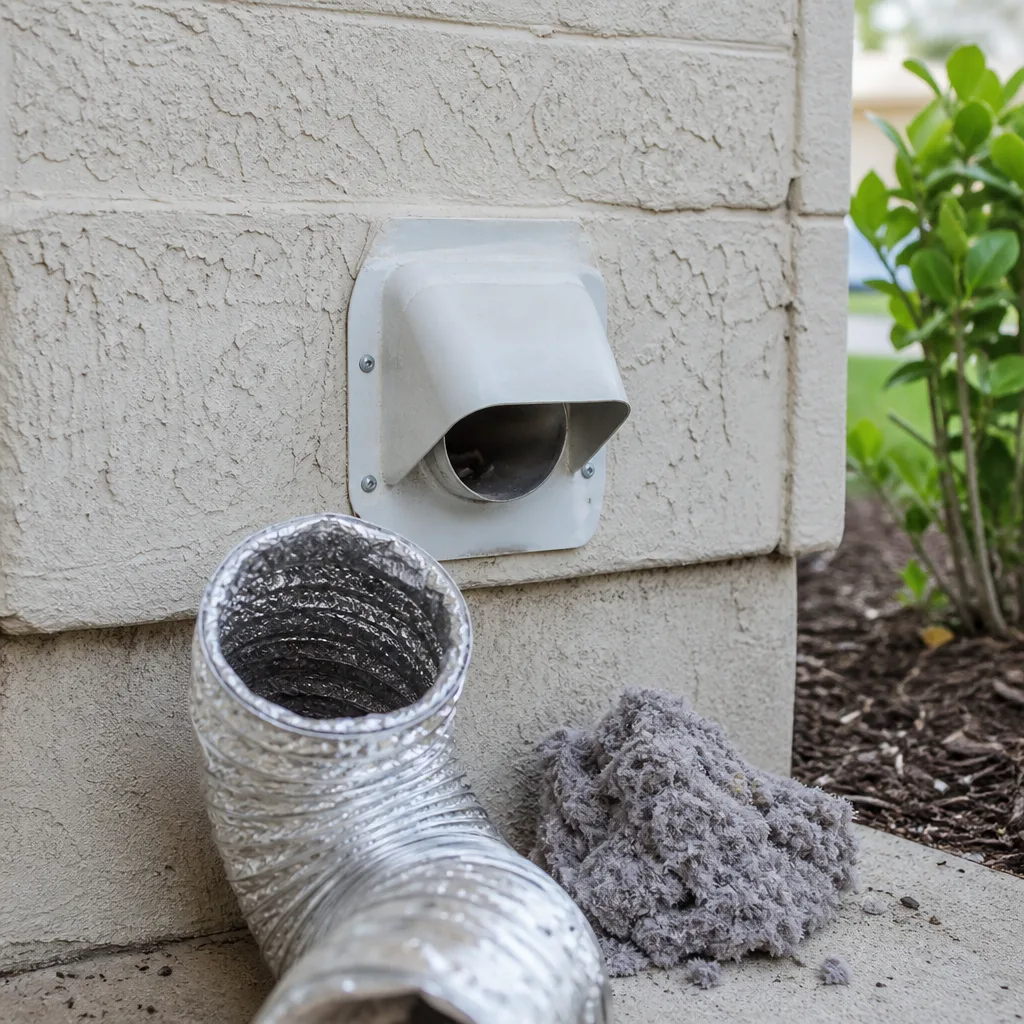
Clothes dryer vents accumulate lint that restricts airflow and creates fire risk. This is separate from HVAC ductwork and requires different equipment. A full dryer vent cleaning runs from the appliance to exterior termination, typically 10 to 25 feet in Johns Creek homes.
We recommend this as a standalone service every 1 to 2 years, or bundled with duct cleaning if the vent hasn’t been cleaned recently. Dryer Vent Cleaning in Johns Creek covers our full scope for this.
Red flag: a contractor who “finds” dangerous lint buildup in a vent that was cleaned last year, or who cannot show you the interior of the vent with a camera.
Mold Treatment / Antimicrobial Application: $150-$400 (Conditional Value)
Real mold growth in ductwork requires moisture, organic material, and time. In Johns Creek, we see it most often in:
- Homes with crawlspace air handlers where condensate drains have leaked
- Properties near the Chattahoochee River with elevated humidity and poor ventilation
- Systems with oversized AC units that short-cycle and don’t dehumidify properly
Before any antimicrobial treatment, we show the customer a photo of visible growth and, when appropriate, recommend third-party lab testing. The EPA does not recommend routine biocide application in ductwork without specific contamination.
Margin padding: treatment proposed without photographic evidence, or “preventive” sanitizing offered on every job regardless of condition. We do not sell preventive biocide application. It’s not part of source removal.
Duct Sealing (Aeroseal or Manual): $800-$2,500 (High Value When Needed)
Leakage in ductwork wastes conditioned air and pulls attic or crawlspace air into the system. We measure leakage with a duct blaster test before recommending sealing. Johns Creek homes built before 2010 often leak 20 to 35 percent of airflow.
This is a legitimate service with measurable results, but it’s not duct cleaning. A contractor who bundles sealing into a “complete package” without testing first is selling, not diagnosing.
UV Light Installation: $300-$600 (Questionable for Most Homes)
UV-C lights in the air handler can inhibit microbial growth on the coil surface. They do not clean ductwork, do not improve airflow, and do not address debris. We install Honeywell and Aprilaire UV systems when a customer specifically requests them, but we do not recommend them as part of routine duct maintenance.
How to Evaluate Any Add-On
- Does the contractor show photographic or measured evidence of the problem?
- Is the add-on priced separately in writing, or folded into a vague “total package”?
- Would solving this problem change something you can verify - airflow, temperature balance, energy bill, or visible condition?
If the answer to any question is no, the add-on is likely margin padding.
How to Read a Written Quote Like a Technician
A proper written quote is a scope document, not a sales pitch. For more guides & resources on evaluating home services, see our blog.
Step 1: Verify the Component List
The quote should specify:
- Number of supply registers to be cleaned
- Number of return registers to be cleaned
- Whether the plenum (main distribution box) is included
- Whether the air handler / blower is included
- Equipment type (truck-mount negative pressure, portable, or other)
A quote that says “complete duct cleaning” without listing these components is incomplete. We specify every element in writing under Haven Standard Clause 1.
Step 2: Check for Exclusions
Some quotes achieve low prices by excluding returns, excluding the plenum, or limiting the number of runs. Read the fine print. A “whole house” quote that covers “up to 8 vents” excludes most Johns Creek homes.
Step 3: Confirm Documentation Deliverables
The quote should state what you receive after the job:
- Before-and-after photos of each duct run
- Written scope completion checklist
- Warranty or guarantee terms in writing
Our 365-Day Done Right Promise is printed on every invoice. The Documented Photo Record is delivered before the crew leaves. If a contractor promises these verbally but won’t put them in the quote, they won’t appear after the job.
Step 4: Compare Price Per Component, Not Total Price
A $400 quote for 8 runs and no returns is $50 per run. A $520 quote for 14 runs including returns and air handler is $37 per run with more components cleaned. The higher total is often the better value.
Step 5: Ask About the Guarantee
What happens if you’re not satisfied? The answer should be specific, not “we stand behind our work.” Our 365-Day Done Right Promise means we return and correct any deficiency in the agreed scope, at no charge, for a full year. It’s in writing on every job.
We also offer a Free Second Opinion on any written estimate. Bring a competitor’s quote; we’ll itemize our equivalent scope in writing so you can compare line by line.
Johns Creek-Specific Factors That Move Price
Several local conditions affect what duct cleaning costs and what it should accomplish in this market.
Climate and Seasonal Load
Johns Creek’s humid subtropical climate means air conditioners run 6 to 7 months annually. High humidity drives condensation in ductwork, especially in unconditioned attics and crawlspaces. We see more microbial staining in summer inspections than winter ones. This doesn’t automatically mean mold treatment is needed, but it means the photo record matters more - you need to see whether discoloration is active growth or settled dust.
Construction Era and Duct Materials
Homes built 1985-2005 in neighborhoods like St. Ives and Rivermont often have galvanized steel ductwork with fiberglass liner. The liner traps debris and can degrade, releasing particles. Cleaning these requires gentler agitation to avoid damaging the liner. We adjust our brush speed and air pressure accordingly, which adds time.
Newer homes in Parsons Run and Bellmont typically use flex duct - corrugated plastic with fiberglass insulation. Flex duct is harder to clean thoroughly without damaging the inner liner. We use lower-pressure extraction and shorter agitation cycles, sometimes accepting that heavily contaminated flex duct needs replacement rather than cleaning.
Local Code and Permit Context
Johns Creek follows Georgia state mechanical code, with no additional local permit requirement for duct cleaning. However, duct modifications - replacing runs, resizing returns, or adding zones - require permit and inspection. We hold appropriate state licensure and carry documentation on every van. If a contractor proposes “minor duct modifications” without mentioning permits, that’s a red flag.
Neighborhood Density and Access
Gated communities like Country Club of the South and The River Club require vendor registration and sometimes restrict service vehicle hours. We build this into scheduling but not pricing. Townhome clusters with limited parking may require portable equipment, which we note in the written scope and price accordingly.
Local Competition and Price Anchoring
The Johns Creek market has multiple national franchise operations and independent operators. Franchise locations often advertise low entry prices with aggressive upsell protocols. Independent operators vary widely in equipment and documentation standards. The $79-to-$550 price range reflects this variation in business model, not variation in the underlying service.
Common Mistakes to Avoid
- Comparing total prices without comparing scopes. A $300 quote and a $500 quote are not comparable until you verify what’s included. We regularly see Johns Creek homeowners choose the lower price and later discover returns, plenum, or photo documentation were excluded.
- Accepting verbal promises about equipment or methods. “We use professional equipment” means nothing. Ask for the manufacturer and model. Ask to see the photo record from a recent job. CleanRun technicians carry sample before-and-after documentation on their tablets.
- Scheduling based on coupon expiration. Urgency theatre - “48-hour special” or “this week only” - is designed to prevent comparison shopping. A legitimate duct cleaning company in Johns Creek will quote you the same price next month. We have no seasonal pricing.
- Assuming all ductwork can be cleaned. Severely degraded flex duct, collapsed runs, or asbestos-containing transite duct (rare, but found in pre-1980 homes near the historic Johns Creek area) cannot be safely cleaned. We photograph and report these conditions rather than proceed with inappropriate service.
- Ignoring the air handler. Cleaning ducts without addressing a clogged blower wheel or contaminated coil is incomplete. The air handler recirculates air continuously. We note its condition in every photo record and quote cleaning separately so you can decide.
- Paying for “preventive” treatments without evidence. Biocide, sealant, or ozone treatments proposed without documented contamination are unnecessary. The EPA and NADCA agree: routine application of chemical treatments in ductwork is not recommended.
- Not requesting the photo record before paying. If a contractor claims the work is done but cannot show you inside the ducts, you have no verification. Our Documented Photo Record is delivered before invoice; payment is not collected until the customer has reviewed the documentation.
When to Call a Professional
Call for an inspection and written estimate when you notice visible dust emission from registers, uneven heating or cooling between rooms, or musty odors when the system runs. These symptoms indicate duct conditions that affect air quality and system efficiency.
Also call before major HVAC work. If you’re replacing a furnace or air conditioner in Johns Creek, the ductwork should be inspected and cleaned before connecting new equipment. Blowing debris from old ducts into a new compressor voids some manufacturer warranties.
CleanRun Air Duct Cleaning Johns Creek offers free estimates in Johns Creek - call (470) 326-1926. Every estimate includes a written scope and price before we leave your home, under Haven Standard Clause 1. We also provide a Free Second Opinion on any written estimate from another contractor.
Frequently Asked Questions
Complete source-removal duct cleaning for a typical Johns Creek home costs $350 to $550 in 2026. This covers 10 to 14 duct runs with negative-pressure truck-mount equipment, supply and return treatment, and a documented photo record. Prices below $300 typically exclude returns, the plenum, or photographic verification. Call (470) 326-1926 for an exact quote - estimates are free.
Low quotes use different equipment, shorter time on site, and narrower scope. A $79 service covers register vacuuming and light surface cleaning in 45 minutes. A $450 service covers 3 to 4 hours of negative-pressure extraction through every duct run with photo verification. The same words describe different physical work. Always request a written component list to compare accurately.
Demand a documented photo record showing the interior of each duct run before and after cleaning. At CleanRun, this is standard on every job, delivered before payment is collected. If a contractor cannot or will not provide interior photos, you cannot verify the work. Written descriptions and verbal assurances are not substitutes for visual documentation.
Every 3 to 5 years for most Johns Creek homes, or after any renovation that generates construction dust. Homes with pets that shed heavily, residents with severe allergies, or recent water intrusion may need more frequent service. We date-stamp our photo records so customers can track accumulation over time and schedule based on actual condition rather than calendar.
No. Discoloration can be dust staining, rust, or degraded fiberglass liner - not active mold growth. We photograph any suspicious area and, when appropriate, recommend independent lab testing before proposing treatment. The EPA does not support routine biocide application in ductwork. Antimicrobial treatment should follow confirmed contamination, not visual guesswork.
Duct cleaning addresses the distribution network - supply and return runs, plenum, and registers. HVAC Cleaning in Johns Creek includes the air handler components: blower wheel, evaporator coil, drain pan, and cabinet. The services overlap at the plenum connection but address different parts of the system. We quote them separately so you choose based on condition and budget.
The Bottom Line
Air duct cleaning prices in Johns Creek range from $79 to $550 because they describe fundamentally different services using identical terminology. The $79 price buys 45 minutes of surface work with portable equipment. The $450 price buys 3 to 4 hours of source removal with truck-mount negative pressure, photo documentation of every run, and a written guarantee.
The way to evaluate any quote is to reverse-engineer the scope: count the components, verify the equipment, confirm the documentation, and read the guarantee. A written price before work starts protects you from the upsell pattern that defines the low end of this market.
Since 2013, CleanRun has served 52,000+ homes with one flat price per system agreed before work starts, every time. No per-vent pricing. No post-arrival add-ons. Just documented results you can see.
Call (470) 326-1926 for a free estimate in Johns Creek, or bring us any written competitor quote for a Free Second Opinion under the H.A.V.E.N. Standard.
Written by Tomas Reyes, Owner at CleanRun Air Duct Cleaning Johns Creek, serving Johns Creek since 2013.