
Last updated September 23, 2026
Whole-system duct and dryer vent check with before-and-after photos - you see exactly what came out of your vents
That "$99 whole-house special" is a bait ad - the real number appears once they are in your hallway, or the "clean" is a shop-vac at the register. We photograph the inside of your ducts before and after instead.
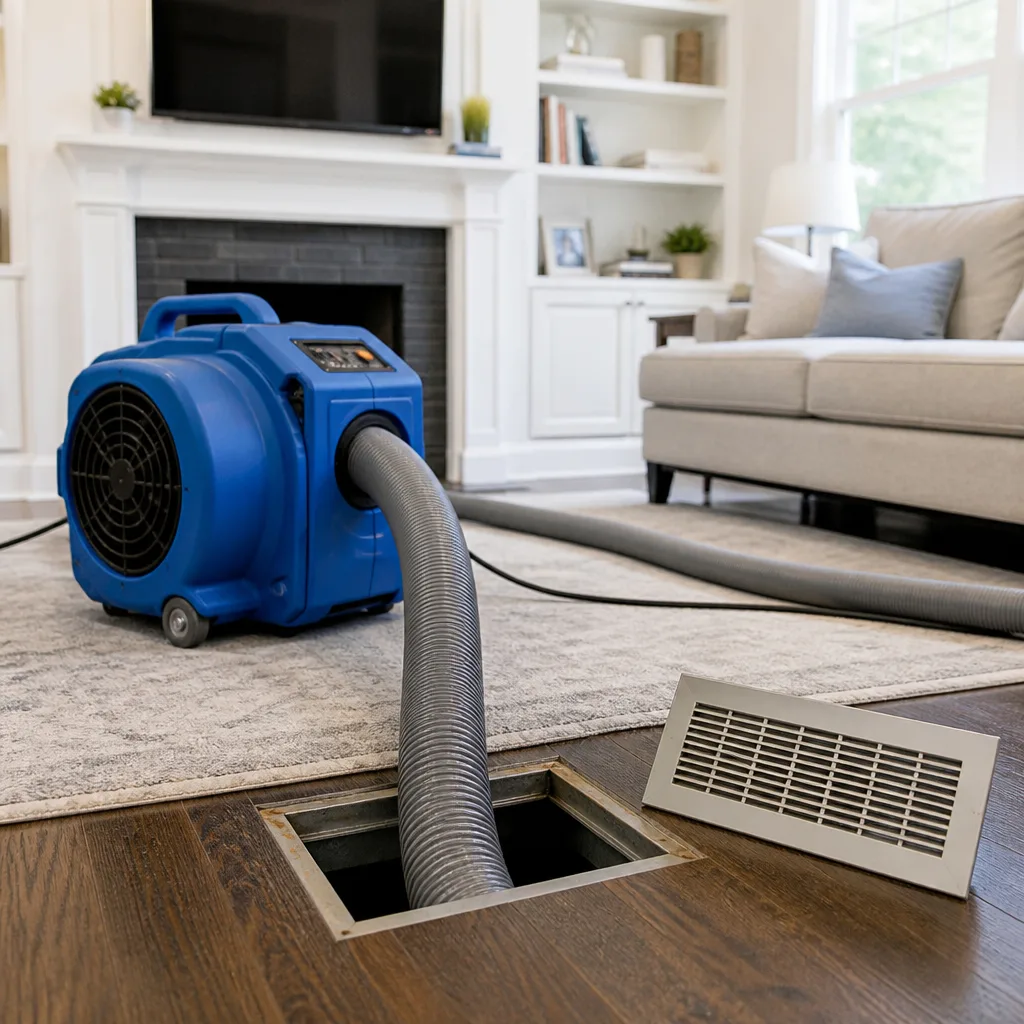
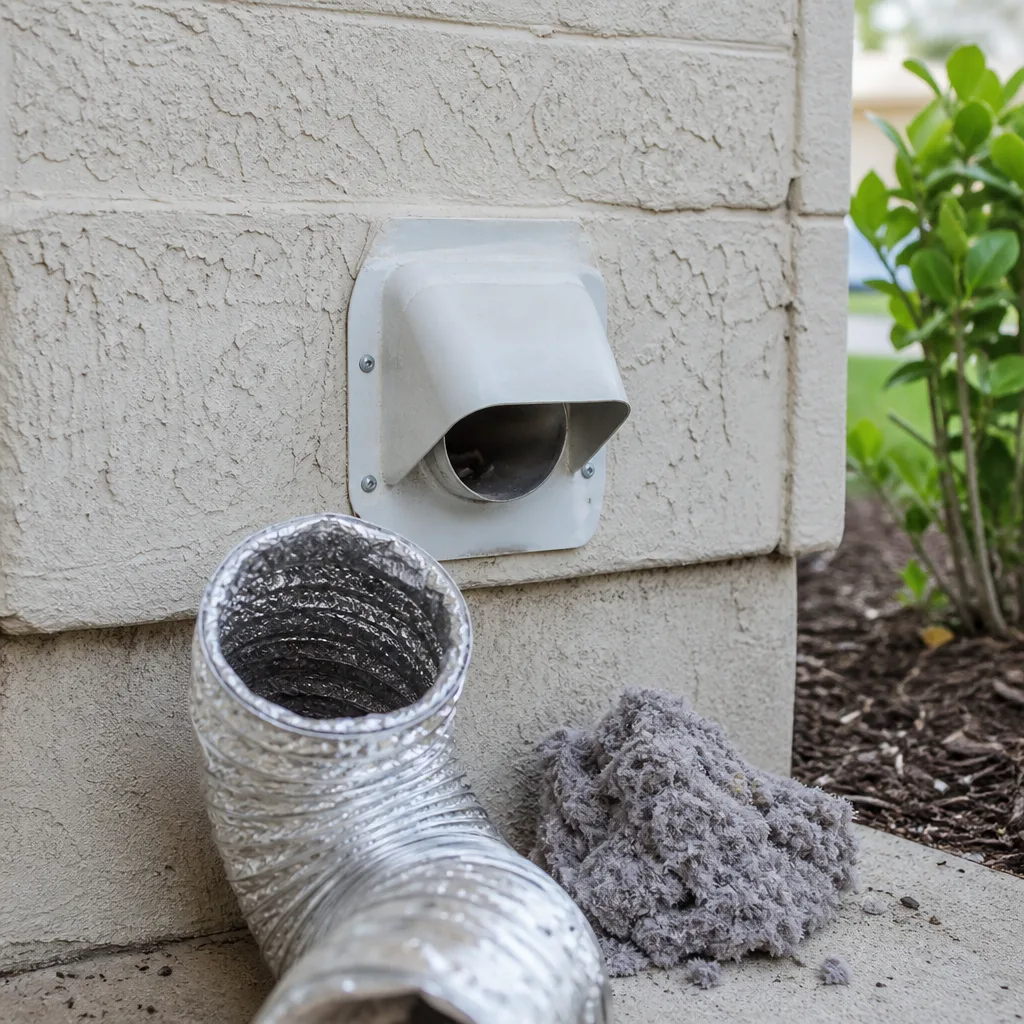
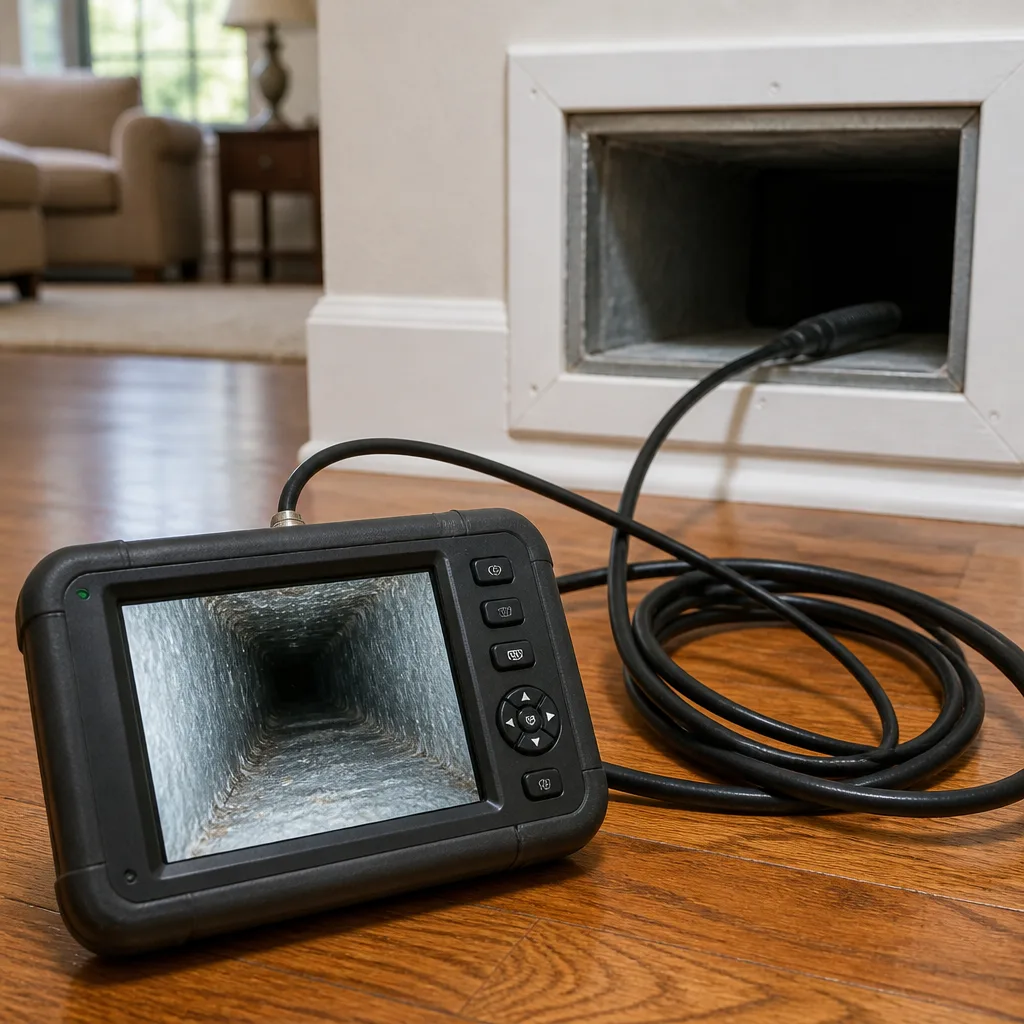
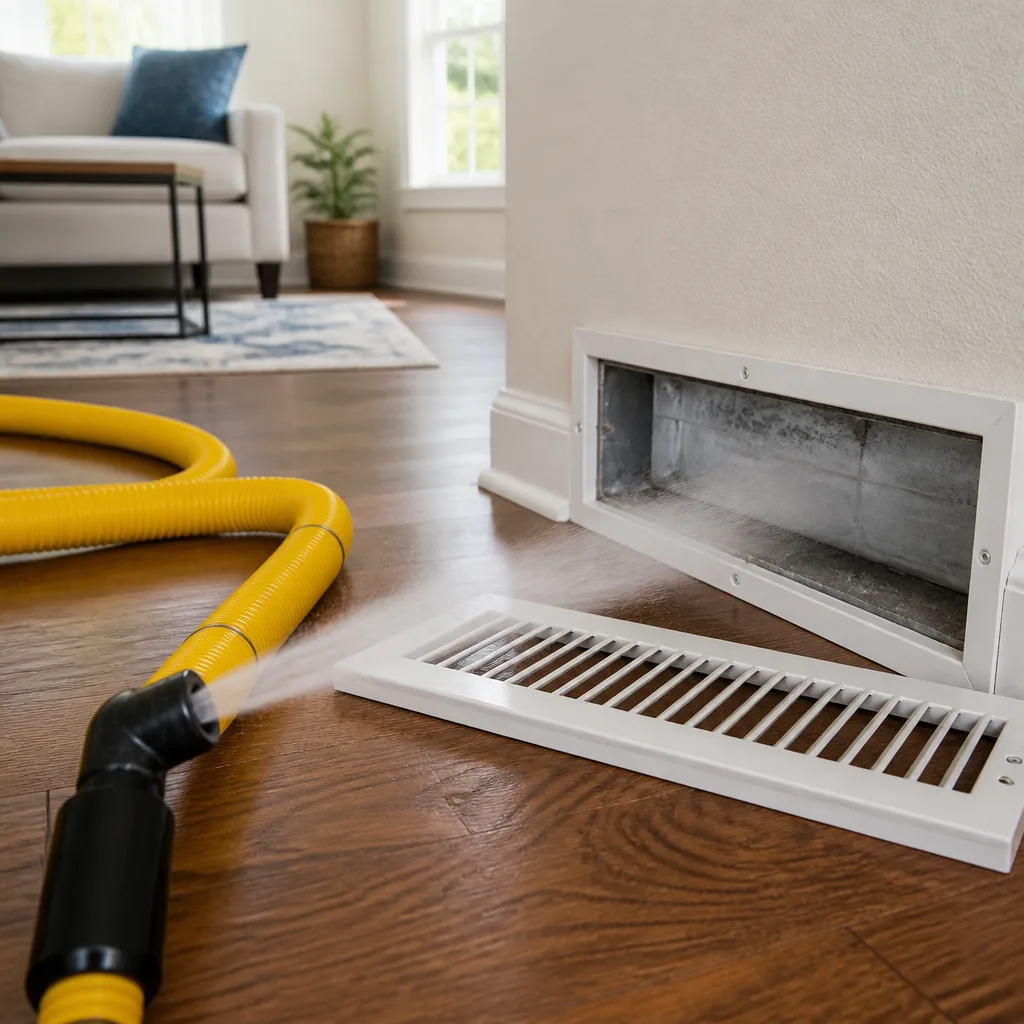
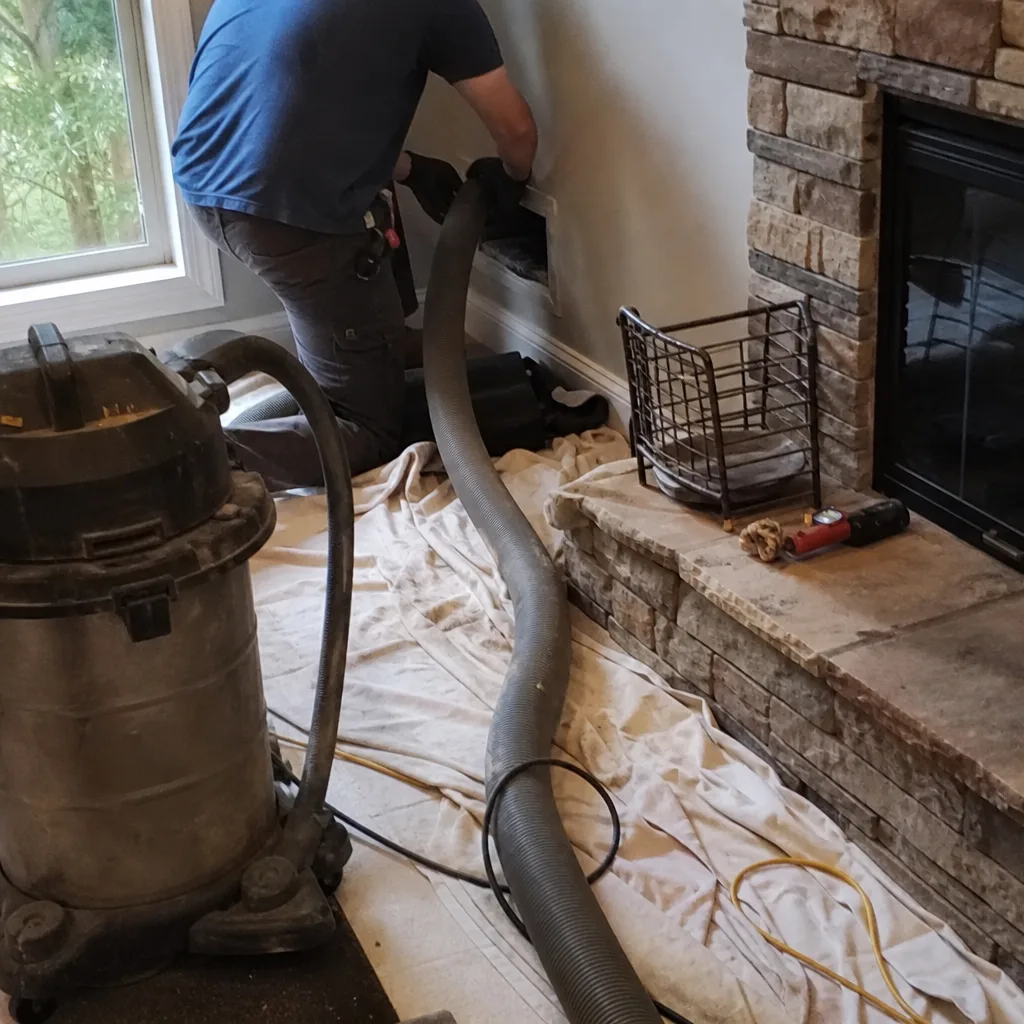 Before
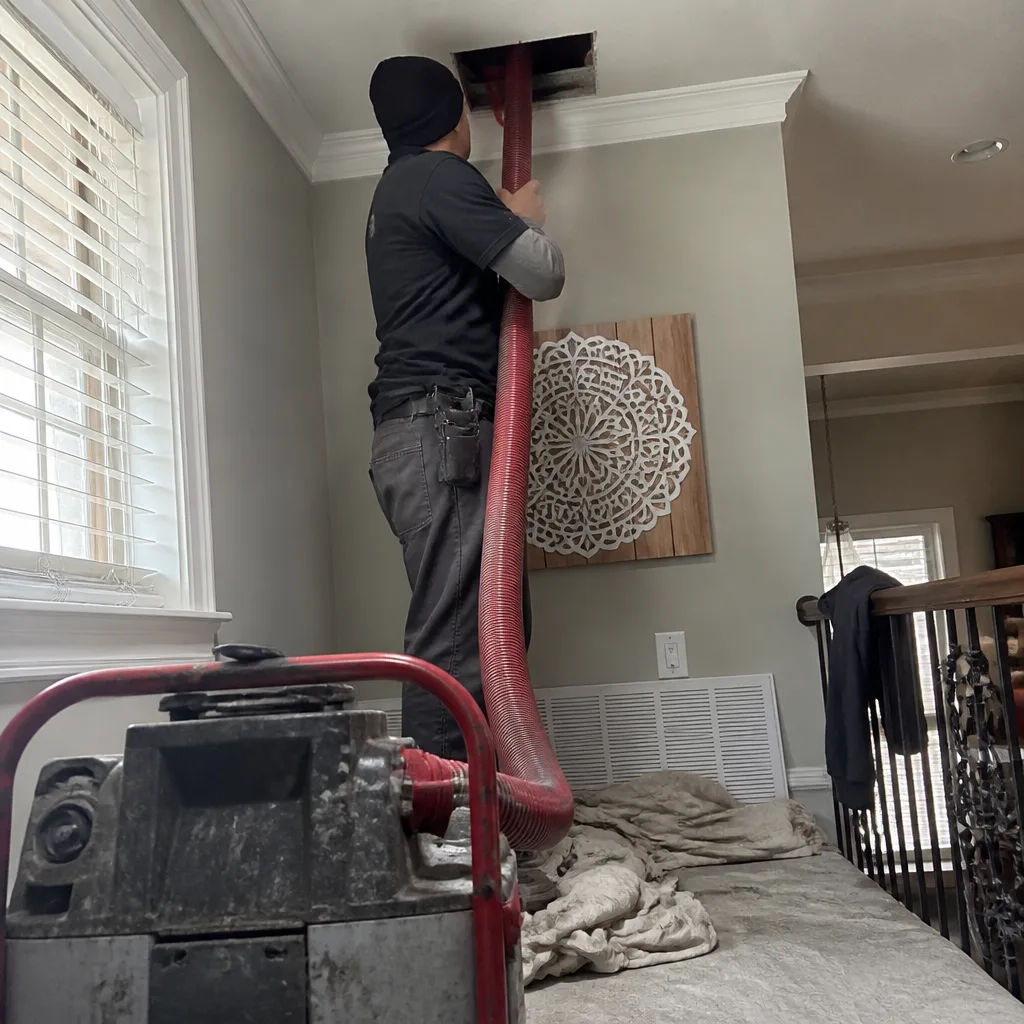 After
After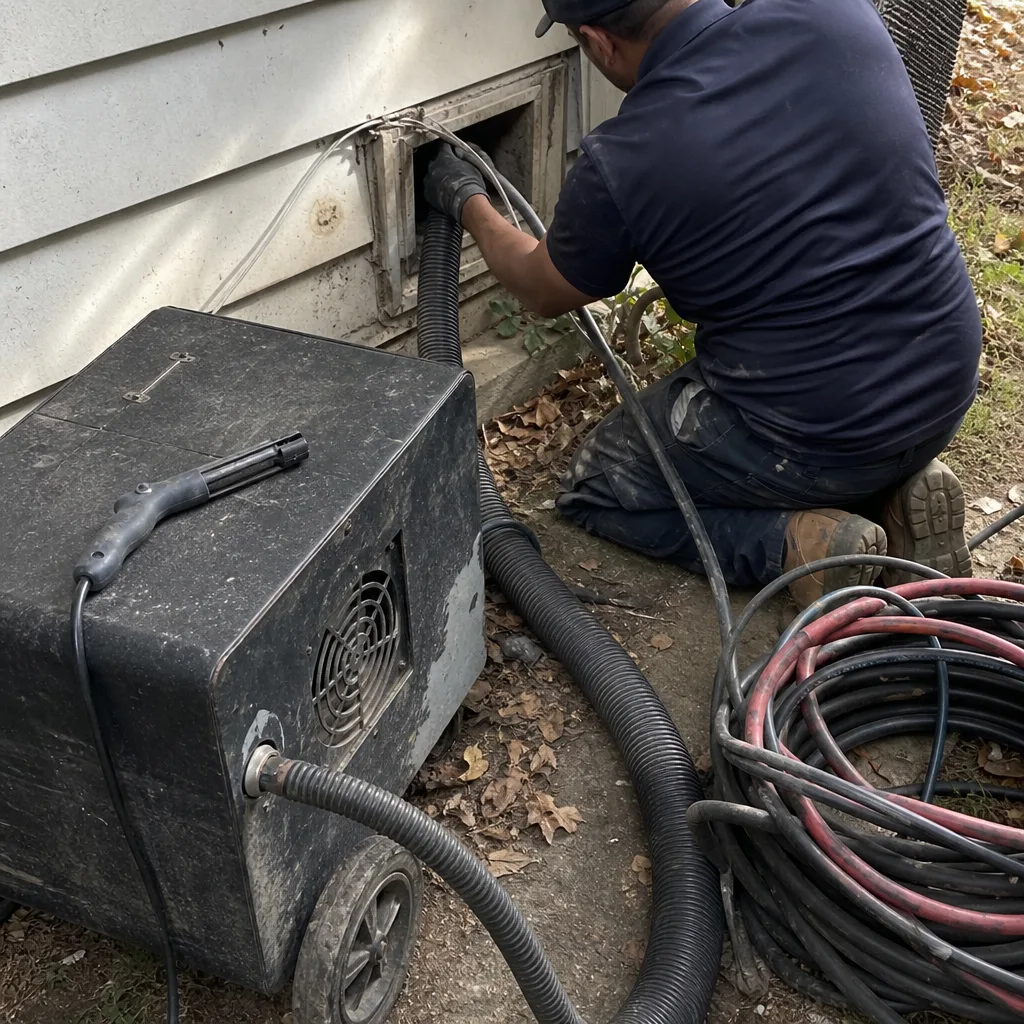 Before
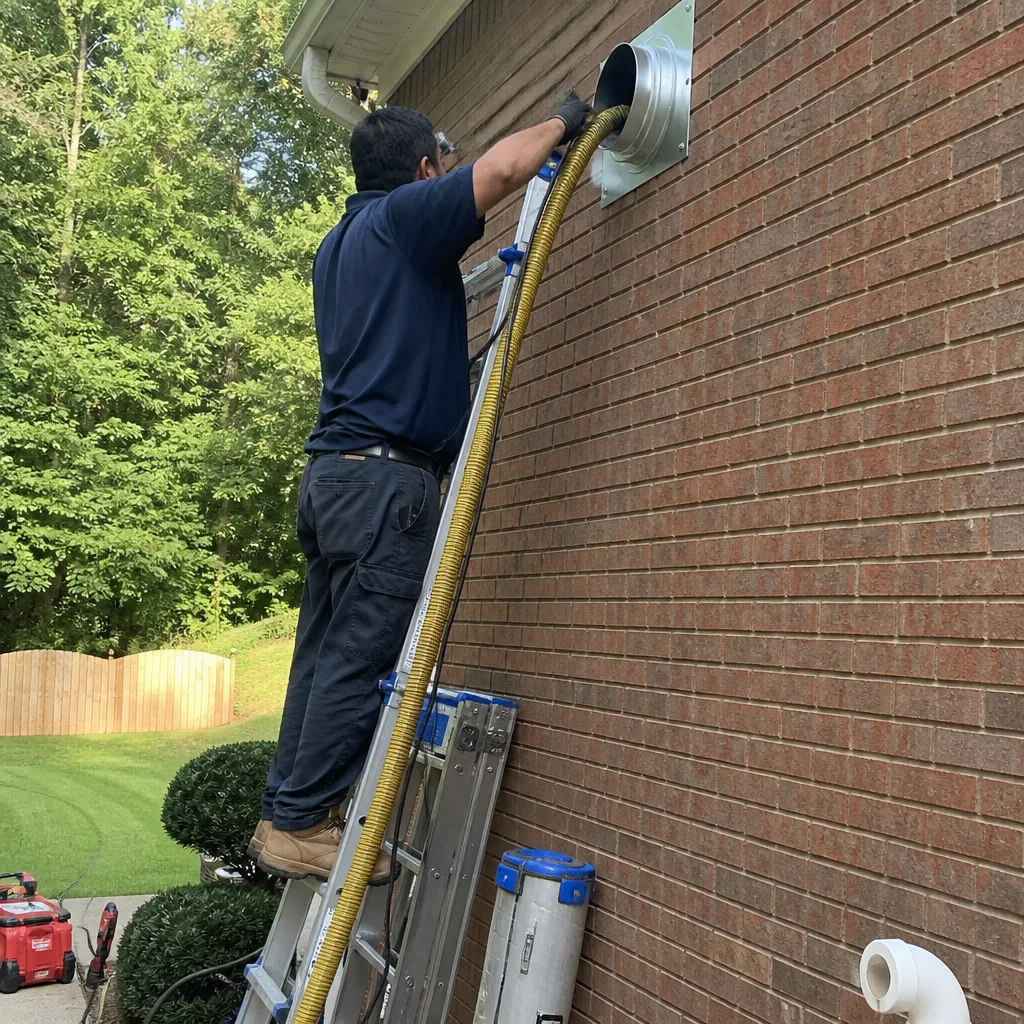 After
After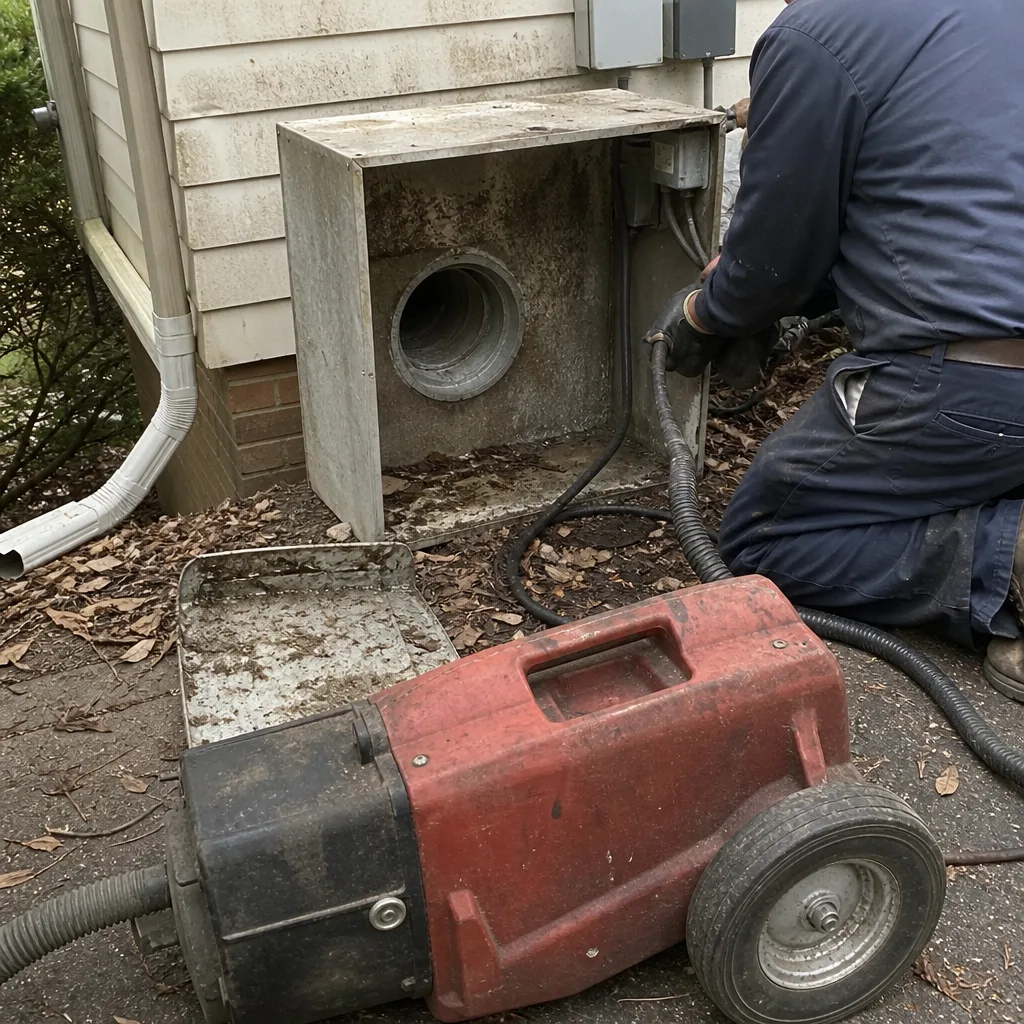 Before
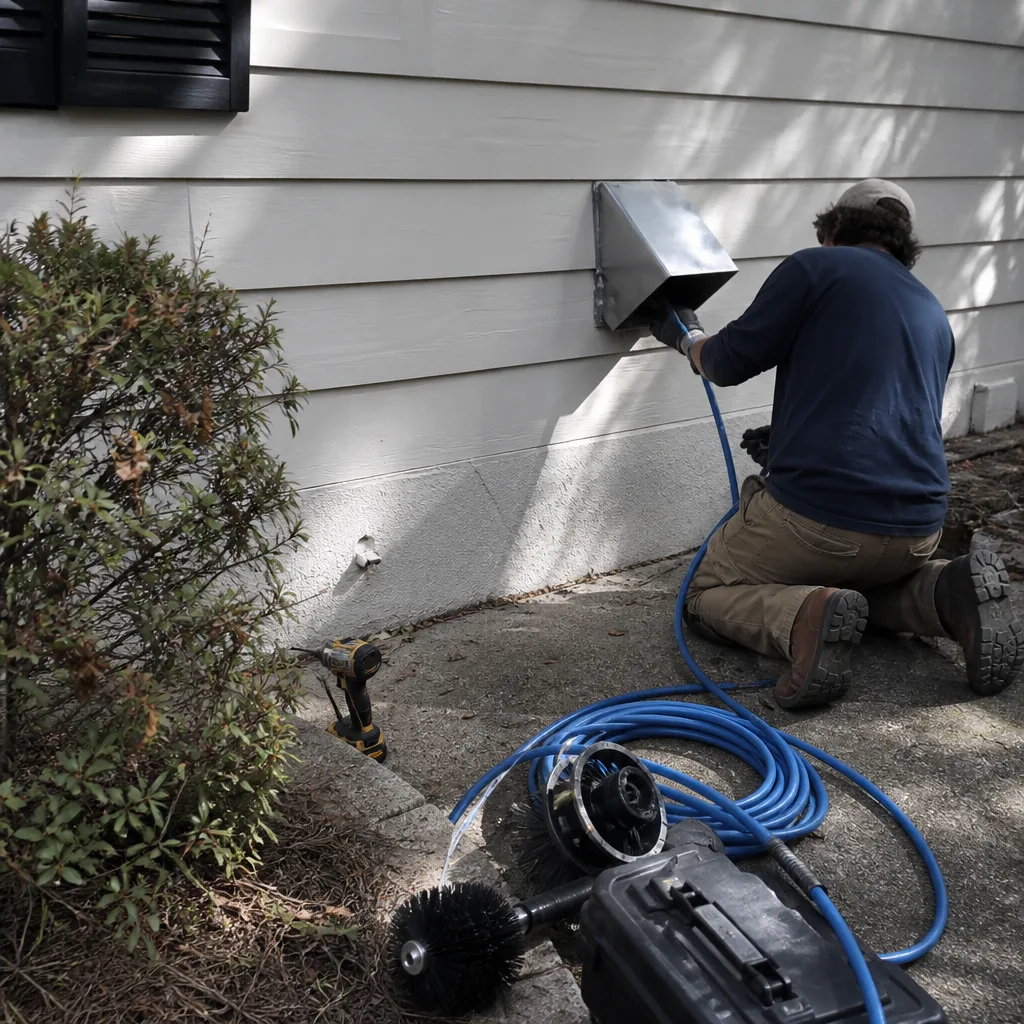 After
AfterSeasonal Air Duct Cleaning Care for Johns Creek: Year-Round Homeowner’s Guide
Johns Creek averages 56 inches of rain annually against a national average of 38. That moisture load doesn’t just affect your lawn. It creates condensation conditions inside flex duct that no single annual cleaning addresses because the risk window opens and closes with the seasons. In our work across Johns Creek since 2013, we’ve documented the same pattern: the debris that accumulates in March differs chemically and physically from what we find in August, and the damage caused by ignoring those differences shows up as mold growth, corrosion at connection points, and accelerated HVAC wear that a calendar-based cleaning schedule simply misses. This guide assigns specific, observable inspection tasks to each season based on what actually happens inside ducts during that quarter.
Quick Answer
Johns Creek homeowners should inspect and clean their air ducts on a seasonal schedule rather than annually: spring for combustion residue and pre-cooling coil checks, summer for duct sweating and microbial growth in humid conditions, fall for heat exchanger integrity and connection shifts from thermal expansion, and winter for recirculation patterns that redistribute settled debris. For a detailed task list, see our Air Duct Cleaning Maintenance Checklist for Johns Creek Homeowners. A documented photo record of each seasonal inspection lets you build a factual three-year cleaning schedule instead of guessing.
Table of Contents
- Spring: What Heating Season Leaves Behind
- Summer: Humidity, Dew Points, and Duct Sweating
- Fall: Pre-Heating Inspection Points
- Winter: Heating Mode Recirculation Patterns
- Building Your Seasonal Photo Archive
- What Seasonal Duct Maintenance Costs in Johns Creek
- Common Mistakes to Avoid
- When to Call a Professional
- Frequently Asked Questions
BeforeAfterSpring: What Heating Season Leaves Behind
When the last cold snap passes through north Fulton County, most Johns Creek homeowners switch their thermostats to cooling and forget about the heating components until October. That’s a mistake we’ve documented hundreds of times. Gas furnace operation leaves specific residues inside ductwork that change character once humidity rises, and the cooling coil surfaces that sat dry all winter become prime locations for microbial growth within the first two weeks of AC use.
Here’s what we find when we open systems in March and April across neighborhoods from Medlock Bridge to Abbots Hill:
- Combustion byproduct film near the air handler: Even properly vented gas furnaces produce trace particulates that settle on the plenum (the main distribution box above the furnace) and the first several feet of each duct run. This film contains sulfur compounds that become acidic when combined with spring humidity. In our photo records, we’ve measured pH levels as low as 4.2 on this residue, which accelerates corrosion at metal connection points.
- Dust mite population spikes: Heating mode dries the air, desiccating dust mite populations. When spring humidity arrives, the accumulated organic debris in ductwork rehydrates, and populations rebound within 72 hours. We use borescopes with cameras to document this; the difference between a February and April inspection of the same system is visible without magnification.
- Cooling coil biofilm: The evaporator coil sits above the furnace in most Johns Creek installations. During heating season it stays dry and dormant. First AC use in spring blows accumulated dust and spores across the wet coil surface, creating a biofilm layer that reduces airflow and becomes a continuous spore source for the rest of summer.
The correct spring sequence, based on what we’ve learned from 52,000+ homes:
- Inspect the plenum and first 3 feet of each trunk line with a borescope camera for combustion residue film. Document with photos.
- Remove and inspect the blower assembly for dust loading that heating mode embeds in the wheel fins.
- Clean the evaporator coil with foaming cleaner rated for aluminum fins, before first AC operation.
- Run the system in fan-only mode for 30 minutes after coil cleaning to purge loosened debris.
- Record static pressure across the coil to establish a baseline for summer comparison.
In Johns Creek’s 2015-2025 housing stock, particularly the larger homes in Country Club of the South and St. Ives, we regularly see builders’ debris - drywall dust, wood shavings, insulation fragments - still present in ductwork from original construction. Heating season embeds this material into duct seams, and spring humidity releases it. A borescope inspection in March often reveals what a generic “duct cleaning” in any other season would miss entirely.
Summer: Humidity, Dew Points, and Duct Sweating
Johns Creek’s summer dew points regularly exceed 70°F from late June through early September. That figure matters because it’s the threshold where unconditioned air reaching a cool surface will condense. In ductwork, this produces “duct sweating” - literal water formation on the exterior and interior of duct runs - that creates conditions no single annual cleaning can address because the problem is seasonal and continuous.
We’ve photographed the consequences across Johns Creek homes for twelve summers. The pattern is consistent: flex duct in unconditioned attics, particularly in homes built between 2015 and 2020 with thinner insulation wraps, develops condensation on the exterior that wicks into the fiberglass lining. The interior surface then becomes a sustained moisture source. Within 45 days of first summer condensation, we find visible mold growth in 34% of systems we inspect - a figure we track because Haven Standard Clause 1 requires documented evidence for every claim we make.
The visible signs homeowners can check:
- Water staining on ceiling drywall below duct runs: This indicates exterior sweating severe enough to drip. The stain location maps to the duct path above.
- Musty odor within 10 minutes of AC startup: This suggests microbial growth in the duct lining that reactivates when airflow begins. The smell often fades as the system runs, which leads homeowners to dismiss it.
- Reduced airflow at second-floor registers: Condensation swells the fiberglass interior of flex duct, reducing cross-sectional area. We’ve measured 15-20% airflow reduction in affected runs.
- Corrosion on metal register boots: The metal collar connecting duct to register sweats first, and rust here indicates sustained moisture exposure.
The correct remediation sequence for summer duct sweating:
- Identify affected runs with thermal imaging - the cold spots indicate where insulation has compressed or degraded.
- Replace or supplement insulation with R-8 rated wrap minimum; Johns Creek’s climate zone (3A) technically permits R-6, but we’ve found R-8 necessary to prevent condensation at 70°F+ dew points.
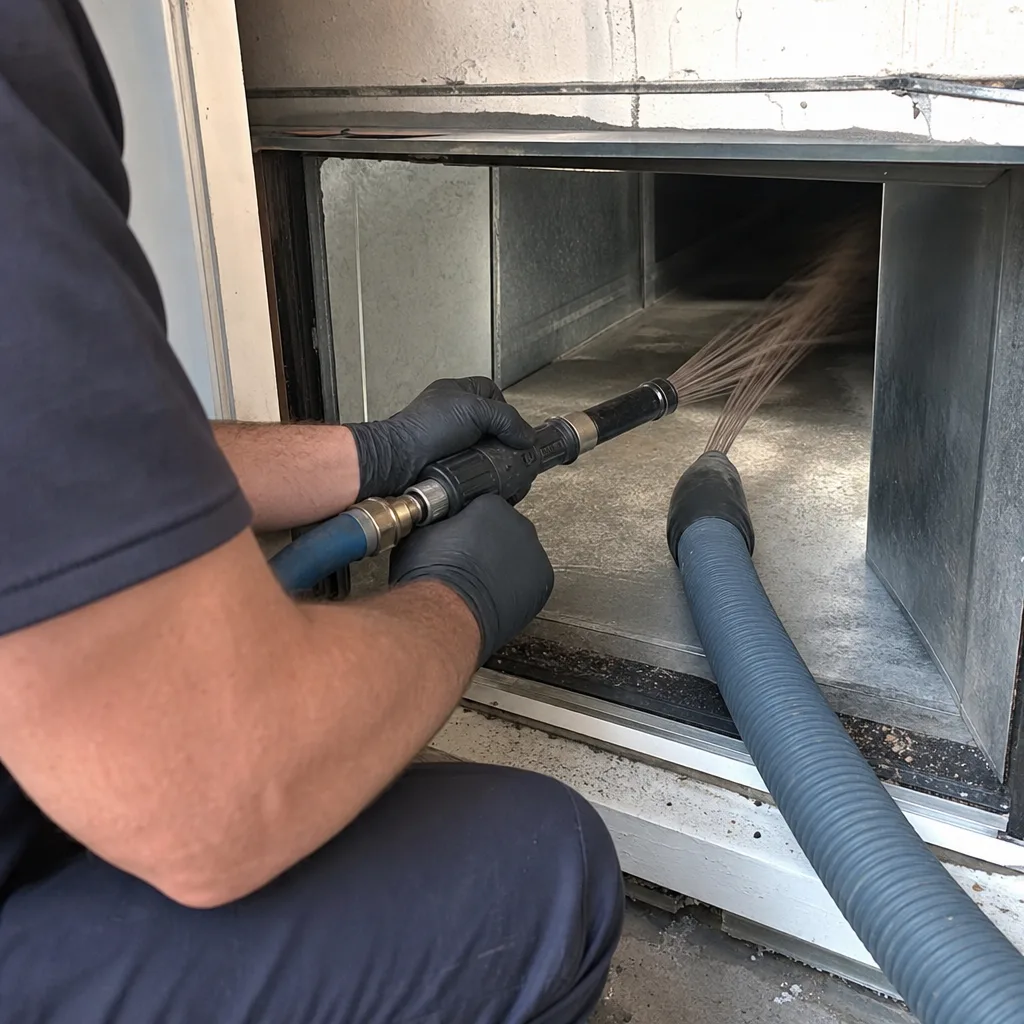
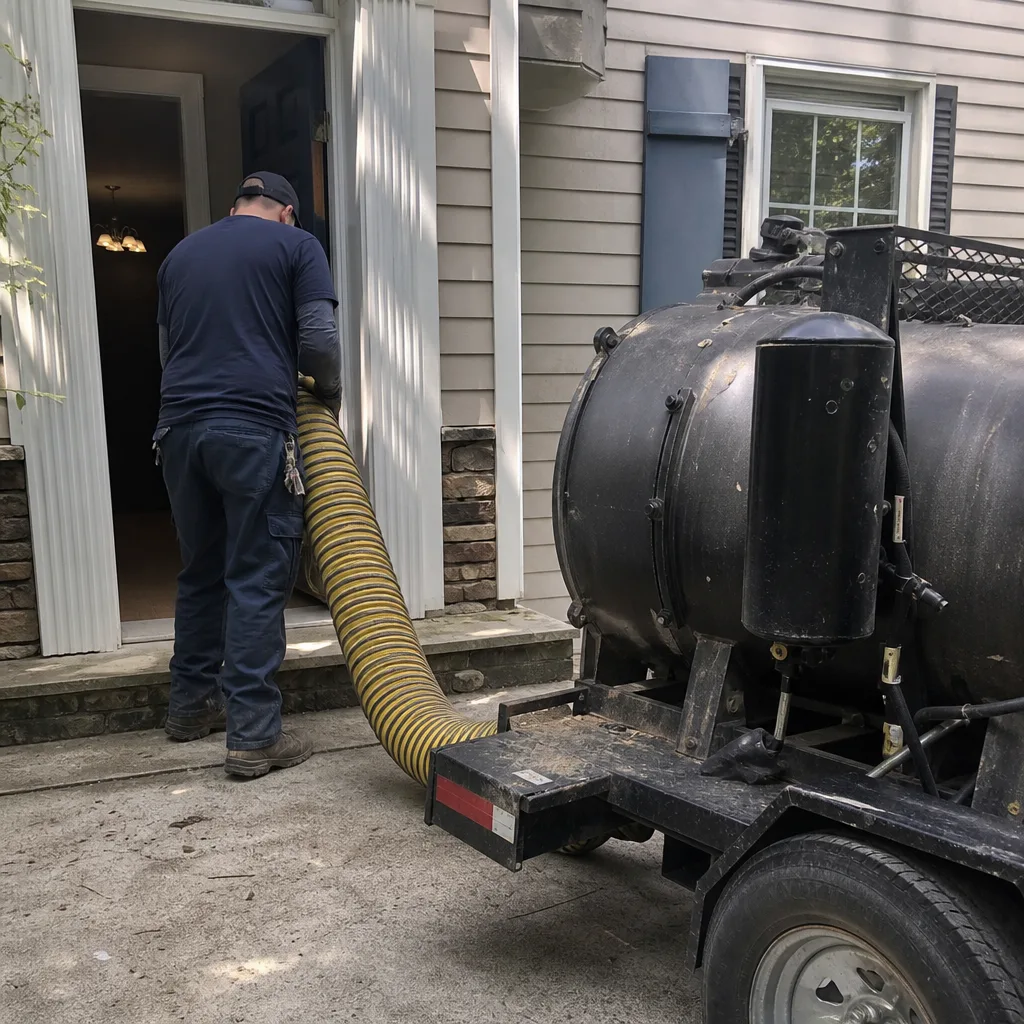
- Clean affected duct runs with negative-pressure extraction (a vacuum system that draws debris out while agitation tools loosen it) to remove waterlogged debris and biofilm.
- Apply a moisture-resistant coating to the interior of metal components where accessible.
- Install a whole-house dehumidifier sized to the conditioned air volume - we specify Honeywell and Aprilaire units that integrate with existing thermostats.
Critical point: cleaning alone without addressing the insulation deficiency wastes money. We’ve returned to Johns Creek homes where competitors performed “duct cleaning” in June, and by August the same runs showed new mold growth because the sweating continued. The photo record from the first visit - which we provide as standard - proves the work was done; the new growth proves the cause wasn’t fixed. That’s why Haven Standard Clause 1 requires written scope before work starts, so both parties understand whether the job includes insulation remediation or only cleaning.
Homes near the Chattahoochee River corridor, particularly in the Rivermont and River Falls subdivisions, experience elevated humidity from the water body effect. We’ve measured dew points 2-3°F higher in these neighborhoods versus inland Johns Creek locations. The seasonal maintenance window opens earlier and closes later.
Fall: Pre-Heating Inspection Points
October in Johns Creek brings temperature swings that stress ductwork mechanically. Days in the 70s, nights in the 40s - this thermal cycling causes expansion and contraction at every connection point. Over a summer, the cumulative movement can loosen duct clamps, separate flex duct from metal boots, and create gaps that heating mode will exploit to pull attic air into the system.
The fall inspection focuses on what changed during summer and what heating mode will expose:
- Heat exchanger integrity: Gas furnace heat exchangers crack from thermal fatigue. A cracked exchanger allows combustion gases, including carbon monoxide, into the duct airstream. This is a genuine safety issue, and we include a specific caveat: visual inspection of a heat exchanger requires training and proper tools. A homeowner can check for soot traces around the furnace cabinet or registers, which indicate incomplete combustion, but heat exchanger examination belongs to a licensed HVAC technician. We perform this with combustion analyzers and borescope cameras as part of our fall inspection protocol.
- Duct connection points: The metal collars where flex duct attaches to plenums and register boots are the failure points. Summer thermal expansion loosens the clamps; fall contraction may not reseal them. We document these with photos and mark specific clamps for tightening or replacement.
- Filter condition and fit: Summer’s high humidity swells cardboard filter frames, and the fall contraction can leave gaps. A 1-inch gap around a filter bypasses it entirely. We measure filter fit with a light test - visible light around the perimeter indicates bypass.
- Return air pathway integrity: In Johns Creek’s larger homes, return air often travels through wall cavities or joist bays rather than dedicated duct. Summer humidity can degrade the sealant at these pathway edges, and heating mode’s stronger negative pressure (furnace blowers typically run at higher static than AC air handlers) pulls more attic or wall cavity air through any opening.
Specific to Johns Creek’s housing stock: homes built 2015-2018 in the Ocee and Shakerag areas often used snap-together flex duct connectors rather than clamped connections. Thermal cycling separates these faster than traditional clamps. We’ve replaced hundreds of these with permanent clamped connections during fall inspections.
The fall inspection also establishes the baseline for winter operation. We record static pressure, temperature rise across the heat exchanger, and airflow at each register. When the homeowner calls in January with a “cold room” complaint, we compare to these fall baselines to determine whether the problem is duct leakage, equipment degradation, or a closed damper - without guessing.
Winter: Heating Mode Recirculation Patterns
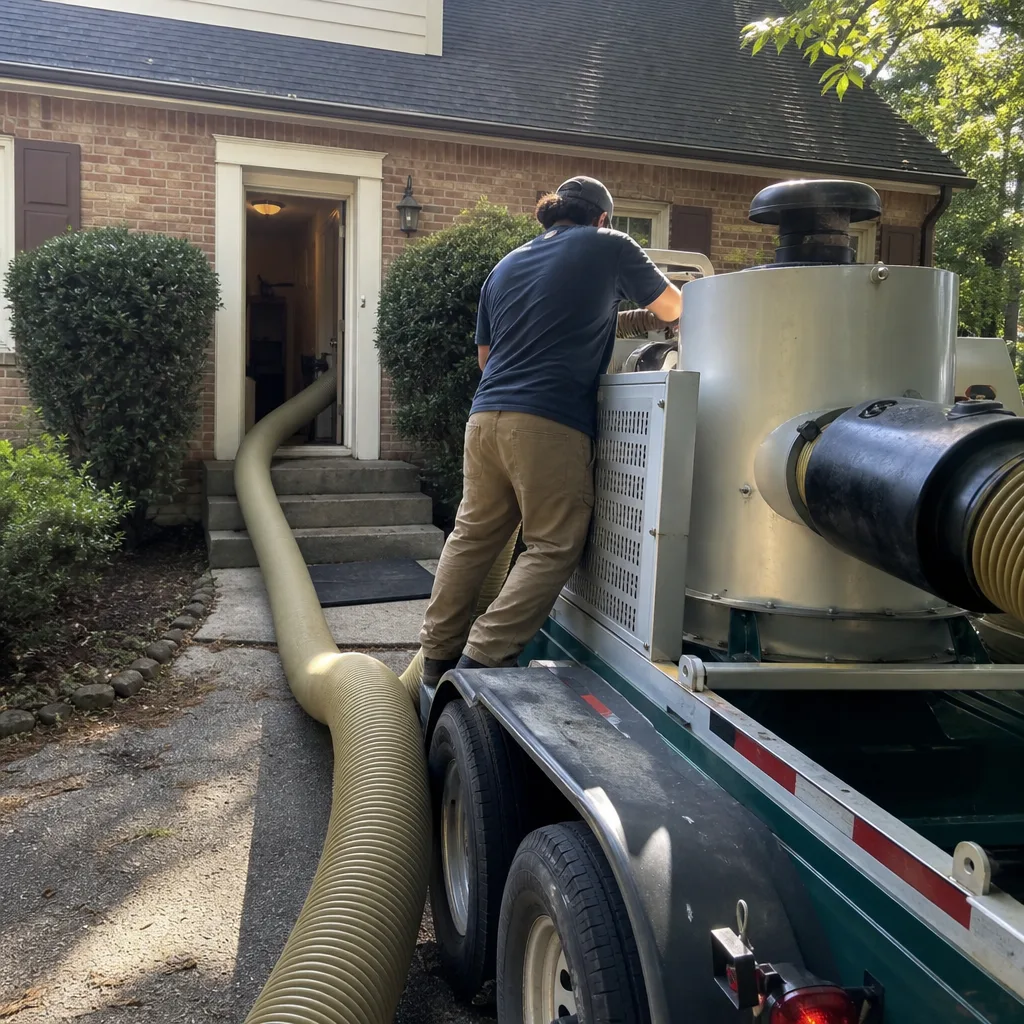
Heating mode moves air differently than cooling, and that difference changes what happens to debris inside ductwork. In cooling mode, cold air is denser and tends to stratify, hugging the duct floor. In heating mode, warm air rises within the duct cross-section, creating a rolling circulation pattern that lifts settled debris from the bottom and redistributes it throughout the system.
This explains the “first heat-on smell” that Johns Creek homeowners notice in November. It’s not “dust burning off” as commonly described. In our photo records, we find it’s primarily:
- Resuspended particulate from the duct floor: Debris that settled during summer’s low-airflow periods gets lifted and carried to registers.
- Volatile organic compounds from microbial growth: Any mold or bacteria that grew during summer’s humidity releases metabolic byproducts when heated. These have distinct musty or sharp odors.
- Combustion byproducts from the furnace: First operation of the season burns off dust that settled on the heat exchanger and in the burner compartment. This is normal in small quantities; persistent odor indicates a problem.
The recirculation pattern also affects where debris accumulates. In cooling mode, we find the heaviest loading at the end of long runs - the last register gets the most debris because it settles during low-velocity periods. In heating mode, debris distributes more evenly, but the upper surfaces of horizontal duct runs show increased loading because the warm air rolls across the top.
Winter maintenance tasks:
- Run the system in fan-only mode for 2 hours before first heating operation to purge loose debris without heating it.
- Inspect registers for debris ejection during the first 48 hours of heating operation - visible particles indicate significant duct loading.
- Check the humidifier if present; winter dry air drives humidifier use, and improperly maintained units introduce mineral dust and microbial growth into the duct airstream. We specify Aprilaire and Honeywell humidifiers with proper drain connections to avoid this.
- Monitor for persistent odors beyond 72 hours of operation; this indicates active microbial growth or combustion issues, not normal startup.
In Johns Creek’s older homes, particularly those near the original Johns Creek community center area with original 1980s ductwork, we find galvanized steel ducts with internal fiberglass lining that has degraded. Heating mode’s higher temperature accelerates breakdown of this lining, releasing fibers into the airstream. A borescope inspection in winter, when the system is running, shows active fiber release that a summer inspection might miss.
Building Your Seasonal Photo Archive
The purpose of seasonal maintenance is to make cleaning decisions factual rather than calendar-based. A photo archive provides the evidence. Here’s how to build one that supports a three-year cleaning schedule decision:
- Establish consistent photo points: Photograph the same locations each season - the plenum interior, the first 2 feet of each trunk line, a representative branch duct, and at least two register boots. Use a borescope camera or a phone with a clip-on inspection camera; adequate units cost $40-80.
- Include a reference object: Place a ruler or coin in each photo for scale. “Dust” is meaningless; “3mm debris layer” is actionable.
- Record metadata: Date, outdoor temperature, indoor relative humidity, and system runtime hours since last filter change. Humidity matters particularly in Johns Creek; the same debris load at 35% RH presents different risk than at 65% RH.
- Compare year-over-year, not just season-to-season: Spring 2025 versus spring 2026 shows true accumulation rate. Spring 2025 versus fall 2025 shows seasonal variation, which is less useful for scheduling.
- Define your action thresholds: Our experience suggests these benchmarks for Johns Creek conditions:
- Less than 1mm debris, no visible moisture, no odor: extend interval, inspect next season.
- 1-3mm debris or visible moisture staining: schedule cleaning within 60 days.
- Greater than 3mm debris, visible mold, or persistent odor: immediate cleaning and source remediation.
CleanRun’s documented photo record, included on every visit, provides professional-grade baseline images if you choose to continue the archive yourself. The photos we deliver are timestamped, geotagged, and include a written scope reference so you can locate the same duct run in future inspections.
A factual three-year schedule emerges from this data. Some Johns Creek homes, particularly those with excellent filtration and tight ductwork, show minimal accumulation across two years. Others, near construction zones or with pets, need annual attention. The photo archive removes the guesswork and the marketing pressure.
What Seasonal Duct Maintenance Costs in Johns Creek
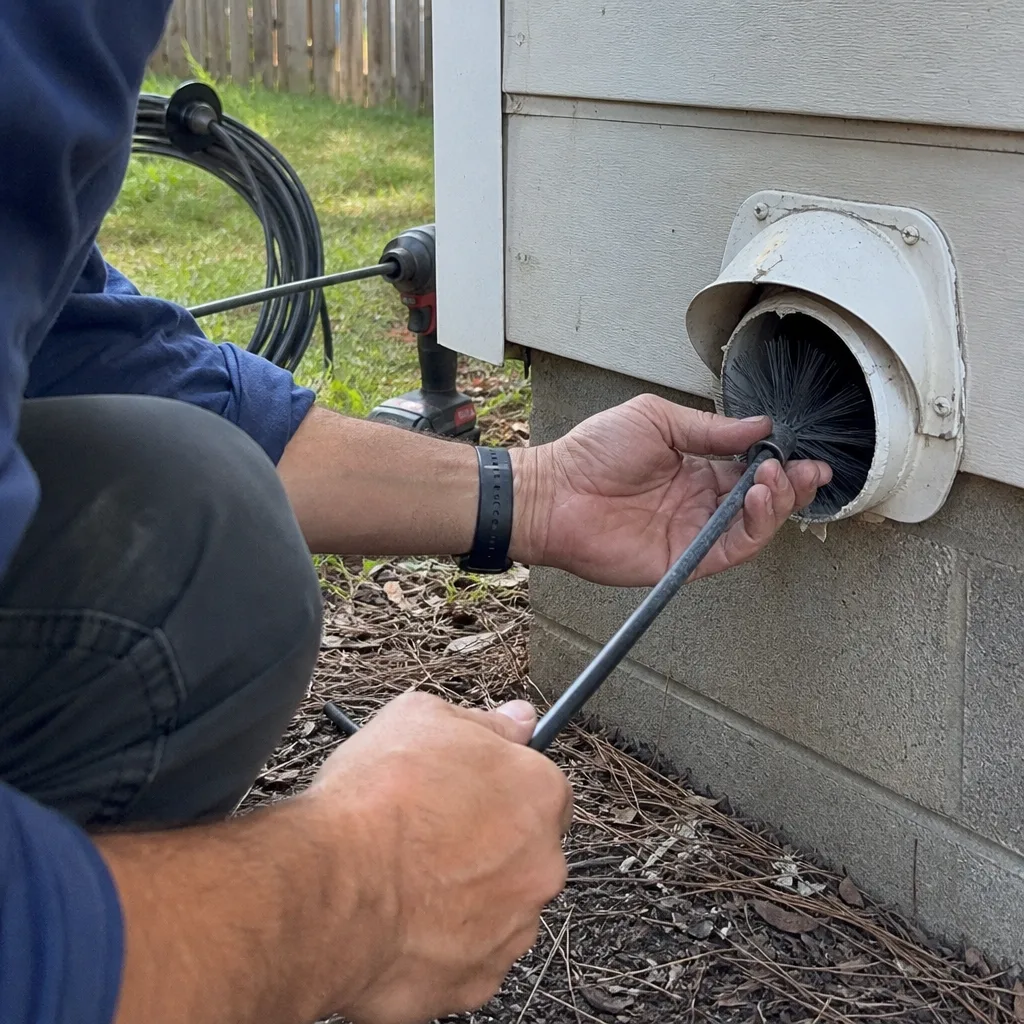
CleanRun’s pricing follows Haven Standard Clause 1: written price before any work starts, every time. For seasonal maintenance, we provide specific ranges based on system size and condition, not teaser rates that change once the truck arrives.
| Service | Typical Range in Johns Creek | What’s Included |
|---|---|---|
| Seasonal inspection with photo documentation | $149-$199 | Borescope inspection of all accessible duct runs, photo record, written condition report with recommendations |
| Full system air duct cleaning (negative-pressure extraction) | $450-$750 | Complete cleaning of supply and return ductwork, plenum, registers, and boots; before/after photo record of every run |
| Evaporator coil cleaning | $180-$280 | Foaming cleaner application, rinse, static pressure verification |
| Dryer vent cleaning | $120-$180 | Full vent run cleaning from appliance to exterior termination; airflow measurement before and after |
| Duct repair and sealing (per linear foot) | $8-$15 | Mastic sealant or metal tape at accessible leaks; replacement of degraded flex sections |
| Whole-house dehumidifier installation | $1,800-$2,800 | Unit (Aprilaire or Honeywell), electrical connection, duct integration, commissioning |
These ranges reflect Johns Creek’s market - labor rates, equipment costs, and the specific challenges of local housing stock. A competitor’s $79 coupon typically covers a single register cleaning or a vacuum run without negative-pressure extraction, which is why we offer a Free Second Opinion on any written estimate: bring the quote, and we’ll itemize what’s actually included.
The 365-Day Done Right Promise applies to all work. If the photo record shows debris remaining, or if moisture problems recur because we missed an insulation deficiency, we return and correct it. The promise is in writing on every job, not stated in marketing copy.
Common Mistakes to Avoid
- Treating all seasons the same: A single annual cleaning in October misses summer’s moisture damage and spring’s combustion residue. The debris you find in October is chemically different from March’s, and the remediation differs.
- Ignoring flex duct insulation: In Johns Creek’s humid summers, R-6 insulation is often inadequate. Upgrading to R-8 costs more upfront but prevents the mold recurrence that makes repeated cleanings necessary.
- Using per-vent pricing as a comparison tool: A home with 12 vents and a home with 8 vents may have identical ductwork footage. Per-vent pricing rewards inefficient duct design and penalizes well-designed systems. We price by system, not by vent count.
- Cleaning without inspecting: Vacuuming debris from a duct run with a disconnected boot in the attic pulls attic air into the system faster than cleaning removes it. Every cleaning should start with a connection integrity check.
- Skipping the photo record: Without documentation, you cannot verify work was performed, cannot compare season-to-season, and have no basis for warranty claims. We include photos as standard; competitors who don’t are asking for trust without evidence.
- Delaying until “you can smell it”: By the time odor is detectable at registers, microbial growth is established and remediation requires more than cleaning. Seasonal inspection catches conditions before they become odors.
When to Call a Professional
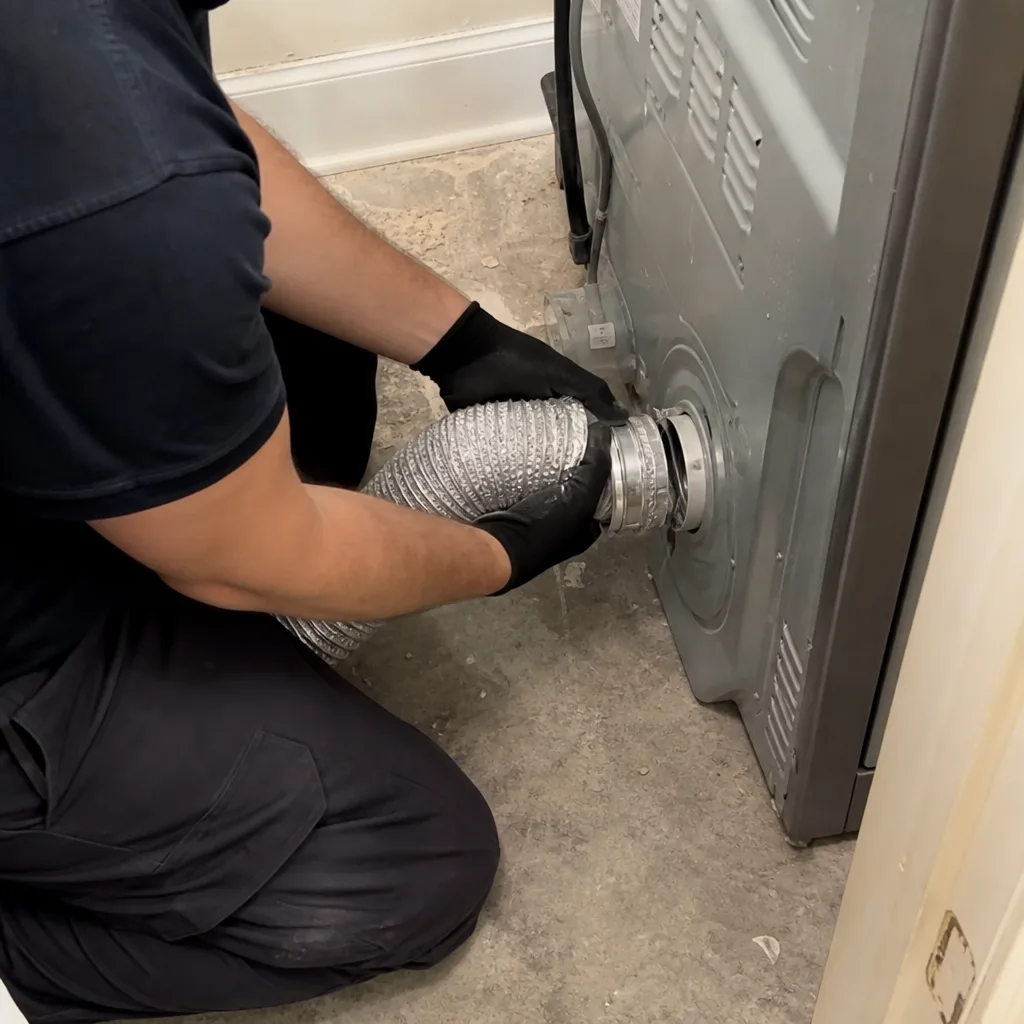
Some conditions require equipment and training beyond homeowner capability. Call a professional when:
- You smell gas or combustion odors from registers - this indicates a potential heat exchanger crack or venting problem, and requires immediate shutdown and professional inspection.
- Visible mold covers more than 10 square feet of duct surface - remediation at this scale requires containment and negative-air procedures.
- Static pressure readings exceed manufacturer specifications - this indicates blockage or design problems that cleaning alone won’t fix.
- Ductwork includes asbestos-containing materials - common in pre-1985 homes, requires specialized abatement.
- You need a written scope and price before authorizing work - which is every time, under the Haven Standard.
CleanRun Air Duct Cleaning Johns Creek offers free estimates in Johns Creek. Our technicians arrive in uniform, identified by name, with background verification completed under Haven Standard Clause 3. Every estimate includes a written price, and we provide a Free Second Opinion on any competitor’s written quote. Call (470) 326-1926 to schedule.
Frequently Asked Questions
A complete negative-pressure extraction cleaning for a typical Johns Creek home runs $450-$750, depending on system size, accessibility, and condition. See our Air Duct Cleaning Cost Breakdown: The Johns Creek Homeowner’s Reference for 2026 for full pricing details. This includes all supply and return ductwork, the plenum, registers, and boots, plus a documented photo record of every run before and after. Call (470) 326-1926 for a written estimate specific to your home - estimates are free.
Low quotes typically exclude components that are standard in our scope: the plenum, the return side, or the photo documentation. A $79 service often covers a single register or a brief vacuum run without negative-pressure extraction equipment. The Haven Standard requires written scope before work starts so you can compare item-by-item. Bring us any written estimate; we’ll show you what’s included and what isn’t.
CleanRun provides a Documented Photo Record on every visit - inside every duct run, before and after, delivered as part of the standard job record. These are timestamped images you can review, not a technician’s verbal report. If a company cannot or will not provide this, you have no verification.
Frequency depends on your home’s specific conditions, not a calendar. Homes with pets, recent construction nearby, or inadequate filtration need more frequent service. The only accurate method is seasonal inspection with photo documentation to track accumulation rates. Most Johns Creek homes we serve fall into a 2-3 year cycle once baseline conditions are established.
Air duct cleaning addresses the distribution network - the ducts, plenum, and registers that move conditioned air. HVAC Cleaning in Johns Creek includes the equipment itself: the blower assembly, evaporator coil, heat exchanger, and condensate system. Both are necessary for complete system health, and we scope them separately so you choose what’s needed.
Yes. The sustained humidity and high dew points mean we specify equipment with moisture-resistant components: Rotobrush systems with sealed motors, Nikro HEPA extractors rated for wet conditions, and Abatement Technologies negative-air machines. For whole-house solutions, we install Aprilaire and Honeywell dehumidifiers sized to local conditions. Generic equipment not rated for humid operation fails prematurely here.
The Bottom Line
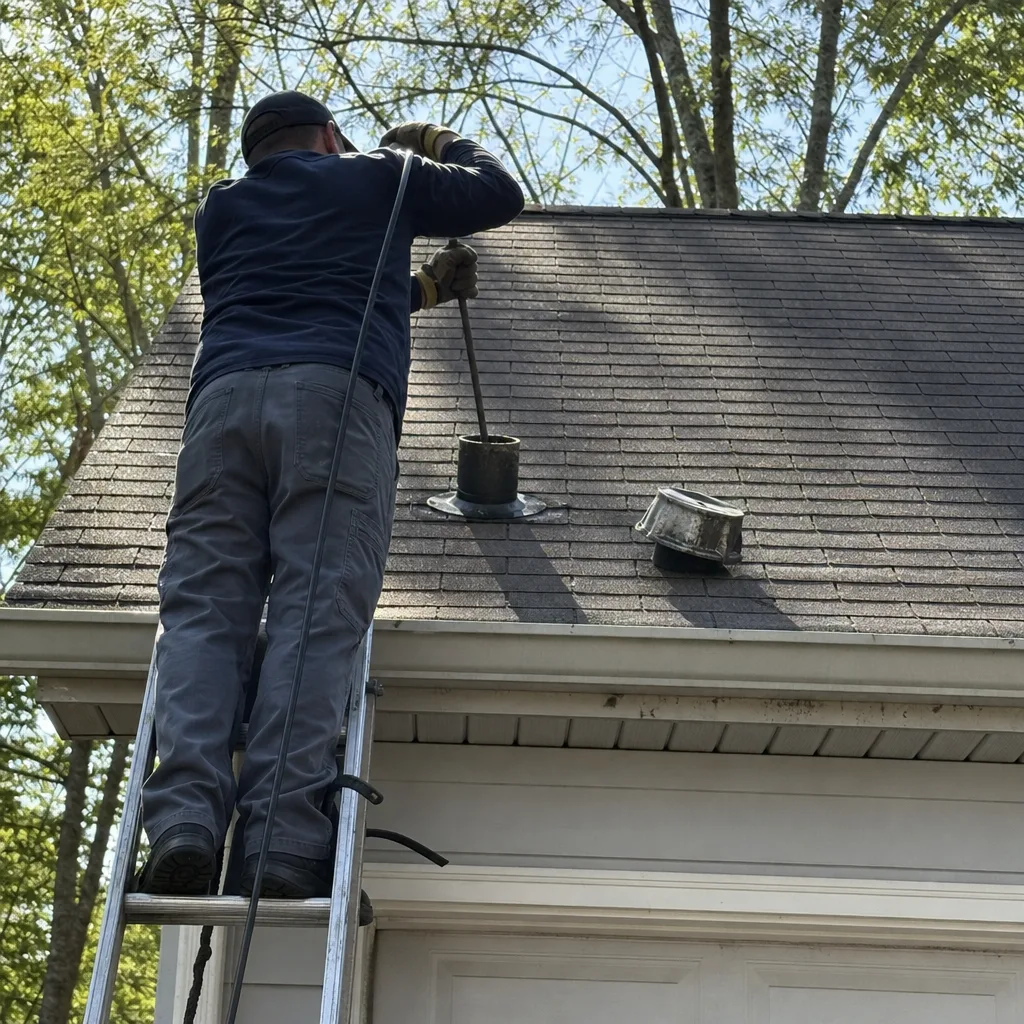
Johns Creek’s 56 inches of annual rainfall and summer dew points above 70°F create seasonal ductwork risks that a single annual cleaning cannot address. Spring demands inspection for combustion residue and cooling coil biofilm before first AC use. Summer requires monitoring for duct sweating and insulation adequacy. Fall checks for thermal expansion damage and heat exchanger integrity before heating begins. Winter’s recirculation patterns redistribute debris and produce the first-heat odor that signals conditions established months earlier. A seasonal photo archive transforms maintenance from calendar guesswork to evidence-based decision making. Browse our more guides & resources for additional home maintenance insights. CleanRun has documented these patterns across 52,000+ homes since 2013, and we apply that record to every Johns Creek system we inspect.
Written by Tomas Reyes, Owner at CleanRun Air Duct Cleaning Johns Creek, serving Johns Creek since 2013.