
Last updated September 23, 2026
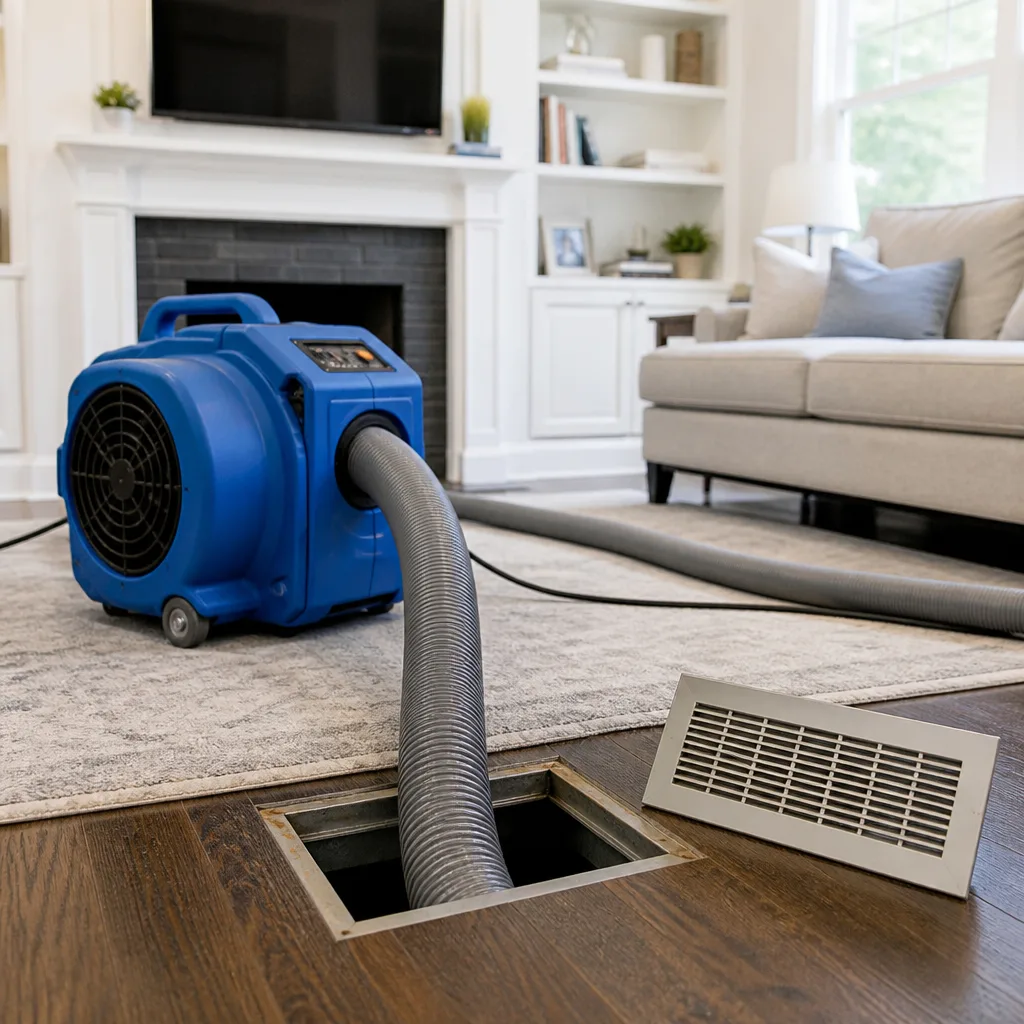
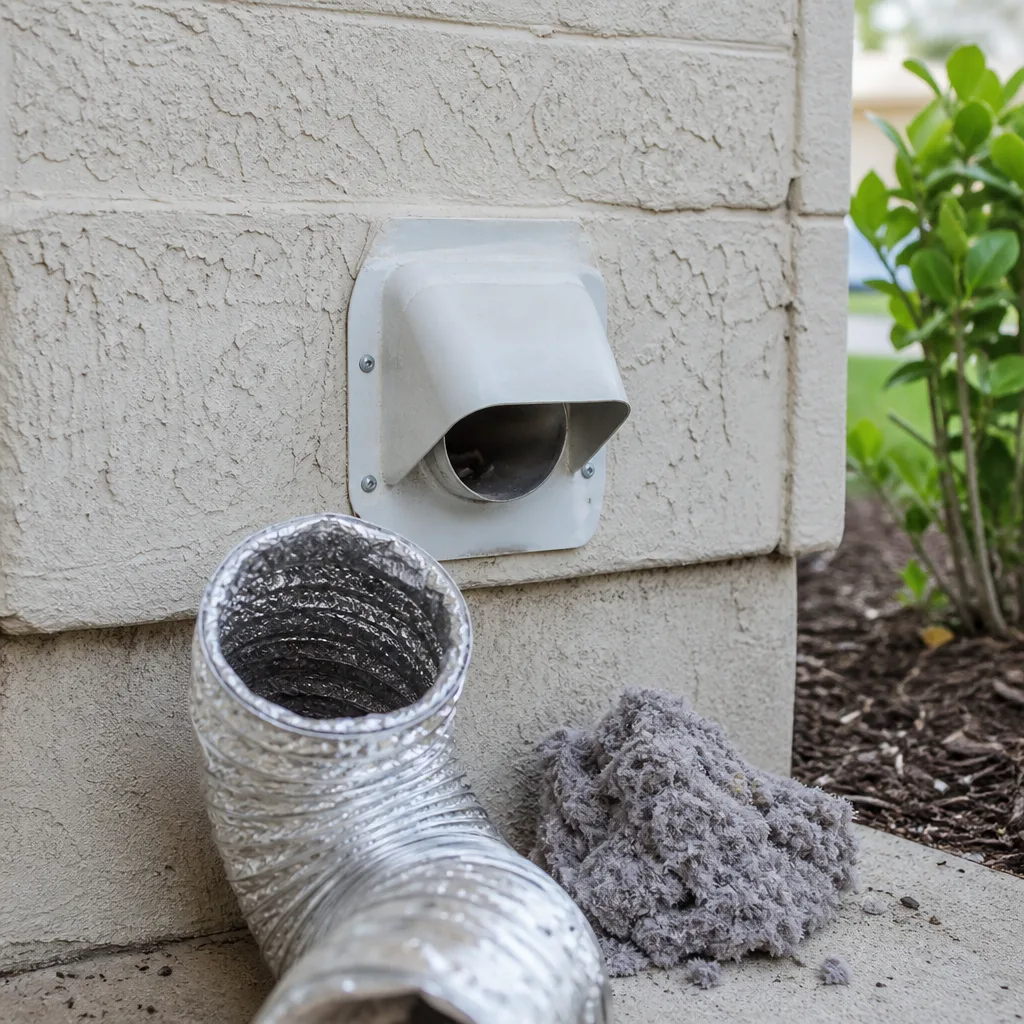
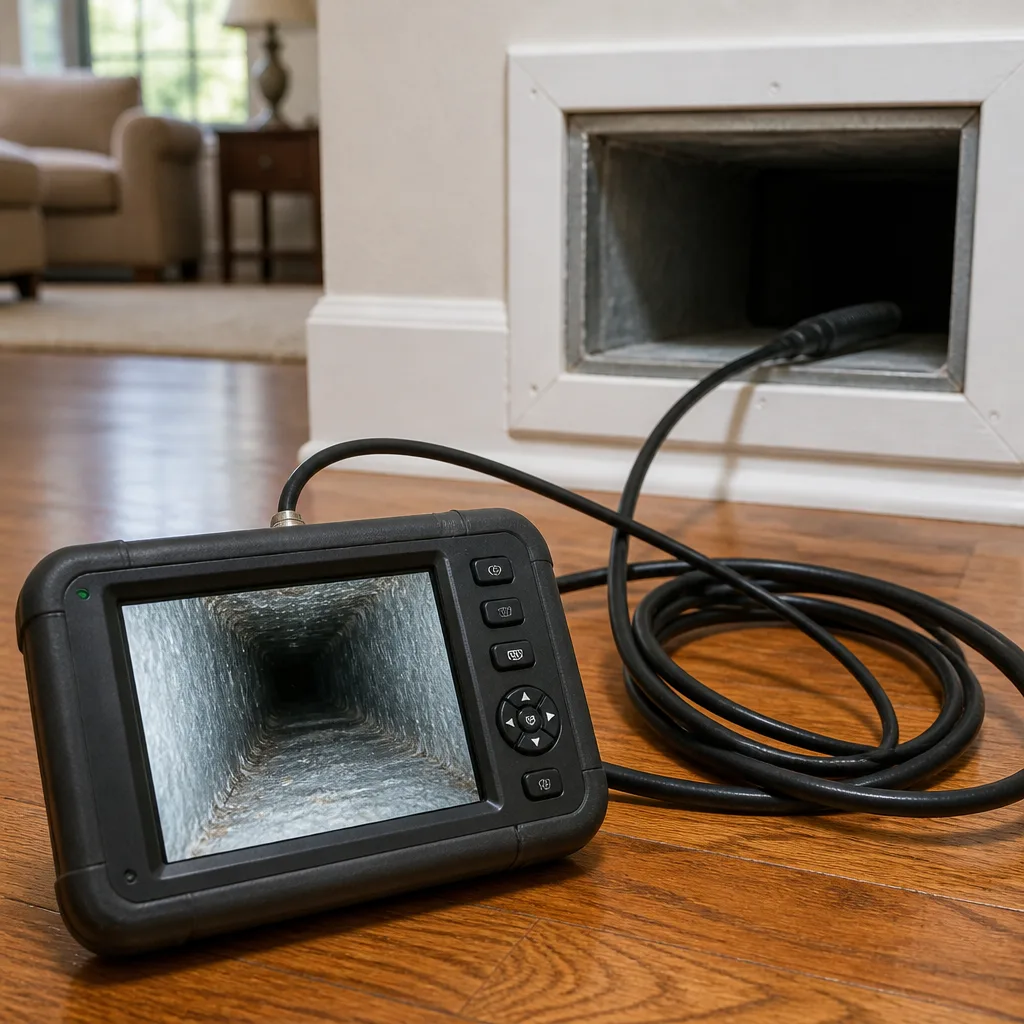
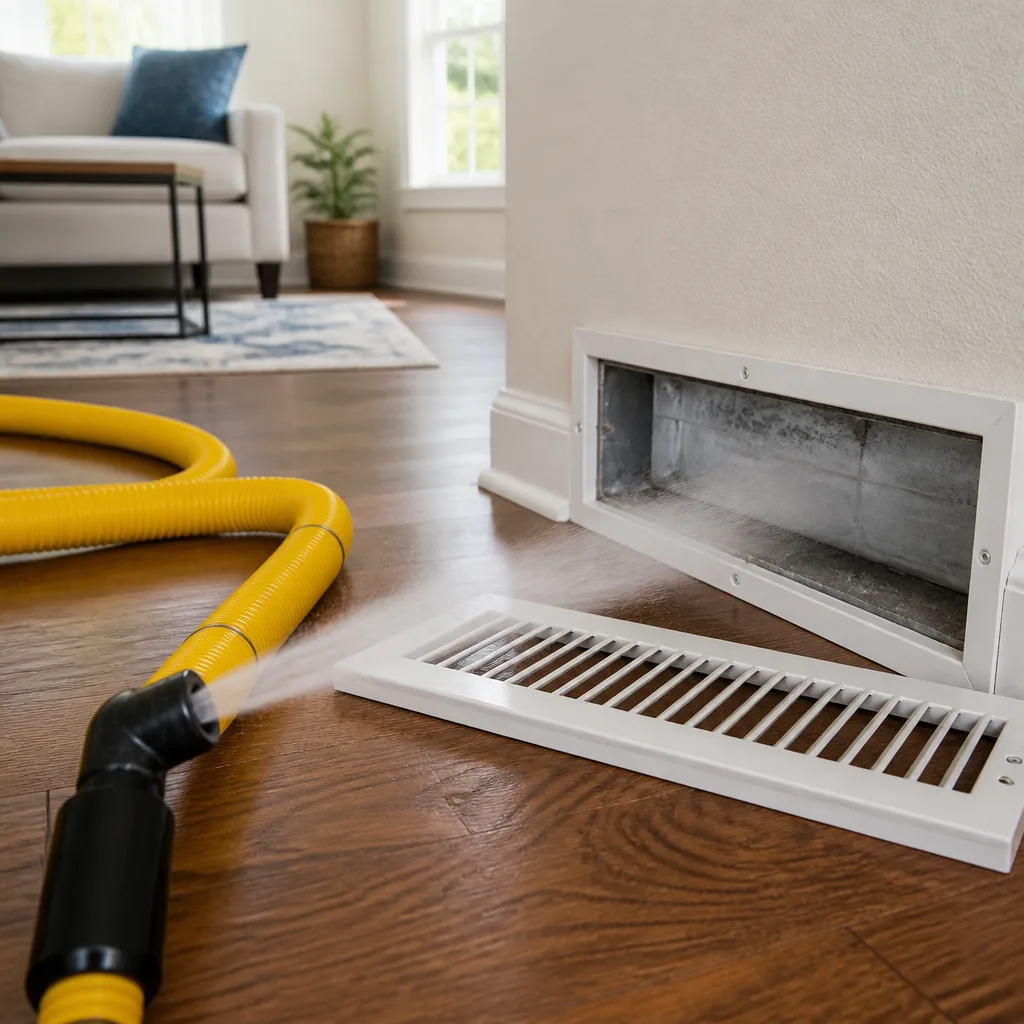
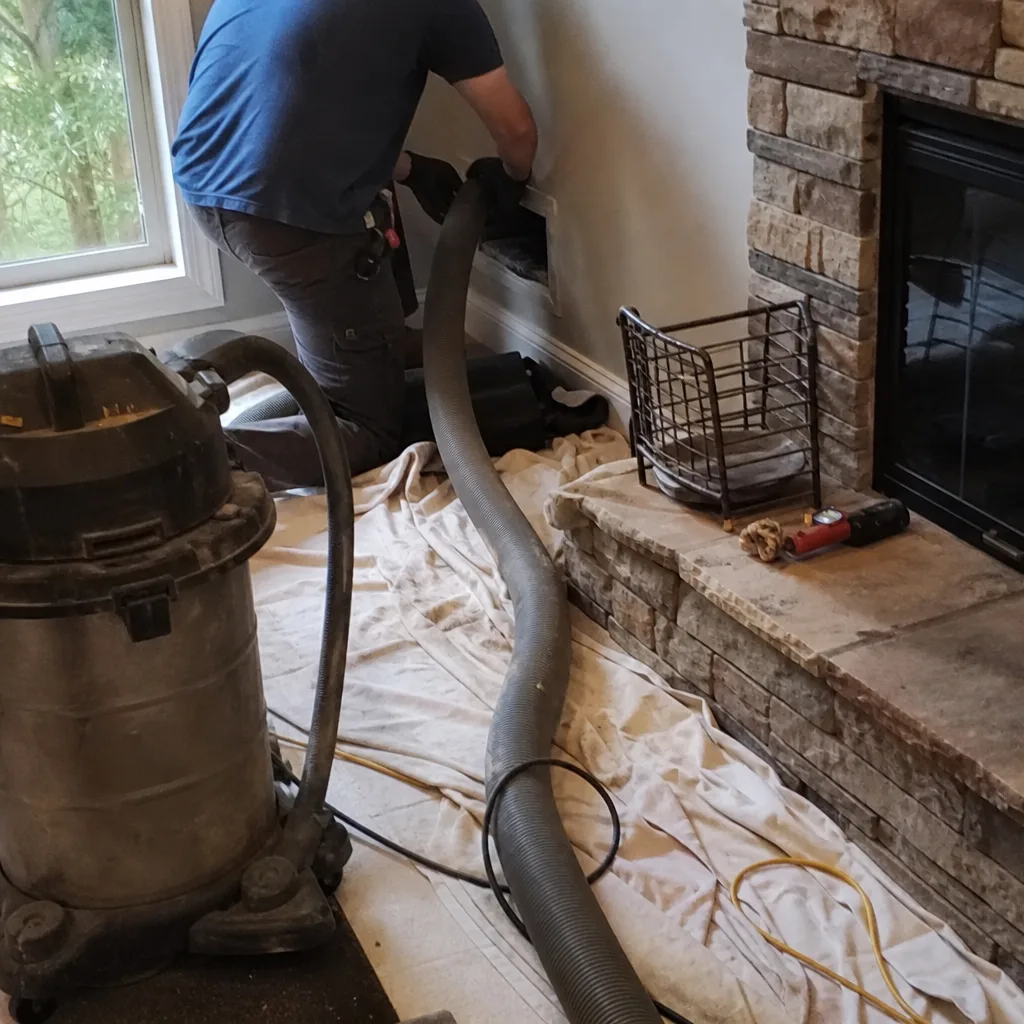
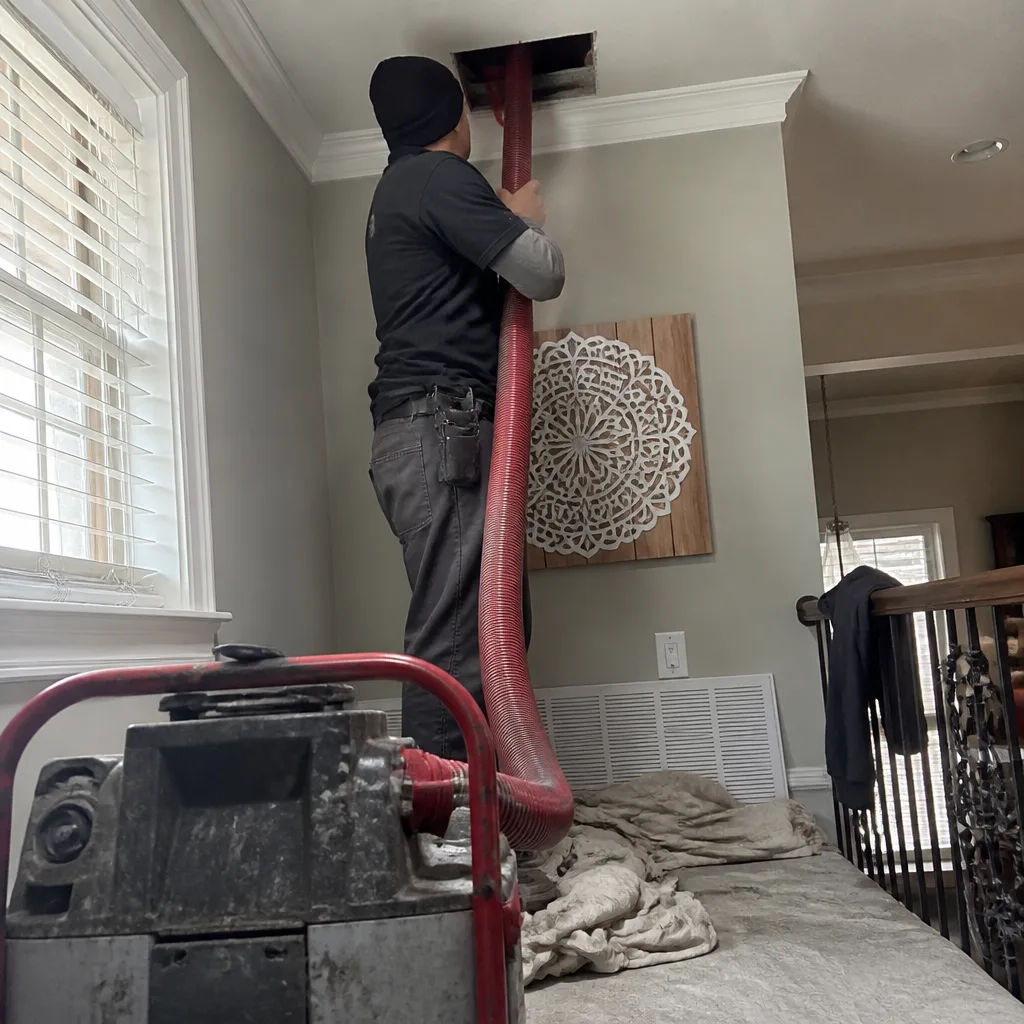
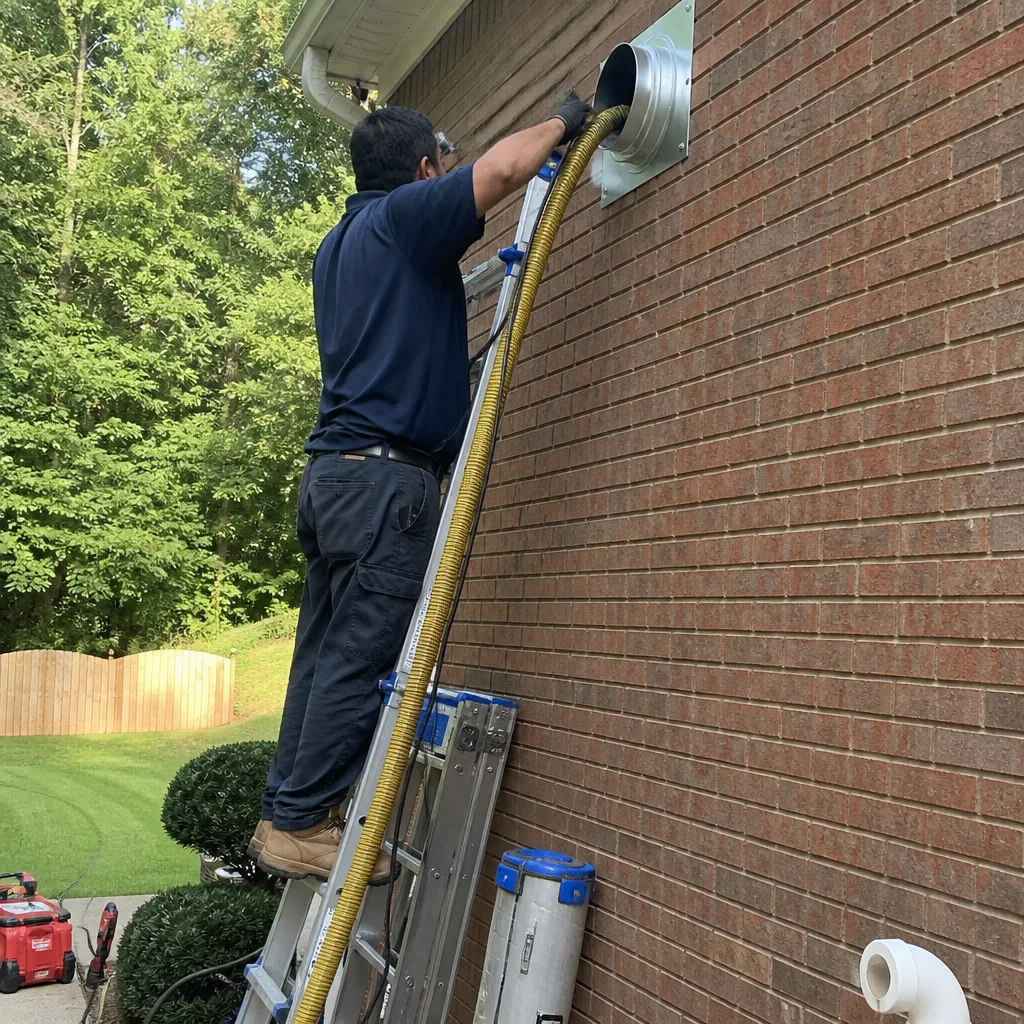
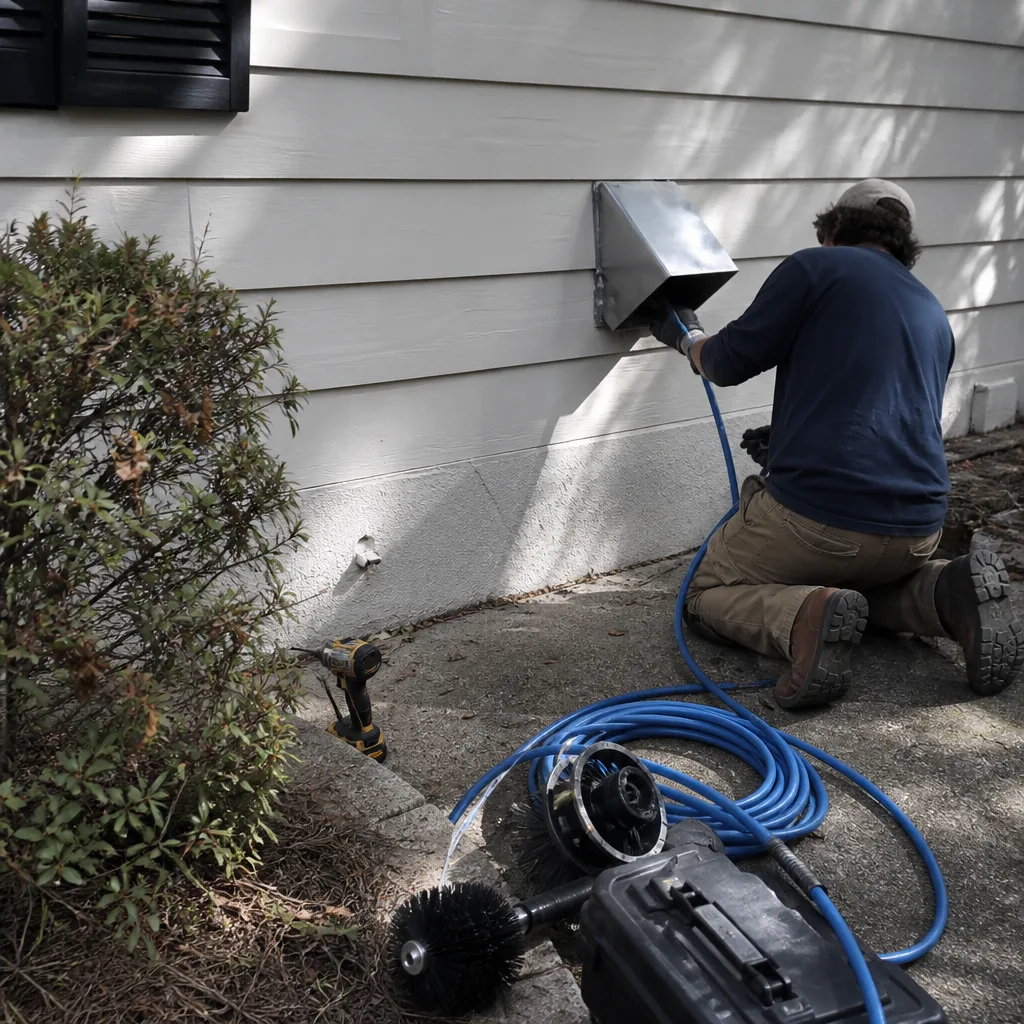
Whole-system duct and dryer vent check with before-and-after photos - you see exactly what came out of your vents
That "$99 whole-house special" is a bait ad - the real number appears once they are in your hallway, or the "clean" is a shop-vac at the register. We photograph the inside of your ducts before and after instead.
 Before
 After
After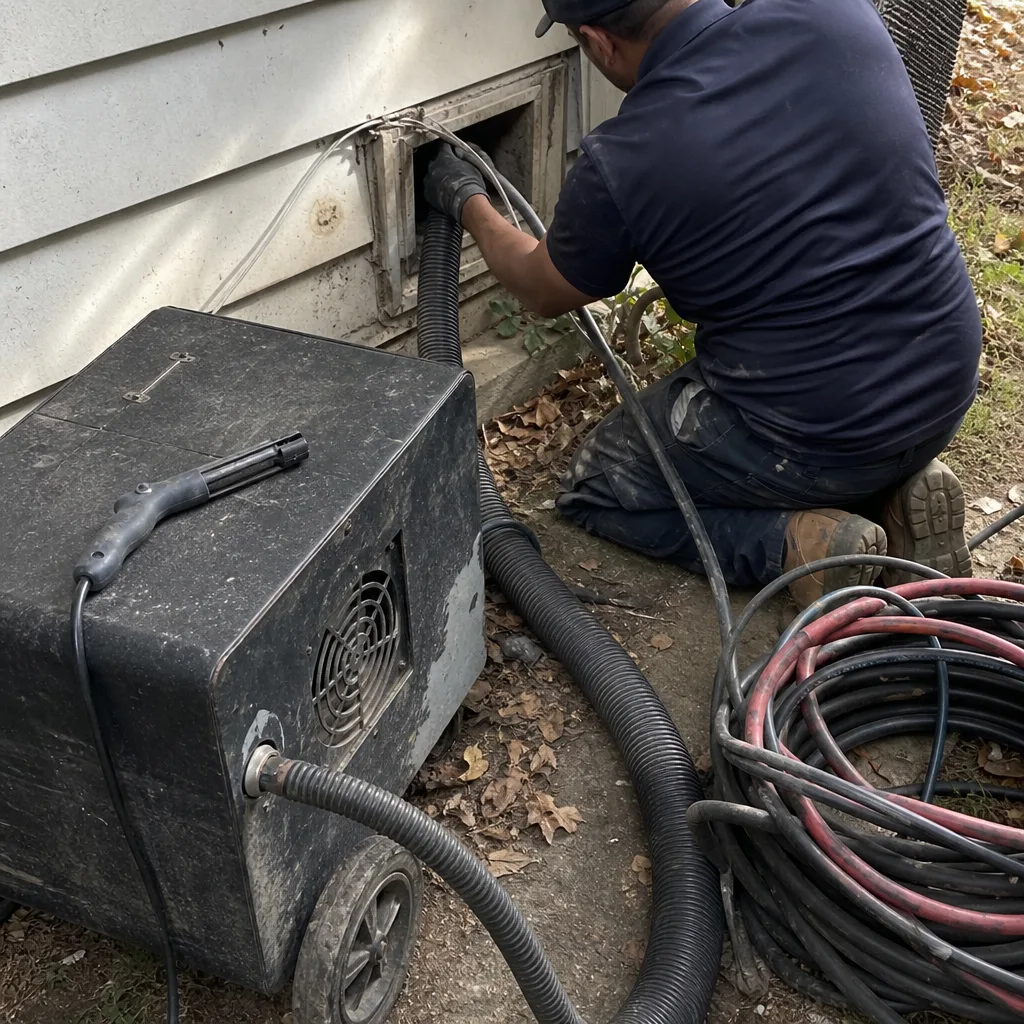 Before
 After
After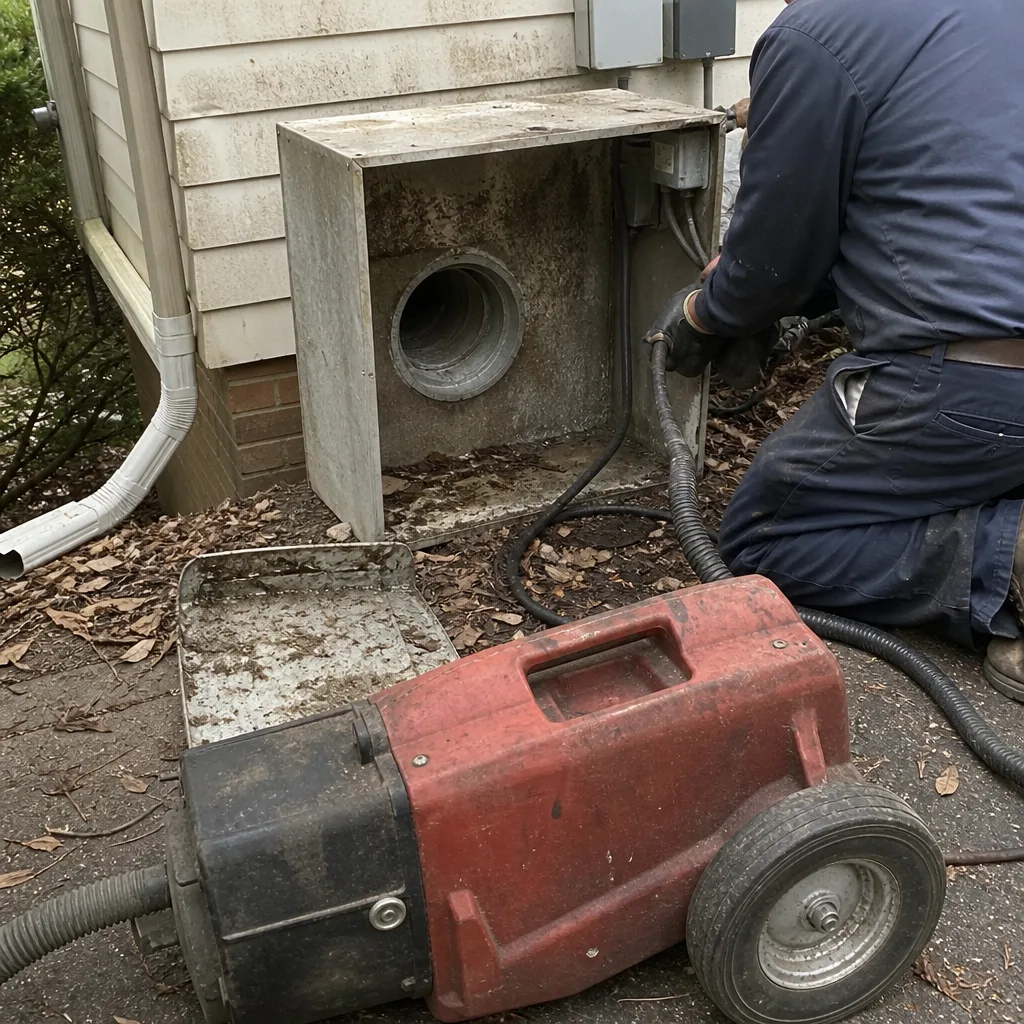 Before
 After
AfterDIY vs Professional Air Duct Cleaning: The Johns Creek Homeowner’s Decision Guide
Here’s something most duct cleaning companies won’t say out loud: a $30 dryer-vent brush kit and a shop vacuum will genuinely clean your registers and the first 18 inches of duct behind them. We’ve been in Johns Creek homes since 2013 where the homeowner’s DIY effort at the register was perfectly adequate - and we’ve been in homes where that same effort released a decade of construction debris into the living room because someone dislodged material in the main trunk without any extraction running. The difference isn’t effort or intention. It’s whether what you can physically reach matches what actually needs to come out of your system. This guide maps exactly where that line falls for a typical Johns Creek HVAC setup, what you should handle yourself on a routine basis, and how to tell when a professional Air Duct Cleaning quote describes scope that genuinely exceeds what consumer tools can accomplish.
Quick Answer
DIY air duct cleaning in Johns Creek is appropriate for registers, filters, and accessible flex duct connections - basically anything you can see and reach without tools beyond a screwdriver. Professional cleaning with negative-pressure extraction equipment becomes necessary for main trunk lines, the air handler interior, return plenums, and any system with post-renovation debris, confirmed mold, or pest intrusion. The dividing line is physical reach plus simultaneous extraction capability, not cost or trust.
Table of Contents
- What DIY Air Duct Cleaning Can Actually Accomplish
- A Physical Map of Your Johns Creek HVAC System
- The DIY Routine Maintenance You Should Do Regardless
- Why Negative-Pressure Extraction Matters
- Three Scenarios Where Professional Cleaning Is Non-Negotiable
- How to Evaluate Whether a Professional Quote Exceeds DIY Capability
- Honest Cost Comparison: DIY Investment vs. Professional Pricing in Johns Creek
- Common Mistakes to Avoid
- When to Call a Professional
- Frequently Asked Questions
BeforeAfterWhat DIY Air Duct Cleaning Can Actually Accomplish
Let’s start with what works. Consumer-grade duct cleaning is honest scope, and it’s worth doing on a regular schedule.
A homeowner with basic tools can effectively clean:
- Floor and wall registers - Remove with a screwdriver, wash in warm soapy water, dry completely before reinstalling. The metal or plastic grille and the short boot behind it are accessible and cleanable.
- The first 12-24 inches of flex duct behind registers in unfinished basements or crawl spaces, where the flexible ducting is visible and reachable.
- Return air grilles and the return drop in many Johns Creek homes built 2015-2020, which often have a filter rack immediately behind the grille that can be vacuumed.
- Filter replacement and filter housing cleaning - The filter slot or media cabinet can be wiped, and the surrounding plenum surface vacuumed with a brush attachment.
- Condensate drain pan access points where visible and reachable, though we recommend against chemical treatments without knowing your coil’s specific coating compatibility.
The tools for this work are straightforward: a vacuum with HEPA filtration (critical - you’re stirring up particulate), microfiber cloths, a long-handled duster, and a register brush kit. Total investment: $40-$80 if you don’t already own a suitable vacuum.
What DIY cannot accomplish - and this is where the honest scope ends - is any cleaning that requires dislodging debris without simultaneous extraction. A shop vacuum at the register does not create negative pressure throughout the duct run. It creates negative pressure at the register. The physics are unforgiving: agitation without extraction moves debris from surfaces into the airstream, where your running HVAC system distributes it through the house.
We’ve documented this in Johns Creek homes, particularly in the Rivermont and Country Club of the South areas where larger systems with longer trunk runs are common. The camera shows a clean 18 inches behind the register, then a debris field at the first elbow where the homeowner’s brush pushed material forward until it hit resistance and settled. That material doesn’t stay settled. The next heating or cooling cycle re-entrains it.
A Physical Map of Your Johns Creek HVAC System
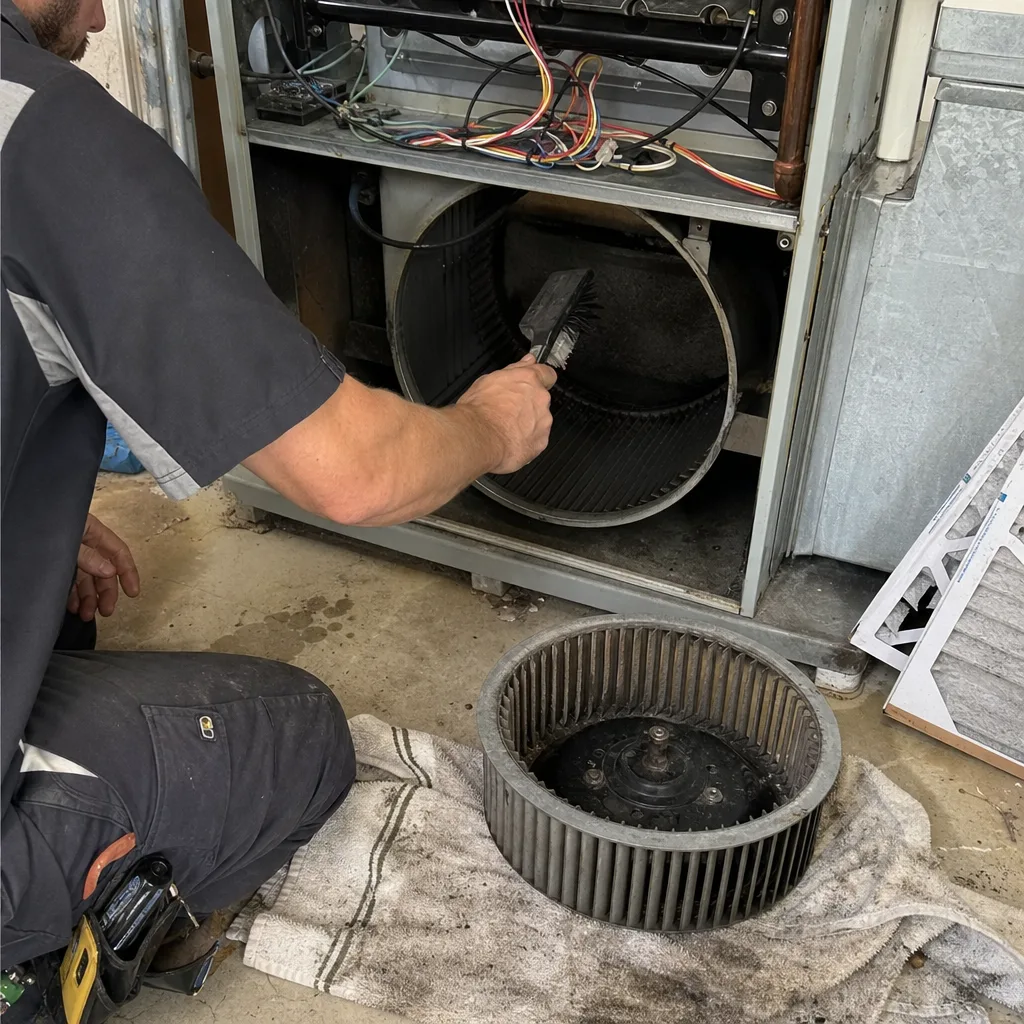
Understanding what you can and cannot reach requires knowing how your system is laid out. Most Johns Creek homes built between 1995 and 2020 follow one of several patterns dictated by slab-on-grade construction with attic or basement mechanical placement.
Typical System Layout in Johns Creek Homes
- Air handler location: Attic, basement, or garage mechanical closet. In Johns Creek’s newer subdivisions like Alara and Olmstead, garage mechanical closets are standard. Older homes in Medlock Bridge and Abbotts Bridge areas more often have attic units.
- Supply plenum: The sheet metal box directly on top of (or beside) the air handler. Distributes conditioned air to trunk lines. Typically 24-36 inches per side, fully enclosed in finished homes.
- Main trunk lines: Large rectangular or round duct (8×14 inches to 12×22 inches) running the length of the home. In Johns Creek’s ranch and two-story plans, these often run 40-80 linear feet.
- Branch ducts: 6-inch or 8-inch round duct connecting trunk to registers. Flex duct is common in post-2005 construction; hard pipe in earlier homes.
- Return system: Return grille, return duct (often larger, 12×12 or 14×20), return plenum, and filter rack. The return side pulls air from your living space back to the handler - it’s the “intake” and often the dirtiest component.
- Coil and blower compartment: Inside the air handler, accessible only by removing panels with specific torque settings to avoid refrigerant line damage.
What You Can Reach vs. What You Cannot
| Component | Typical Homeowner Access | Requires Professional Equipment |
|---|---|---|
| Floor/wall registers | Full - screwdriver removal | No |
| Register boot (first 6-12 inches) | Partial - vacuum brush reach | No |
| Branch duct beyond boot | None in finished construction | Yes - negative pressure + agitation |
| Main trunk lines | None without cutting access panels | Yes - trunk line access and extraction |
| Supply plenum | None - sealed to handler | Yes - panel removal with proper reseal |
| Return grille and filter rack | Full - standard maintenance | No |
| Return duct and plenum | Partial - limited vacuum reach | Yes - full extraction and camera inspection |
| Coil and blower | None - warranty-voiding to access | Yes - specialized coil cleaning and care |
The climate factor matters here. Johns Creek’s hot, humid summers mean evaporator coils work harder and longer than in cooler markets. A coil with restricted airflow from debris buildup works 15-25% harder to achieve the same temperature drop. You cannot see this component without removing panels, and you cannot clean it effectively without foaming agents and proper drainage management that protect the surrounding electrical components.
The DIY Routine Maintenance You Should Do Regardless
Whether you schedule professional cleaning annually, every three years, or on an as-needed basis, certain maintenance extends system life and maintains baseline air quality. These are not substitutes for professional cleaning; they’re complements that reduce the load on your system between professional visits. For Seasonal Air Duct Cleaning Care for Johns Creek: Year-Round Homeowner’s Guide, see our seasonal maintenance breakdown.
Monthly Tasks
- Filter inspection and replacement. In Johns Creek, where pollen counts peak March through May and HVAC runtime is high June through September, filters load faster than manufacturer estimates. Check monthly; replace 1-inch pleated filters at 60-90 days maximum, 4-inch media at 6-9 months. Use MERV 8-11 for standard systems, MERV 11-13 only if your system was designed for the static pressure increase.
- Register visual check. Look for dust accumulation on grille fins, which indicates either filter bypass or duct leakage pulling attic or crawl space air.
Quarterly Tasks
- Register removal and cleaning. Soak in warm water with mild detergent, scrub with soft brush, dry completely. Check the boot behind for visible debris - vacuum what you can reach.
- Return grille cleaning. Often overlooked because it’s larger and less conspicuous. The return grille is your system’s intake; debris here enters the blower and coil directly.
- Condensate line check (visible portions only). Ensure the primary drain is flowing freely. In Johns Creek’s humidity, clogged drains cause pan overflow and ceiling damage in attic-mounted systems. Do not blow compressed air through the line without knowing where the termination point is - you can blow blockage into a worse obstruction.
Annual Tasks
- Filter housing deep clean. Remove filter, vacuum the rack and surrounding plenum surfaces with brush attachment, wipe with damp microfiber.
- Accessible flex duct inspection. In unfinished basement or crawl space areas, check for disconnected joints, crushed sections, or rodent damage. Johns Creek’s mature tree canopy and creek corridors support healthy squirrel and chipmunk populations; we’ve found gnawed flex duct in homes backing up to the Chattahoochee River National Recreation Area access points.
- Outdoor condenser coil cleaning. Not ductwork, but directly related: reduced outdoor airflow raises system pressure and increases debris loading on the indoor coil. Garden hose with spray nozzle, fin comb for minor straightening. Power off at the disconnect first.
These tasks are honest scope. They maintain what you can maintain. They do not clean what you cannot reach, and claiming otherwise - as some consumer duct cleaning kits do - is where DIY becomes counterproductive.
Why Negative-Pressure Extraction Matters
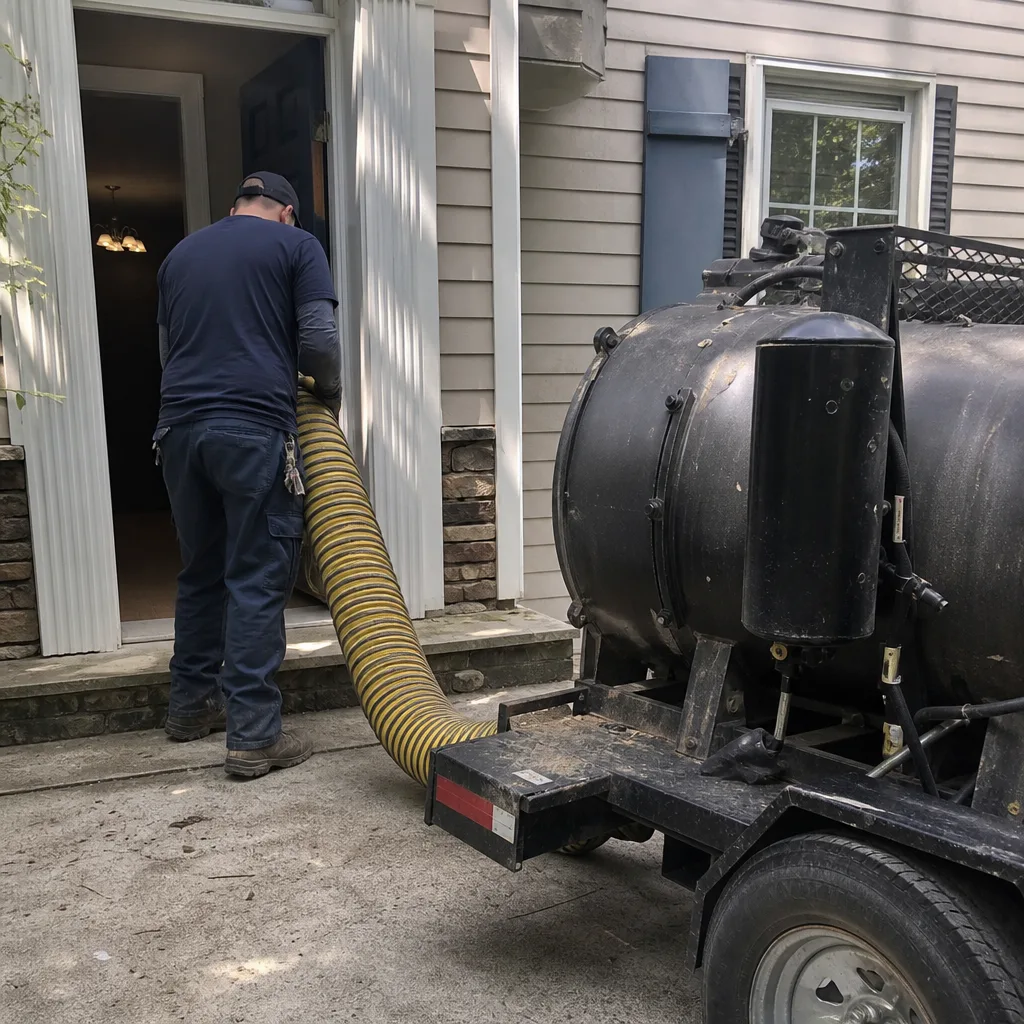
This is the technical dividing line, and it’s worth understanding because it explains why consumer tools fail at whole-system cleaning.
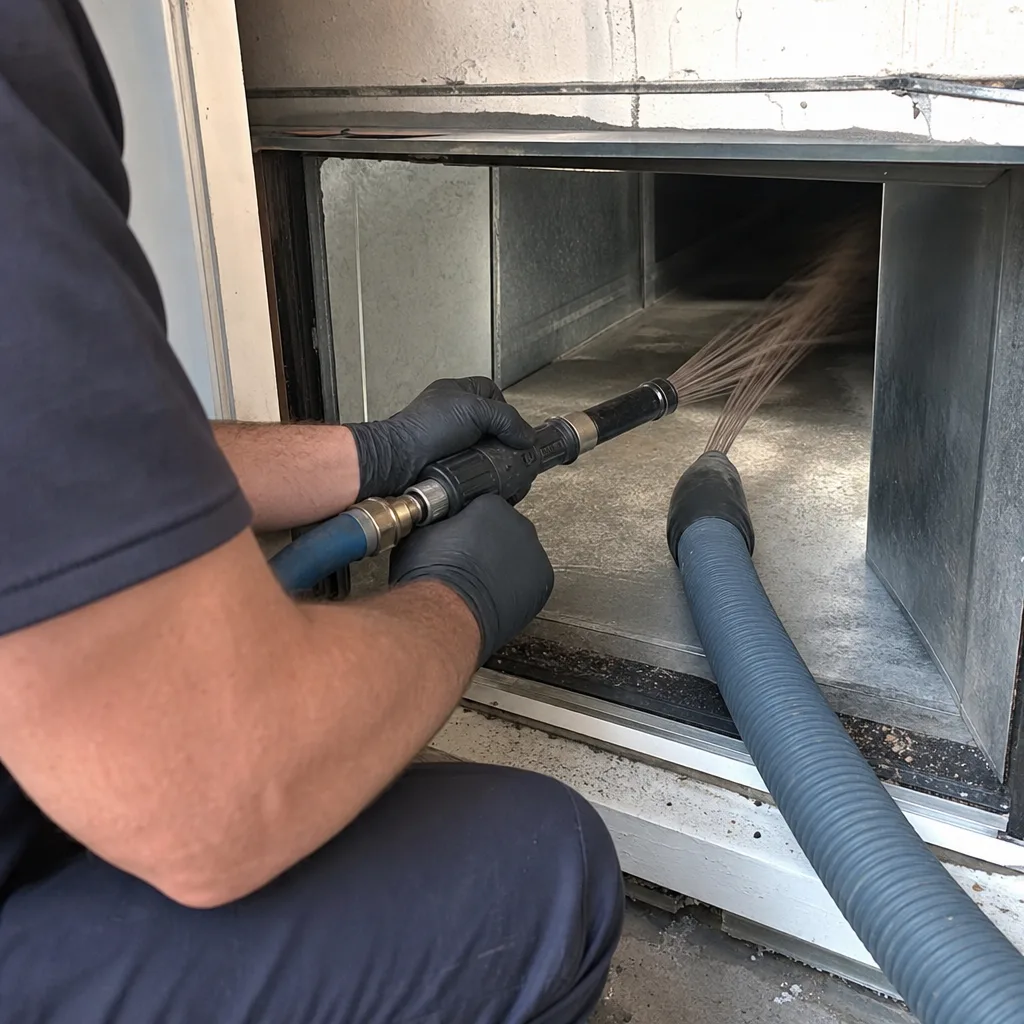
Negative-pressure extraction means the duct system is placed under vacuum - typically 2,000-4,000 CFM (cubic feet per minute) - while mechanical agitation dislodges debris. The vacuum source is a dedicated collection unit, not your household vacuum. The agitation may be rotating brushes, compressed air whips, or skipper balls, but the critical element is simultaneous operation: debris is dislodged and immediately captured in the same moment.
Without this simultaneous capture, you get redistribution. A brush pushed 10 feet into a duct run knocks debris off walls. Some falls. Some becomes airborne. Without extraction flow moving toward the vacuum source, that airborne material settles elsewhere in the system or is blown into living spaces when the system cycles.
We’ve photographed this in Johns Creek homes. In a 2019-built home in The Preserve at Johns Creek, a homeowner used a highly rated consumer duct cleaning kit with 12 feet of flexible rods and a brush head. The register and first 3 feet of branch duct looked better. The camera at the trunk connection showed a debris pile where brush-agitated material had accumulated at the first elbow. More critically, airborne particle counts in the living room measured 340% of baseline during the 48 hours following the DIY attempt, as the HVAC system redistributed loosened material.
Professional equipment from manufacturers like Abatement Technologies and Nikro creates system-wide negative pressure through access points cut into trunk lines, with HEPA-filtered collection that captures 99.97% of 0.3-micron particles. The equipment is not merely more powerful; it’s configured for controlled, contained extraction rather than agitation alone.
The Honeywell and Aprilaire air quality monitoring systems we sometimes install in Johns Creek homes after professional cleaning - where customers want ongoing verification - consistently show particulate reduction only when extraction was part of the cleaning process. Agitation without extraction shows temporary elevation, then return to baseline or worse.
Three Scenarios Where Professional Cleaning Is Non-Negotiable
There are situations where DIY is not merely insufficient but inappropriate regardless of budget or mechanical aptitude. These three scenarios require professional assessment and remediation.
1. Post-Renovation Debris
Construction generates particulate that standard residential HVAC filtration cannot capture: drywall dust, sawdust, insulation fragments, and volatile organic compounds from finishes. In Johns Creek’s active renovation market - particularly the teardown-and-rebuild activity in older neighborhoods near State Bridge Road - we’ve found 2-4 inches of construction debris accumulation in return plenums where the system ran during active work.
Post-renovation cleaning requires whole-system extraction, often with multiple access points, because construction debris is distributed throughout. It also requires verification: a photo record showing before and after at each duct run. Air Duct Cleaning in Johns Creek after renovation without documentation is speculation.
2. Confirmed Mold-Positive Systems
Visible mold in registers or on duct surfaces indicates conditions favorable to growth: moisture, organic material, and stagnant airflow. DIY cleaning of visible mold addresses symptoms, not conditions. The source of moisture - often a leaking condensate pan, improperly sealed plenum in a humid attic, or oversized system short-cycling - remains unaddressed.
Professional remediation includes moisture source identification, EPA-registered antimicrobial application where appropriate, and verification sampling. In Georgia’s climate, attic temperatures in July exceed 130°F; combined with humidity from duct leakage, this creates conditions where mold colonizes in months, not years.
3. Rodent or Pest Intrusion
Squirrel, raccoon, or rodent entry into duct systems is not uncommon in Johns Creek’s wooded lots. The evidence is often auditory (scratching in walls or ducts) or olfactory (urine odor at registers). DIY cleaning of pest debris without exclusion repair and sanitization is incomplete and potentially hazardous. Rodent droppings can carry hantavirus; disturbance without proper PPE and containment creates exposure risk.
Professional service in these cases includes exclusion assessment, debris removal with appropriate containment, and sanitization of affected duct runs. The CleanRun Air Duct Cleaning Johns Creek home process documents each affected run photographically and provides written scope before work begins, per Haven Standard Clause 1.
How to Evaluate Whether a Professional Quote Exceeds DIY Capability
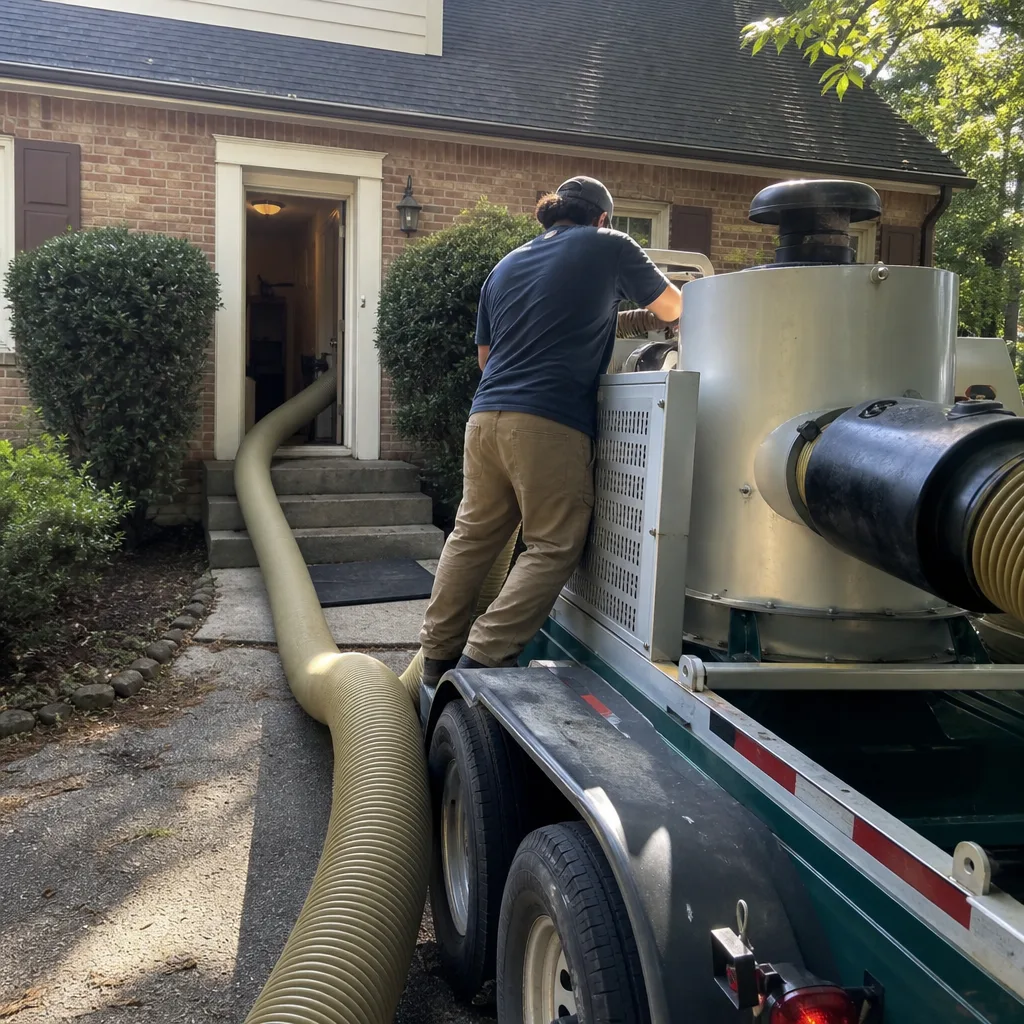
Not every professional service describes scope that genuinely exceeds what you could do yourself. Some quotes are for register cleaning and filter replacement at professional rates. Here’s How to Hire a Air Duct Cleaning Contractor in Johns Creek: A Step-by-Step Guide to distinguish real scope from vacuum noise.
Questions That Reveal Actual Capability
- “How many access points will you cut, and where?” Whole-system cleaning requires trunk line access, typically one per trunk or major branch. A quote that describes only register and return grille work is not whole-system cleaning.
- “What CFM does your extraction unit pull, and is it HEPA-filtered?” Professional negative-pressure units run 2,000+ CFM with HEPA final filtration. Shop vacuums and portable extractors do not.
- “Will you photograph inside every duct run before and after?” Documentation is the only verification that work reached what you cannot see. CleanRun’s Documented Photo Record on Every Visit - standard since 2013 - shows the inside of every run, delivered to the customer as part of the job record.
- “What agitation method do you use for flex duct versus hard pipe?” Different duct materials require different approaches. Rotating brushes damage flex duct; compressed air whips or skipper balls are appropriate. A technician who cannot specify the difference is not matching method to material.
- “Is the price per system or per vent?” Per-vent pricing incentivizes upselling and creates unpredictable final invoices. CleanRun’s written price per system, agreed before work starts under Haven Standard Clause 1, eliminates this variable.
- “What does your warranty cover, and for how long?” The 365-Day Done Right Promise - if the work is not right, we make it right, backed in writing - exceeds typical 30-day or 90-day policies. Ask for the specific language.
A legitimate professional quote for scope exceeding DIY capability will describe access point locations, extraction specifications, agitation methods matched to your duct types, photographic documentation, and a written, transferable warranty. Anything less is paying professional rates for DIY scope.
Honest Cost Comparison: DIY Investment vs. Professional Pricing in Johns Creek
Pricing transparency is central to the Haven Standard, so here’s what each approach actually costs.
DIY Investment
| Item | Cost Range |
|---|---|
| HEPA vacuum (if not owned) | $150-$400 |
| Register brush kit with extension rods | $25-$60 |
| Microfiber cloths, cleaning supplies | $15-$30 |
| Filter replacement (annual, 2-4 changes) | $40-$120 |
| First-year DIY total | $230-$610 |
| Ongoing annual (filters, supplies only) | $55-$150 |
The honest scope of this investment: registers, filters, accessible surfaces, and basic maintenance. It does not clean trunk lines, plenums, coils, or unreachable branch ducts.
Professional Air Duct Cleaning in Johns Creek
| Service Scope | Price Range |
|---|---|
| Whole-system cleaning, single HVAC system, standard home (under 3,500 sq ft) | $450-$750 |
| Larger home or dual-zone system | $700-$1,100 |
| Post-renovation or confirmed debris-heavy system | $600-$950 |
| Mold remediation or pest-intrusion protocol | $800-$1,500+ (requires assessment) |
These are Johns Creek market ranges for legitimate whole-system cleaning with negative-pressure extraction, access points, and documentation. Quotes below $300 for whole-system service typically describe register-level work only, or use portable equipment insufficient for trunk line cleaning.
The critical comparison is not DIY cost versus professional cost. It’s DIY scope versus professional scope, matched to your system’s actual condition. A $500 professional service that cleans what you cannot reach and documents the result is not comparable to $80 in DIY supplies that clean what you can.
CleanRun offers a Free Second Opinion on any written estimate - bring a competitor’s quote, and we’ll put our number next to it in writing, with scope clearly defined.
Common Mistakes to Avoid
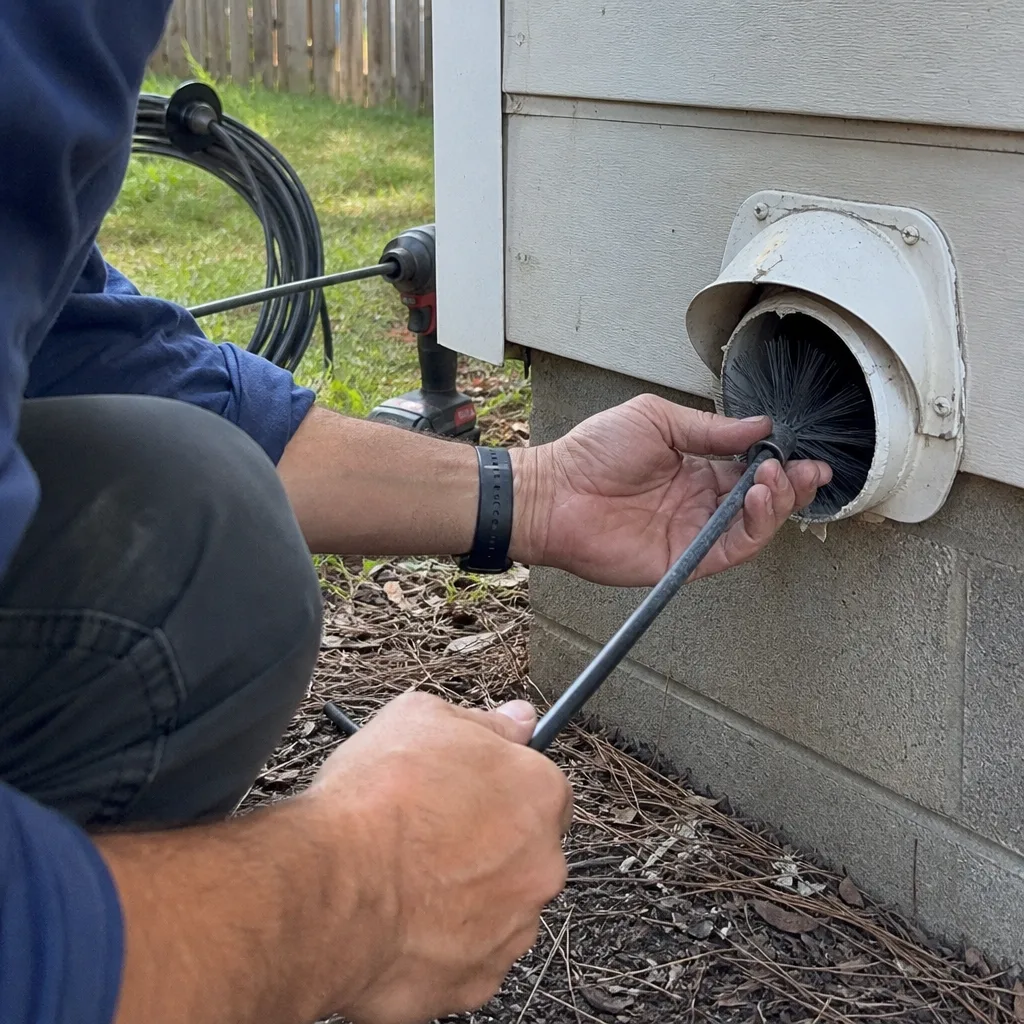
- Using a shop vacuum without HEPA filtration. Standard shop vacs exhaust fine particulate through the motor cooling path. You’re cleaning one area and polluting another. In Johns Creek’s pollen-heavy spring, this compounds existing allergen load.
- Agitating debris in trunk lines without extraction running. The redistribution problem described earlier. If you cannot create negative pressure at the point of agitation, don’t agitate.
- Cleaning registers but never checking the return side. The return system is typically dirtier than supply because it’s unfiltered intake air. Cleaning supply registers while ignoring a clogged return grille is polishing the exhaust pipe while the engine chokes.
- Assuming new construction means clean ducts. We’ve found construction debris in Johns Creek homes built in 2022 and 2023. Drywall dust, insulation scraps, and even food wrappers from construction crews accumulate during build-phase HVAC operation. “New” does not mean “clean.”
- Accepting per-vent pricing without understanding scope. A 12-vent home quoted at $49/vent becomes $588 before “required” sanitization, access fees, and equipment charges. The $79 coupon becomes $600+ on the invoice. Written price per system, agreed before work starts, is the only honest structure.
- Ignoring filter direction and fit. A filter installed backward or with bypass gaps (too small for the rack) loads the coil and ductwork with unfiltered air. The arrow on the filter frame points toward the blower - toward the unit, not toward the room.
- Cleaning ducts without addressing the moisture source. In Johns Creek’s humidity, mold returns within months if the condensate issue, duct leakage, or oversized cycling problem isn’t fixed. Cleaning is remediation, not prevention, when conditions remain favorable.
When to Call a Professional
Call a professional when your system’s condition exceeds your physical reach, when the scenario is one of the three non-negotiables above, or when you need documentation that work was actually performed to specification. In Johns Creek’s competitive home market, where resale inspection reports increasingly include HVAC condition notes, documented professional cleaning with photo verification protects property value.
CleanRun Air Duct Cleaning Johns Creek offers free estimates in Johns Creek - call (470) 326-1926. Every estimate includes written scope and price before any work begins, per Haven Standard Clause 1. Every completed job includes a Documented Photo Record of every duct run, before and after, delivered as part of your job record. The 365-Day Done Right Promise applies in writing, not as a verbal assurance.
For related services, see Dryer Vent Cleaning in Johns Creek and HVAC Cleaning in Johns Creek.
Frequently Asked Questions
Whole-system air duct cleaning for a typical Johns Creek home runs $450-$750 for a single system under 3,500 square feet, with larger or dual-zone homes ranging $700-$1,100. Post-renovation or debris-heavy systems may run $600-$950. Call (470) 326-1926 for a written estimate with exact scope - estimates are free, and the price is agreed before work starts.
Low quotes typically describe limited scope - register cleaning and vacuuming at accessible points, without trunk line access or negative-pressure extraction. The $79-$149 range in Johns Creek market advertising usually becomes significantly higher on arrival, with per-vent add-ons, “required” sanitization, and equipment fees. A written price per system, with scope defined, is the only comparable figure. CleanRun provides this under Haven Standard Clause 1.
Require photographic documentation of inside every duct run, before and after. CleanRun’s Documented Photo Record on Every Visit, standard since 2013, delivers this as part of the job record. Without photos, you’re trusting verbal assurance about work you cannot see. With photos, you have verifiable evidence.
For typical Johns Creek homes without pets, allergies, or recent renovation, every 3-5 years with consistent filter maintenance. Homes with multiple pets, residents with respiratory sensitivity, or properties near active construction (common in Johns Creek’s growth corridors) benefit from 2-3 year intervals. Post-renovation, immediate cleaning is advisable regardless of schedule.
A shop vacuum with HEPA filtration can effectively clean registers, the first 12-18 inches of accessible duct, and filter housings. It cannot create the negative pressure required to extract debris from trunk lines, plenums, or branch ducts beyond reach. Using a shop vacuum for whole-system cleaning redistributes debris rather than removing it.
Yes. Johns Creek’s hot, humid summers mean longer HVAC runtimes and higher moisture levels in attic and crawl space ductwork. The extended cooling season loads filters faster and creates more condensate, increasing coil and pan debris. Pollen season (March-May) adds significant particulate load. These factors suggest leaning toward the shorter end of recommended cleaning intervals.
The Bottom Line
DIY air duct cleaning has an honest, useful scope: registers, filters, and accessible surfaces maintained on a regular schedule. Professional cleaning has a different scope: trunk lines, plenums, coils, and whole-system extraction with documentation. The decision between them is not about trust or cost savings. It’s a physical assessment of whether what you can reach and extract matches what your system actually contains. For most Johns Creek homes, the answer is routine DIY maintenance plus professional whole-system cleaning every 3-5 years, with sooner intervention for post-renovation, mold, or pest scenarios. Explore our more guides & resources for additional home maintenance insights. Know what’s in your ducts, know what you can reach, and match the tool to the scope.
Written by Tomas Reyes, Owner at CleanRun Air Duct Cleaning Johns Creek, serving Johns Creek since 2013.