
Last updated September 23, 2026
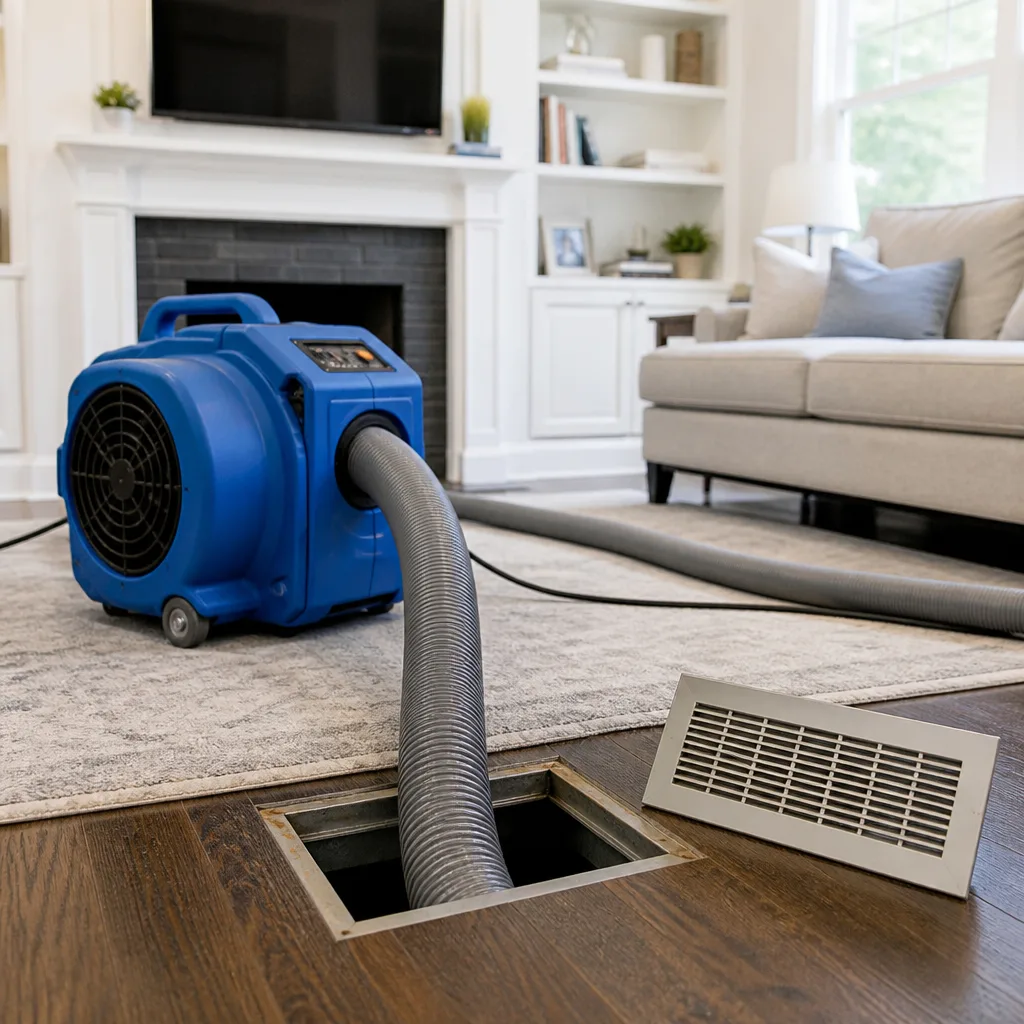
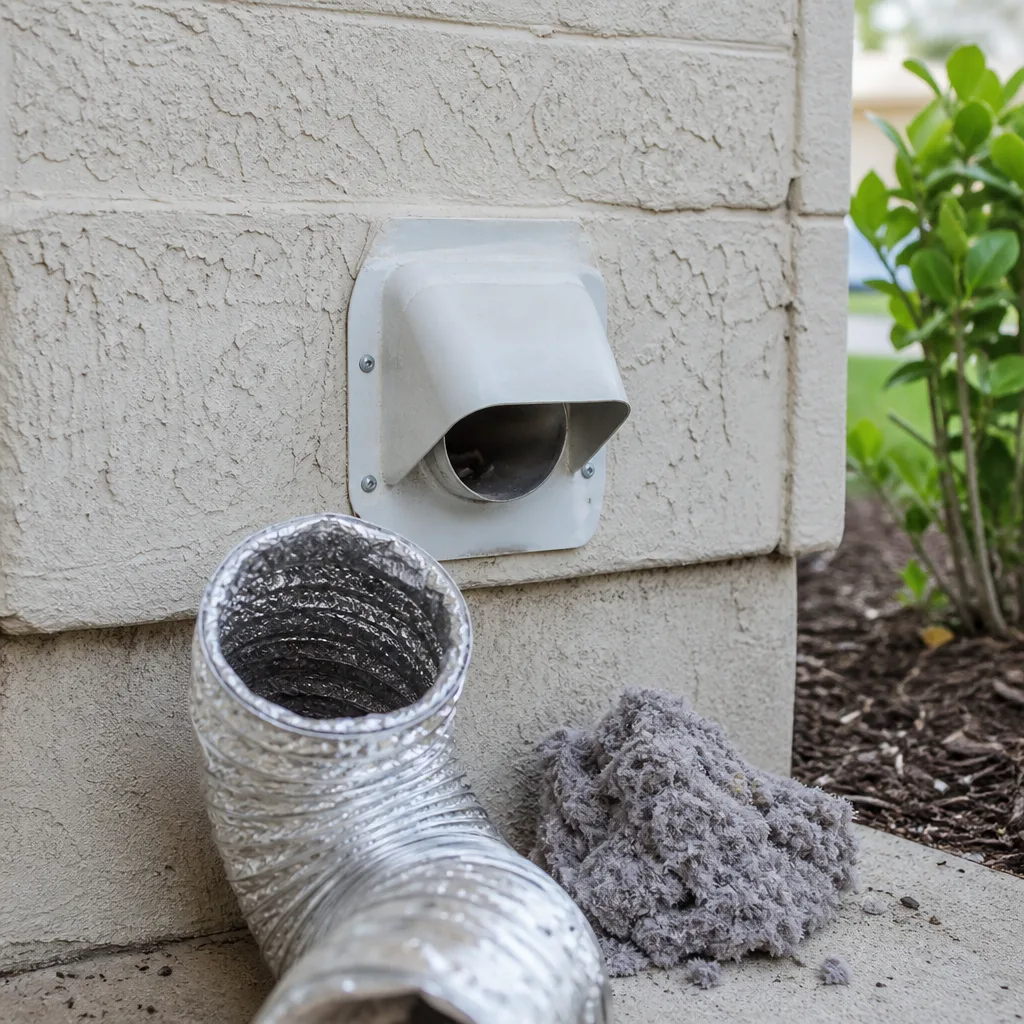
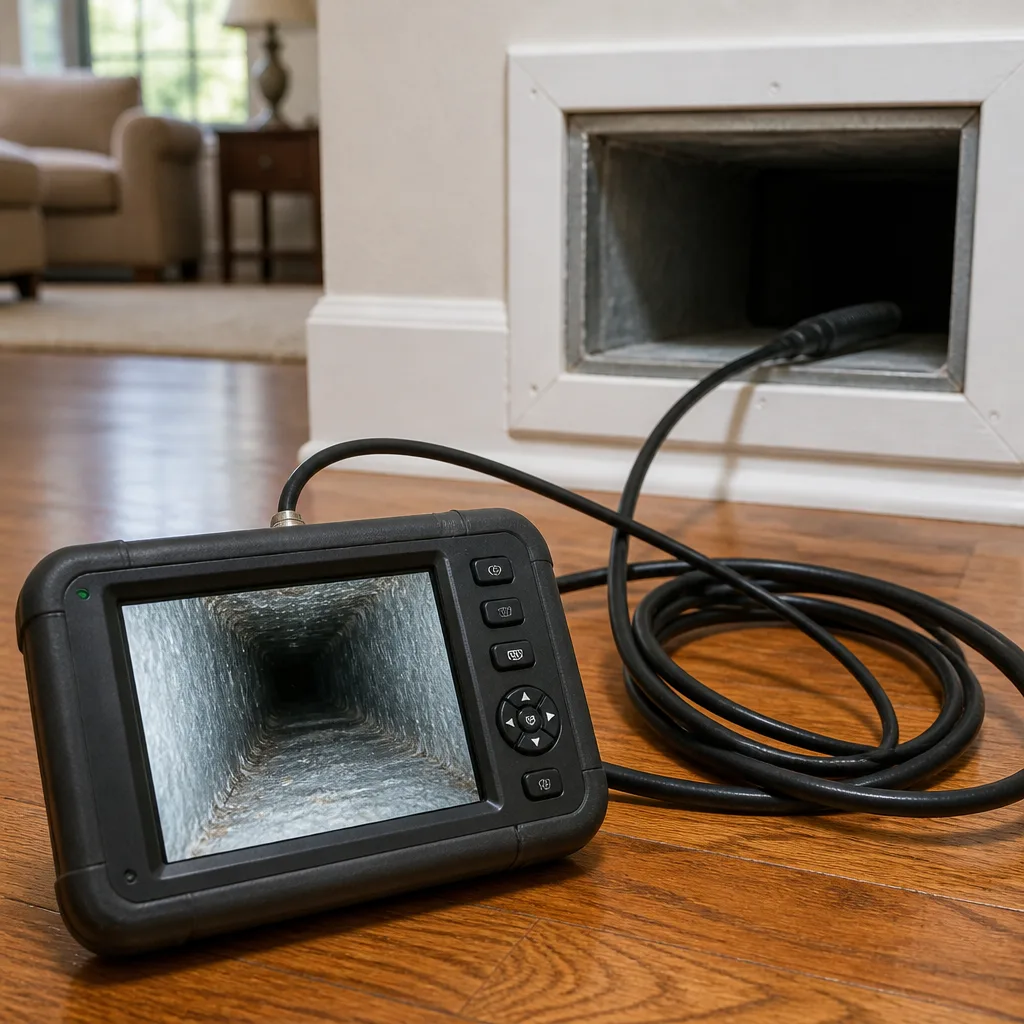
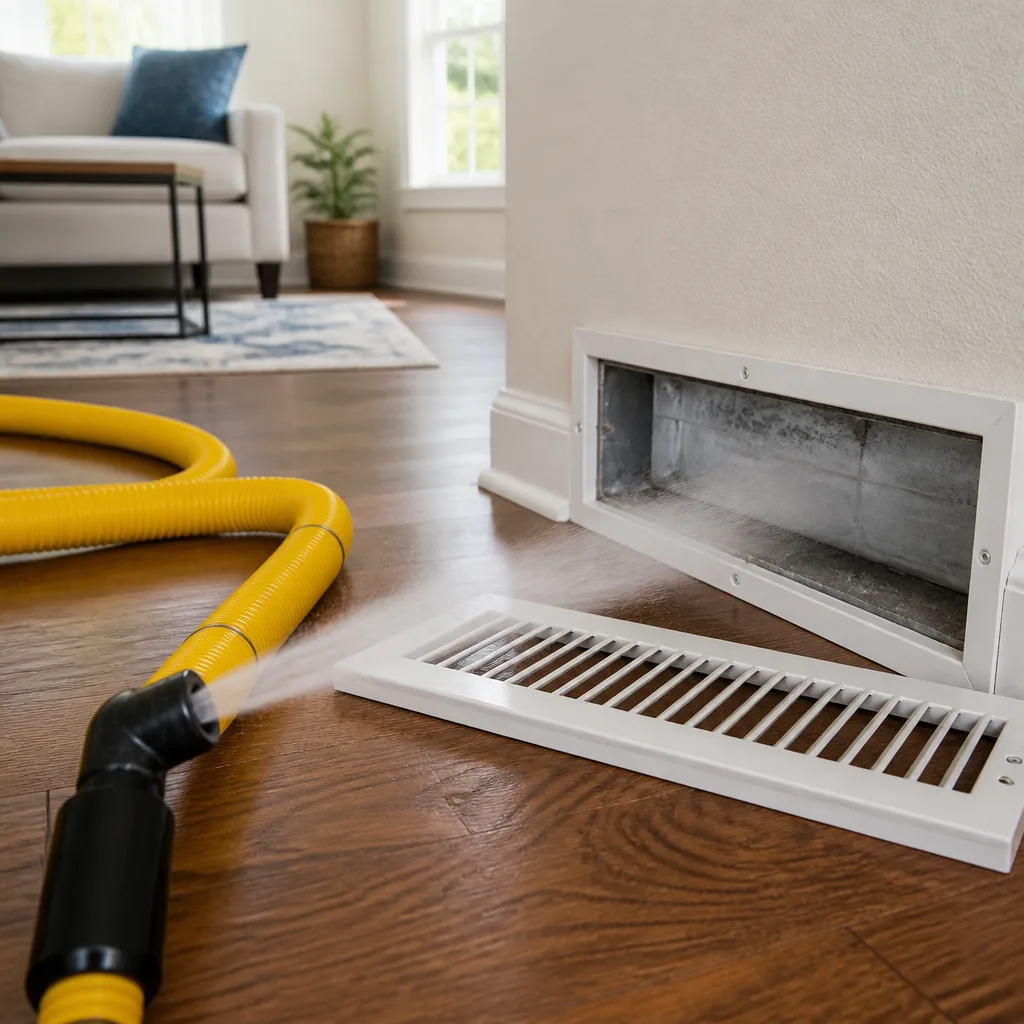
Whole-system duct and dryer vent check with before-and-after photos - you see exactly what came out of your vents
That "$99 whole-house special" is a bait ad - the real number appears once they are in your hallway, or the "clean" is a shop-vac at the register. We photograph the inside of your ducts before and after instead.
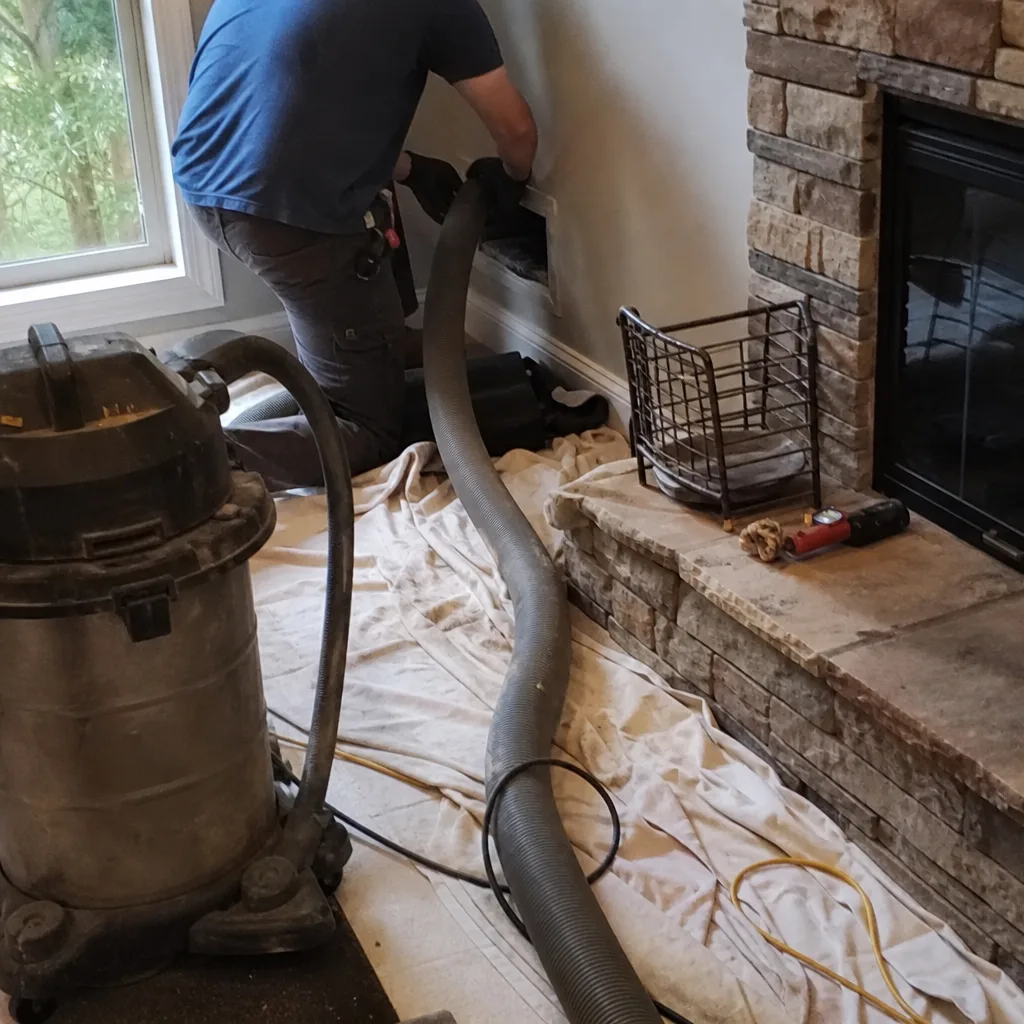 Before
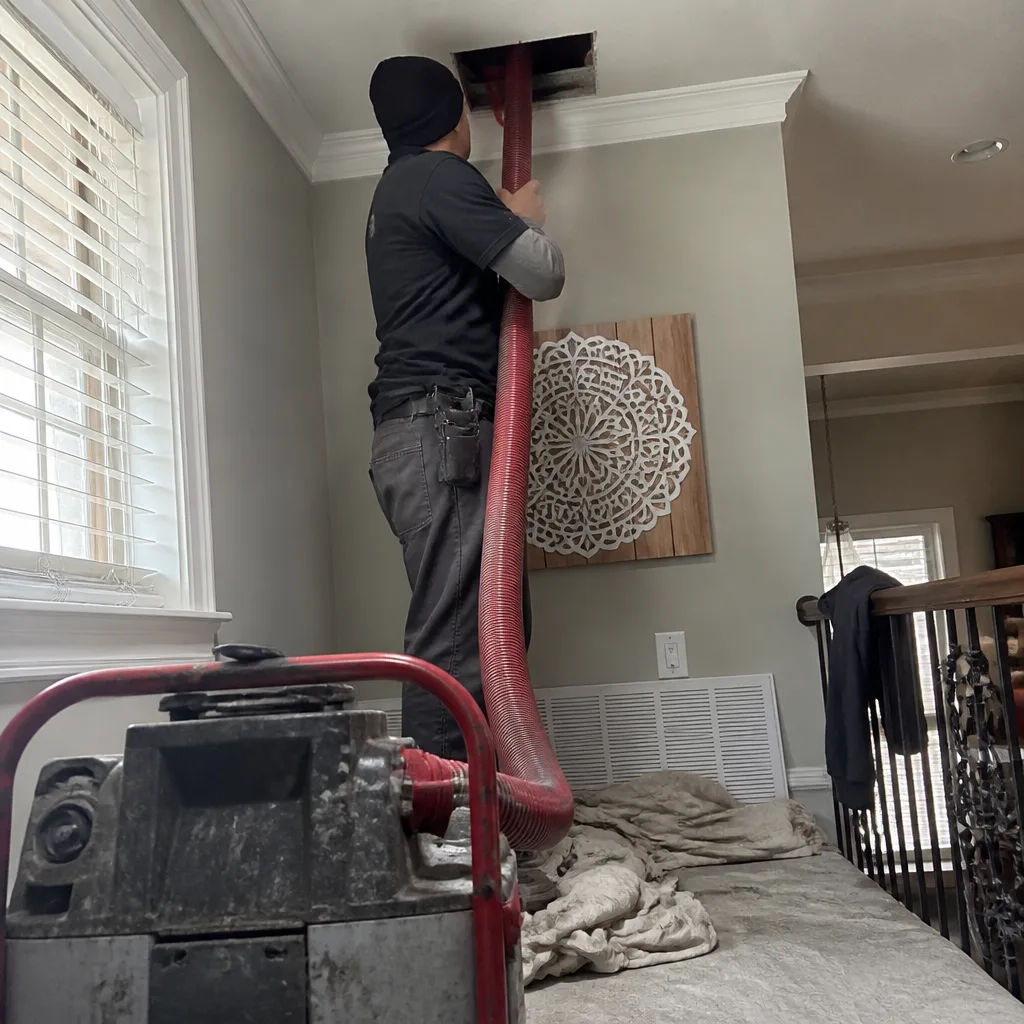 After
After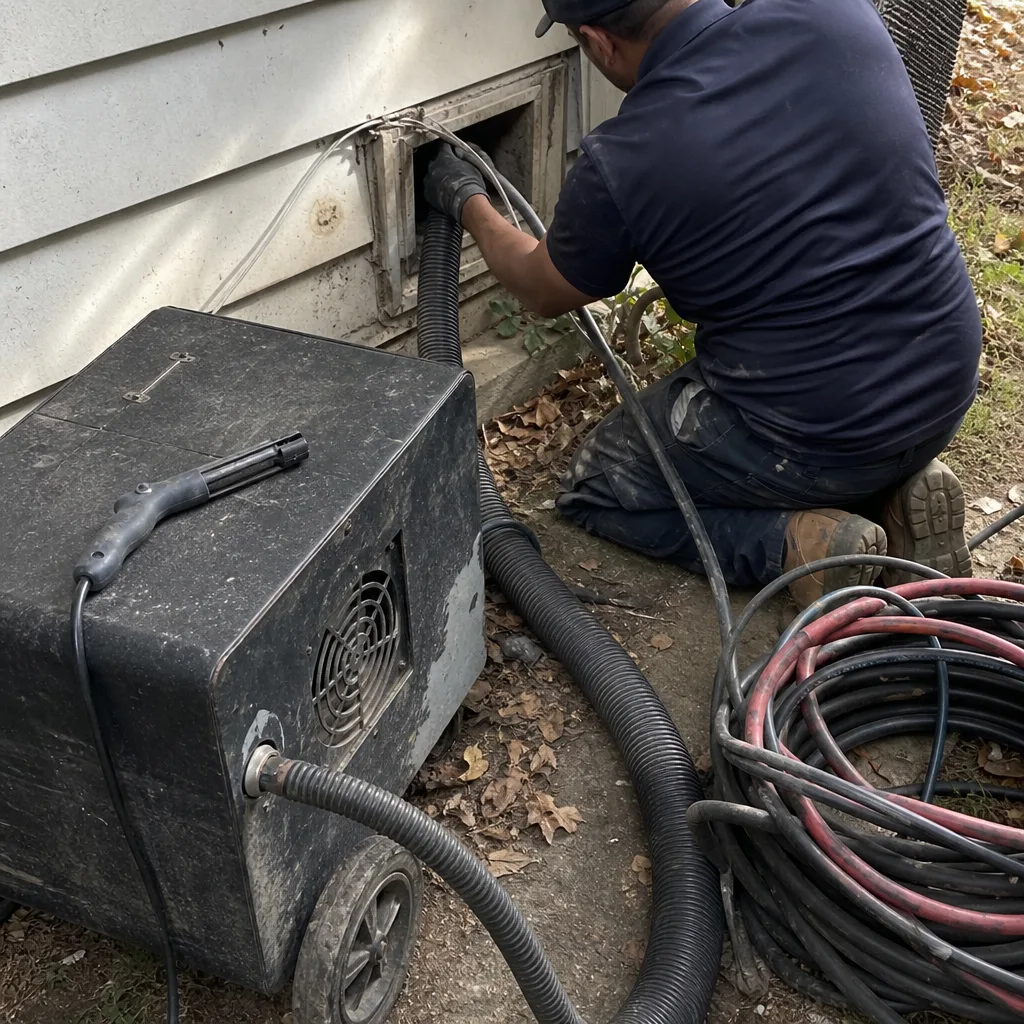 Before
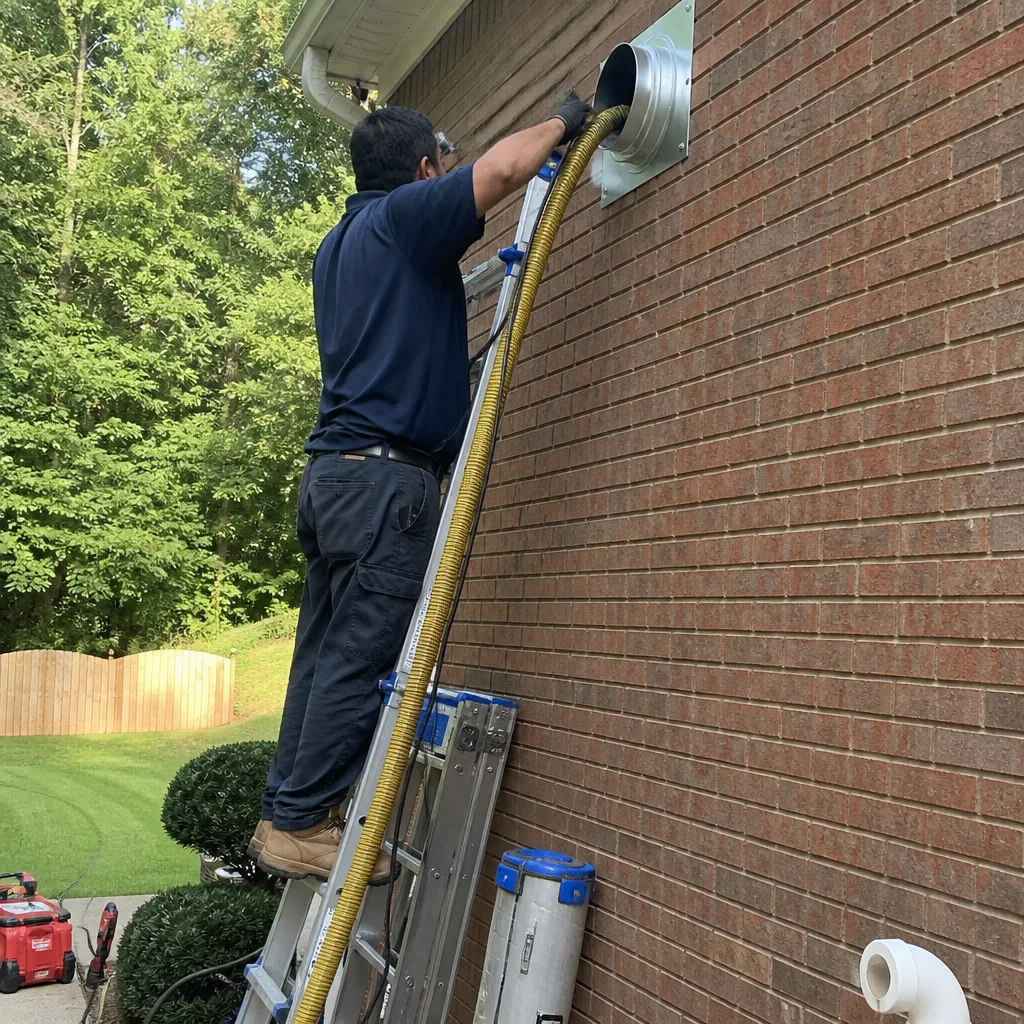 After
After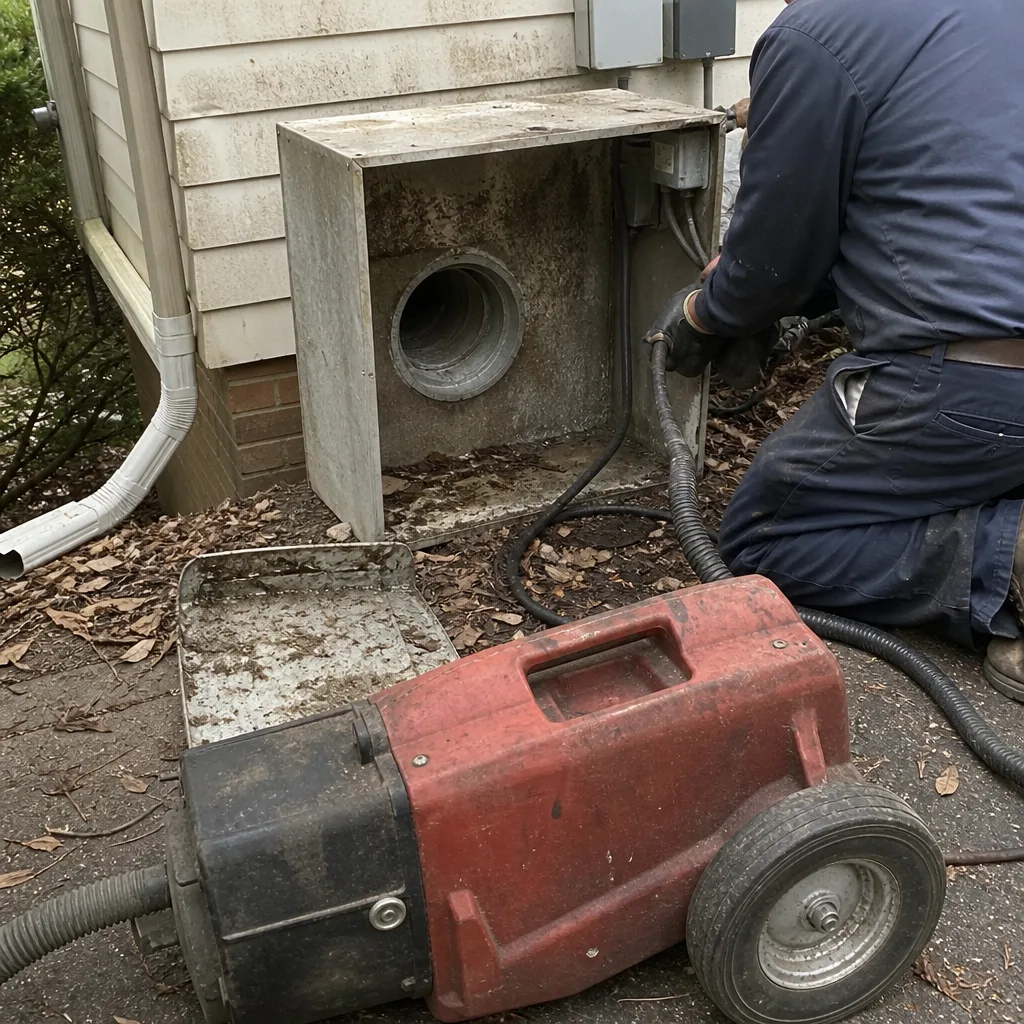 Before
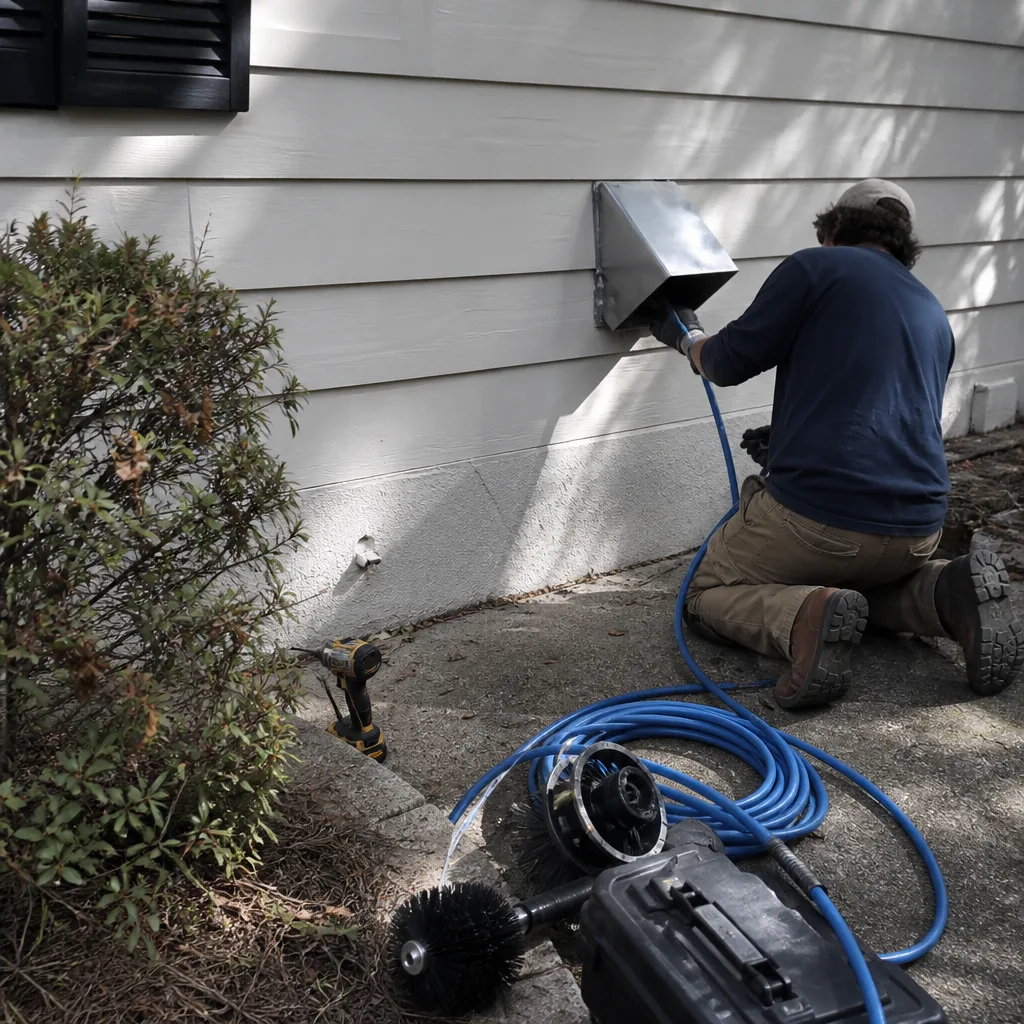 After
AfterAir Duct Cleaning Permits, Codes & Inspections in GA: What You Need to Know
Georgia’s mechanical code treats duct cleaning as a maintenance activity and duct repair as a construction activity - two different regulatory categories that most contractors and homeowners blur together, sometimes creating unpermitted improvements that surface during a home sale inspection. In Johns Creek, we’ve documented photo records from over 52,000 homes since 2013, and we’ve seen the aftermath: a routine cleaning reveals disconnected ductwork, a contractor patches it without pulling a permit, and two years later the buyer’s inspector flags the work and the deal stalls. This guide - alongside our The Complete Guide to Air Duct Cleaning in Johns Creek - explains where Georgia draws the line, what Johns Creek and Fulton County specifically require, and how to protect yourself from the liability that unpermitted duct modifications create.
Quick Answer
Air Duct Cleaning itself does not require a permit anywhere in Georgia because the state classifies it as routine maintenance. However, duct repair, duct replacement, or any modification to the HVAC distribution system - including sealing, rerouting, or resizing runs - typically requires a permit under the Georgia State Minimum Standard Mechanical Code. In Fulton County and the City of Johns Creek, this means a licensed mechanical contractor must pull the permit, and the work must pass inspection before the system operates.
Table of Contents
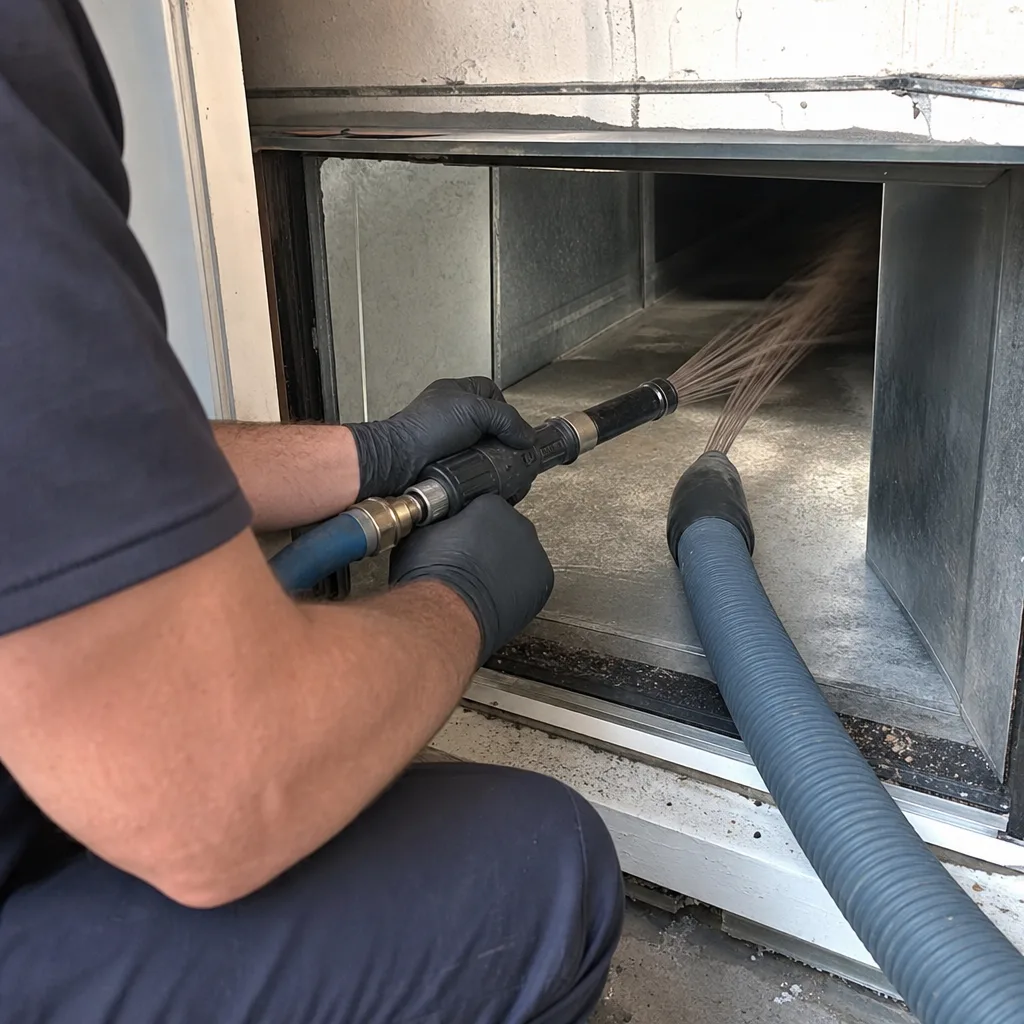
- Where Georgia Draws the Line: Maintenance vs. Alteration
- Johns Creek and Fulton County Permit Requirements
- Insurance, Liability, and Unpermitted Duct Work
- The Mold Remediation Overlay: When Cleaning Triggers More Rules
- How to Check Your Home’s HVAC Permit History
- What Your Cleaning Contractor Should Document
- Common Mistakes to Avoid
- When to Call a Professional
- Frequently Asked Questions
- The Bottom Line
BeforeAfterWhere Georgia Draws the Line: Maintenance vs. Alteration
The Georgia State Minimum Standard Mechanical Code, which adopts the International Mechanical Code with state amendments, distinguishes between three categories of work on HVAC systems. Understanding which category your job falls into determines whether you need a permit, a licensed contractor, and an inspection.
Category 1: Maintenance (No Permit Required)
This includes air duct cleaning, filter replacement, coil cleaning, and any work that does not alter the system’s design, capacity, or configuration. The code explicitly treats duct cleaning as maintenance because it restores the system to its existing condition without changing materials, routing, or airflow specifications. In our work across Johns Creek neighborhoods like Country Club of the South, St. Ives, and The Preserve, we routinely clean ductwork that hasn’t been serviced since the home was built in the 1990s or early 2000s. The cleaning removes accumulated debris but leaves every joint, seam, and register in its original position. No permit. No inspection. Just a documented photo record showing what was there and what was removed.
Category 2: Repair (Permit Usually Required)
Repair becomes alteration when it involves “replacement of a part of the system in a manner that changes the original design.” For ductwork, this includes:
- Replacing a damaged duct run with different materials (flex duct swapped for metal, or vice versa)
- Resizing any duct to address airflow complaints
- Sealing disconnected joints with methods that add structural support or change routing
- Installing new registers or relocating existing ones
- Adding or removing duct runs to serve a finished basement, attic conversion, or addition
The Johns Creek building department interprets this broadly. If our cleaning inspection finds a collapsed flex duct in a crawl space and we replace it, that’s a repair requiring a permit. If we find a disconnected return and reconnect it with a new starting collar, that’s also a repair requiring a permit. The distinction matters because unpermitted repair work voids manufacturer warranties on connected equipment and creates liability exposure if the system later fails.
Category 3: Installation/Replacement (Permit Required)
Complete system replacement, new construction duct installation, or any work that changes the heating or cooling capacity triggers full permitting and inspection. This is straightforward and rarely confused with cleaning.
The problem we see in Johns Creek is that many duct cleaning companies, especially those operating on the $79 coupon model, cross from Category 1 into Category 2 without realizing it. A technician finds a disconnected duct, “fixes” it with a zip tie and tape, and moves on. The homeowner believes they received good service. But if that connection later leaks, causes moisture damage, or contributes to a system failure, the lack of permit and inspection means no paper trail proving the work was done to code. Our Air Duct Cleaning in Johns Creek service includes a written scope that flags any repair needs separately from cleaning, with a clear statement about what requires permitting.
Johns Creek and Fulton County Permit Requirements
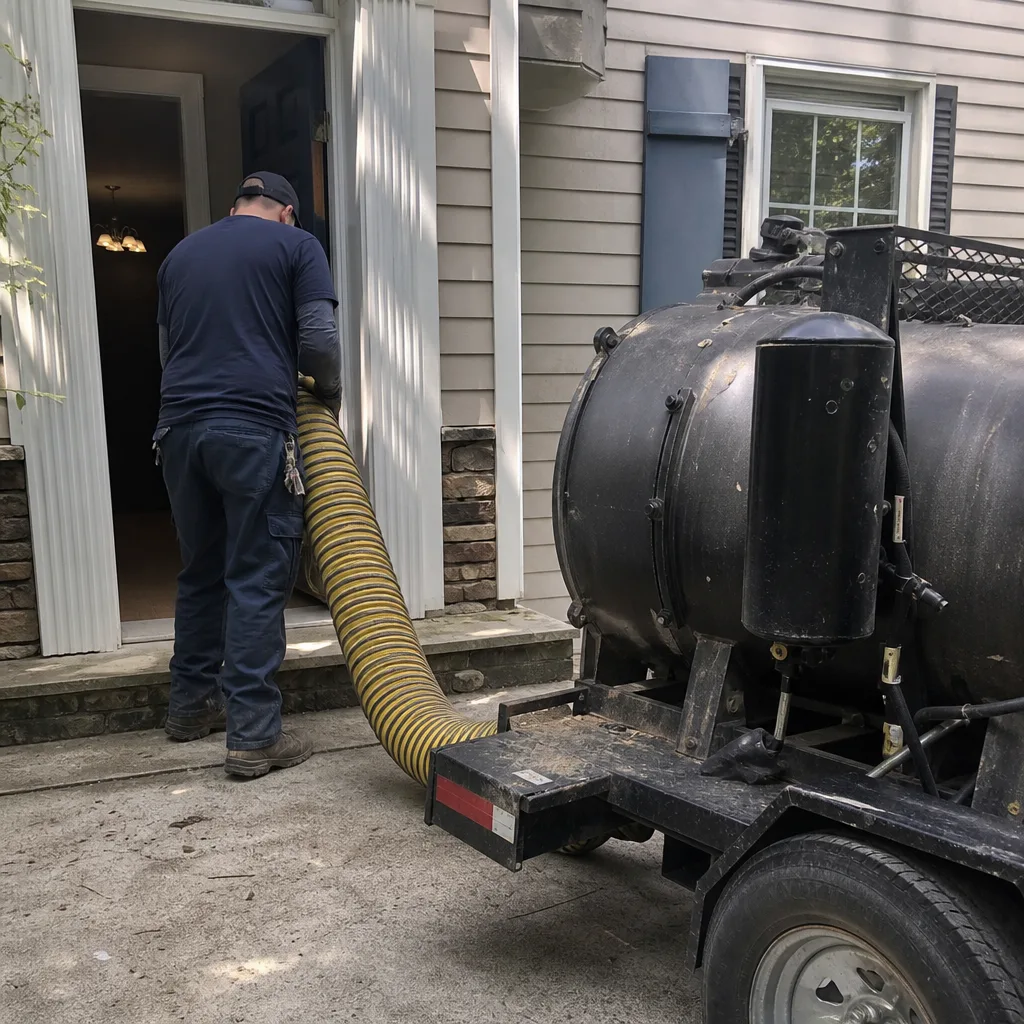
Fulton County operates under the Georgia State Minimum Standard Mechanical Code with local amendments. The City of Johns Creek, incorporated in 2006, maintains its own building department that processes permits for work within city limits. If your home sits in unincorporated Fulton County - common in areas near the Forsyth County line - you deal with Fulton County directly. If you’re inside Johns Creek city limits, which includes most of the 30022 and 30097 ZIP codes, you go through Johns Creek Community Development.
Johns Creek Specifics
The Johns Creek building department requires a mechanical permit for:
- Any ductwork modification, replacement, or repair that alters the original system design
- Duct sealing when performed as part of an HVAC system alteration (standalone duct sealing for energy efficiency may qualify as maintenance if no materials are replaced)
- Dryer vent replacement or rerouting (distinct from cleaning, which is maintenance)
- Installation of whole-house dehumidifiers or air purification equipment connected to ductwork
Permit fees in Johns Creek run approximately $100-$250 for residential mechanical work, depending on project value. The city requires a state-licensed mechanical contractor to pull the permit - homeowners cannot pull their own mechanical permits in Johns Creek for work that requires a licensed trade. Inspection typically occurs within 1-3 business days of request, and the system cannot operate until passed.
We’ve worked in Johns Creek since 2013, and we’ve learned that the city’s inspectors are particularly attentive to flex duct support and sealing methods. The humid subtropical climate here - hot, humid summers with frequent afternoon thunderstorms - creates condensation risks in crawl spaces and attics that inspectors know to check. A duct run lying on crawl space gravel, or flex duct stretched tight without proper support intervals, will fail inspection. Our crews document existing conditions with photos before any repair recommendation, so homeowners can see exactly what the inspector will see.
Fulton County Unincorporated Areas
Fulton County’s building department serves areas outside city limits. Their mechanical permit requirements mirror Johns Creek’s for ductwork, but processing times can run longer - typically 3-5 business days for inspection. The county also requires contractor licensing verification at permit application, so if you’re in unincorporated Fulton and need duct repair, verify your contractor’s license through the Georgia Secretary of State’s office before work begins.
For Dryer Vent Cleaning in Johns Creek, the permit line is cleaner: cleaning is maintenance, replacement is repair. If our inspection finds a foil transition duct or damaged venting that needs replacement, we flag it as a separate scope requiring permit and licensed installation.
Insurance, Liability, and Unpermitted Duct Work
This is where the maintenance-vs.-alteration distinction becomes expensive. Homeowner’s insurance policies in Georgia contain standard provisions that limit or deny coverage for damage resulting from unpermitted work, particularly when that work involves systems that affect fire safety or moisture control.
Scenario 1: The Duct Fire
A homeowner in Johns Creek’s Medlock Bridge area has a routine cleaning performed - one of the scenarios covered in our Air Duct Cleaning Warning Signs: A Johns Creek Homeowner’s Reference Guide. The technician finds a disconnected return duct in the attic and reconnects it with duct tape (not code-compliant for permanent repairs). Two years later, a loose electrical connection in the air handler generates heat, the modified ductwork configuration restricts airflow, and a fire starts in the attic. The insurance adjuster requests permit history for the HVAC system. No permit exists for the duct modification. The claim is denied or reduced based on the unpermitted alteration contributing to the loss.
We’ve seen this pattern in documented photo records from homes we’ve subsequently serviced. The previous “repair” was invisible until we opened the system. Our written scope under Haven Standard Clause 1 separates cleaning from repair precisely to prevent this liability chain.
Scenario 2: The Moisture Claim
Johns Creek’s clay-heavy soils and high water table create crawl space moisture issues even in well-built homes. A cleaning contractor replaces a damaged duct run with new flex duct but doesn’t properly seal the crawl space penetration. Humid air infiltrates, condensation forms on duct surfaces, and mold spreads to floor joists. The homeowner files a mold claim. The insurance company pulls permit history, finds none for the duct replacement, and denies the claim as resulting from unpermitted, uninspected work.
Scenario 3: The Home Sale Stall
This is the most common unpermitted-work surprise we encounter. A Johns Creek homeowner lists their property in a market where median sale prices exceed $600,000. The buyer’s inspector notes new ductwork in the attic, checks permit history, and finds no record. The closing is delayed or renegotiated while the seller retroactively permits the work - if it can meet code as installed - or removes and replaces it. In a competitive market, this can cost the sale entirely.
Our HVAC Cleaning in Johns Creek service includes a system condition report that notes any visible modifications and their permit status. If we find unpermitted work from a previous contractor, we document it in writing so the homeowner has advance warning before listing.
The Mold Remediation Overlay: When Cleaning Triggers More Rules
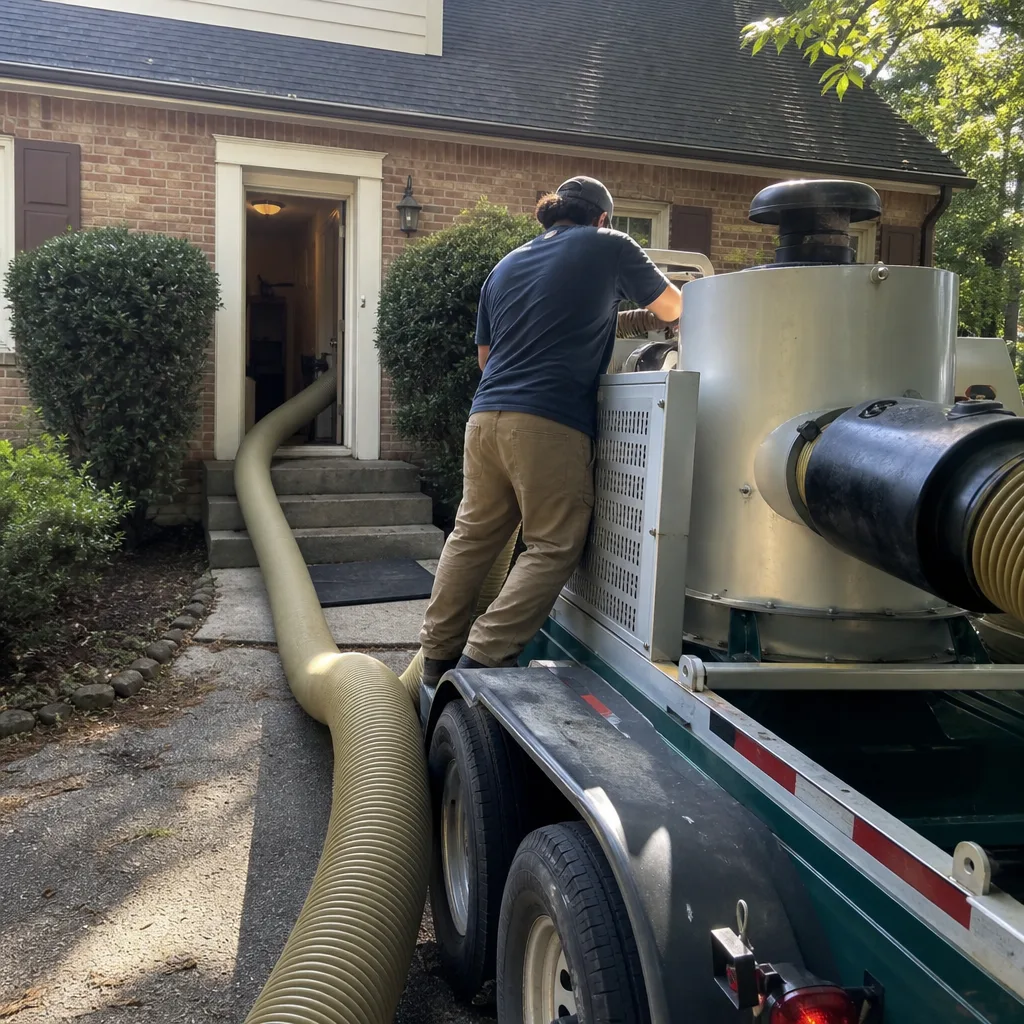
Air duct cleaning sometimes reveals mold growth inside the system. In Georgia, this triggers a separate regulatory framework that operates alongside mechanical code requirements.
The Georgia Department of Community Affairs (DCA) publishes guidelines for mold assessment and remediation that, while not codified as mandatory state law, are referenced by Fulton County and Johns Creek environmental health departments. More importantly, the Georgia Mold Protection Act of 2005 requires that mold remediation projects exceeding 10 square feet in an occupied building be performed by a licensed mold remediator - and this includes ductwork when the affected area meets the threshold.
How the Threshold Applies to Ductwork
Calculating “square footage” in ductwork is not intuitive. The DCA guidance interprets the threshold based on visible mold growth on accessible interior surfaces. In practice, this means:
- Light surface mold on a few registers: typically below threshold, can be addressed during standard cleaning with appropriate antimicrobial treatment
- Substantial growth visible through multiple duct runs via camera inspection: may exceed threshold, requiring licensed mold remediator involvement
- Mold in the plenum (the central distribution box) or air handler cabinet: often exceeds threshold due to surface area and system integration
The plenum is the sheet metal box that connects your air handler to the duct runs - it’s where all conditioned air mixes before distribution. Mold here affects every room served by the system, and its surface area often pushes projects over the 10-square-foot threshold.
In Johns Creek, we’ve found that homes built during the 2005-2010 construction boom - common in neighborhoods like Rivermont and Thornhill - are particularly prone to plenum mold issues. The rapid construction pace during that period sometimes resulted in poorly sealed attic ductwork, and the region’s high summer humidity (average July relative humidity exceeds 75%) creates sustained condensation conditions. Our Rotobrush and Nikro equipment includes camera systems that let us show homeowners exactly what we’re seeing inside the plenum, so the threshold determination is based on documented evidence rather than speculation.
The Remediation Permit Connection
When mold remediation exceeds the threshold and requires a licensed remediator, that work may also trigger mechanical permitting if it involves duct removal or replacement. The two regulatory streams - environmental health and mechanical code - run parallel. A homeowner might need:
- A mold assessment by a licensed assessor (separate from remediator, per Georgia law)
- A remediation plan approved by the assessor
- Mechanical permits for any ductwork removed or replaced during remediation
- Post-remediation clearance testing
- Mechanical inspection of any replaced ductwork
Our documented photo record becomes critical in these cases. The before photos establish the mold condition, the cleaning photos show what was removed, and any repair recommendations are scoped separately with permit requirements noted. Homeowners in Johns Creek can use this documentation when engaging licensed assessors and remediators, ensuring the chain of evidence supports their insurance or disclosure needs.
How to Check Your Home’s HVAC Permit History
Before hiring any contractor for duct work that might cross into repair or modification, verify your system’s permit history. This is free, takes under 10 minutes, and reveals whether previous owners or contractors left unpermitted work that could affect your next project.
Step 1: Identify Your Jurisdiction
Enter your address at the CleanRun Air Duct Cleaning Johns Creek home page or check directly: Johns Creek properties use the city’s Community Development portal; unincorporated Fulton County properties use the county’s online permit lookup. If you’re unsure whether you’re in city limits, the Johns Creek website has a “City Limits” lookup tool by address.
Step 2: Search Permit Records
Johns Creek’s permit search is at johns-creek.ga.us/departments/community-development. Search by property address or parcel ID. Look for permits with these type codes:
- MECH or M: Mechanical permits (HVAC and ductwork)
- REM: Remodel permits that included mechanical work
- NEW or BLD: New construction (original system permit)
Fulton County uses a similar system at fultoncountyga.gov, though the interface is less intuitive. Search by address in their “Permit & Inspection” portal.
Step 3: Review Permit Details
Each permit record shows the contractor who pulled it, the scope of work described, issue date, and inspection results. Look for:
- Gaps between original construction and any subsequent mechanical permits - unpermitted work may have occurred
- Permits with no final inspection recorded - work may be incomplete or non-compliant
- Contractor names you don’t recognize - previous owners may have used unlicensed operators
Step 4: Verify Contractor Licenses
For any permit you find, verify the contractor’s license is current through the Georgia Secretary of State’s Professional Licensing Boards division. The license category for HVAC and mechanical work is “Conditioned Air Contractor” (CC) or “Master Plumber/Gas Fitter” for gas-fired systems. A permit pulled by an unlicensed contractor is invalid regardless of inspection status.
Step 5: Document and Disclose
If you’re planning to sell, gather permit records as part of your disclosure package. If you’re buying, request permit history as a contingency item. In Johns Creek’s competitive market, sellers who proactively document their HVAC permit history distinguish their listings.
We’ve had Johns Creek homeowners bring us permit histories that show no mechanical permits since original construction in 1998 - yet our camera inspection reveals clearly modified ductwork. This discrepancy becomes a negotiating point in sale transactions, and our documented photo record provides independent verification of what exists versus what was permitted.
What Your Cleaning Contractor Should Document
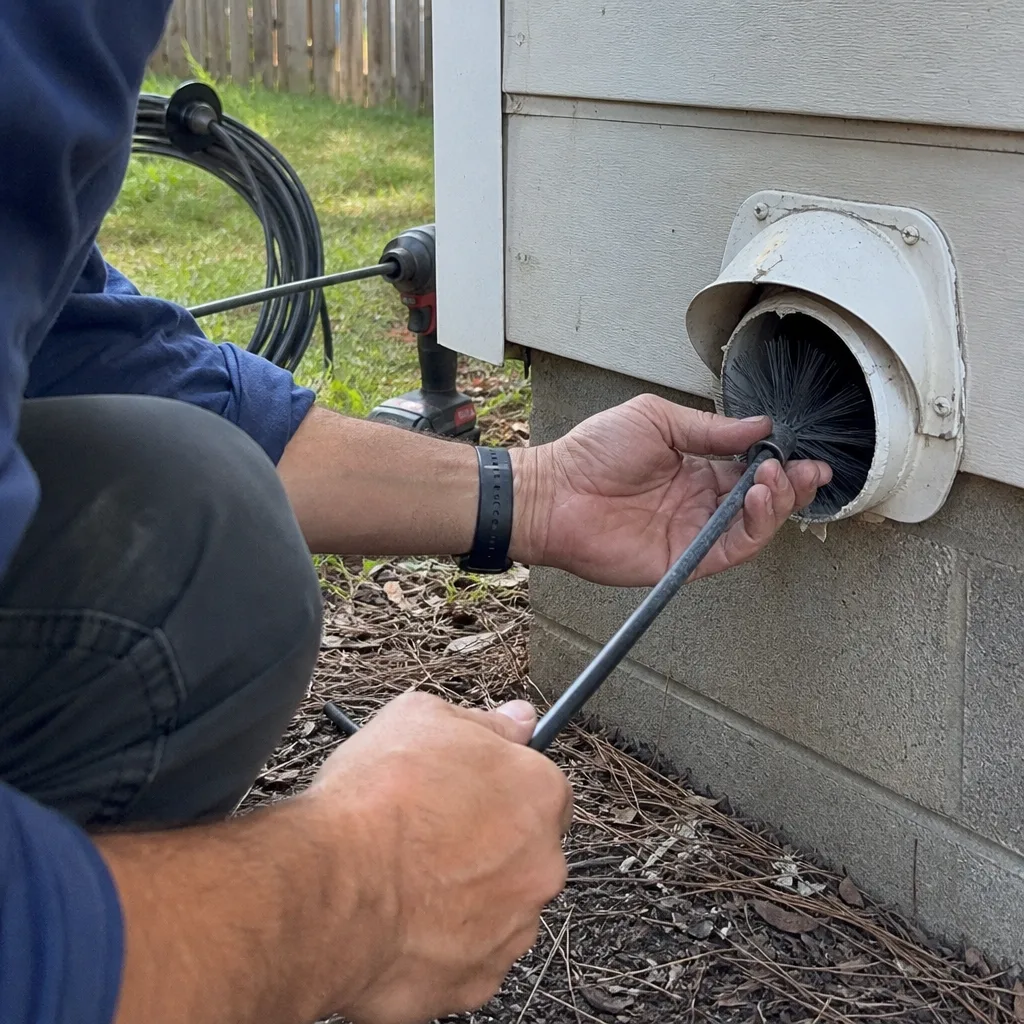
Even when no permit is required for cleaning, the documentation you receive matters for future permitting, insurance claims, and home sales. Here’s what a properly documented cleaning job should include, based on what we deliver under the H.A.V.E.N. Standard.
The Written Scope (Haven Standard Clause 1)
Before any panel comes off, you should receive a written description of:
- The number and type of duct runs to be cleaned
- The cleaning method (negative-pressure extraction, mechanical brushing, or combined)
- Equipment to be used (we specify Rotobrush, Nikro, or other trade-recognized brands by model)
- Any visible conditions that suggest repair needs, with a clear statement that these are separate from cleaning
- The total price for cleaning only, with repair work scoped separately if needed
No “call for a quote.” No price ranges that balloon on arrival. One flat price per system, in writing, before work starts.
The Documented Photo Record
Every duct run, before and after. This is not a marketing extra; it’s a standard deliverable that serves multiple purposes:
- Proves the work occurred (addresses the common customer question: “How do I know they actually cleaned anything?”)
- Establishes baseline condition for future comparison
- Documents any damage, mold, or modifications found during cleaning
- Supports insurance claims if system issues arise later
- Provides evidence in permit disputes or home sale negotiations
Our photo records since 2013 have helped Johns Creek homeowners prove to insurers that pre-existing mold conditions were documented before they purchased, and they’ve helped sellers demonstrate that their ductwork was professionally maintained.
The System Condition Report
Beyond photos, a narrative report noting:
- Material types observed (flex duct, metal duct, duct board)
- Visible modifications or non-standard installations
- Sealant types and conditions at joints
- Insulation condition and R-value if visible
- Recommendations for repair, replacement, or further evaluation
If repair is recommended, the report should specify whether permitting is required and whether the cleaning contractor is qualified to perform that work. At CleanRun, we clean and we repair - but we separate the scopes and pull permits when repair crosses into alteration. Our Honeywell and Aprilaire air quality equipment installations similarly trigger permitting when they modify system airflow or capacity.
The Warranty Documentation
Our 365-Day Done Right Promise is provided in writing on every job, not as a webpage claim. For cleaning, this covers workmanship: if debris remains in a cleaned run, we return and correct it. For repair work performed under permit, the warranty runs alongside the inspection record, creating a complete paper trail.
Common Mistakes to Avoid
- Assuming “cleaning and sealing” packages are pure maintenance. Many Johns Creek homeowners purchase bundled services without realizing that duct sealing with aerosolized products or tape applications can constitute alteration under the mechanical code. Ask specifically whether sealing requires permitting.
- Letting a cleaner perform “minor repairs” without permit verification. The technician who reconnects a loose duct run may be crossing into licensed mechanical work. In Georgia, duct repair requires a Conditioned Air Contractor license. Verify before authorizing.
- Neglecting to check permit history before a home sale. Johns Creek buyers in the $600K+ bracket increasingly request permit documentation. Unpermitted duct modifications discovered during inspection become leverage for price reduction or deal cancellation.
- Assuming mold in ducts is always a cleaning issue. Georgia’s mold threshold can trigger licensed remediation requirements that cleaning contractors are not qualified to perform. Attempting to clean substantial mold without proper containment can spread spores throughout the home.
- Accepting verbal assurances about permit requirements. A contractor who says “this doesn’t need a permit” without referencing the specific code section is guessing. Request the citation: Georgia State Minimum Standard Mechanical Code, Chapter 1, Section 106, with local amendments.
- Failing to document pre-existing conditions. If your cleaning reveals unpermitted work from a previous owner, without documentation you have no evidence of when the work was discovered or by whom. The photo record protects you.
- Using coupon services that blur scopes. The $79 duct cleaning model relies on upselling repairs discovered during the visit. These repairs are often performed immediately, without permitting, by technicians whose qualifications are unclear. The written scope separation we use prevents this.
When to Call a Professional
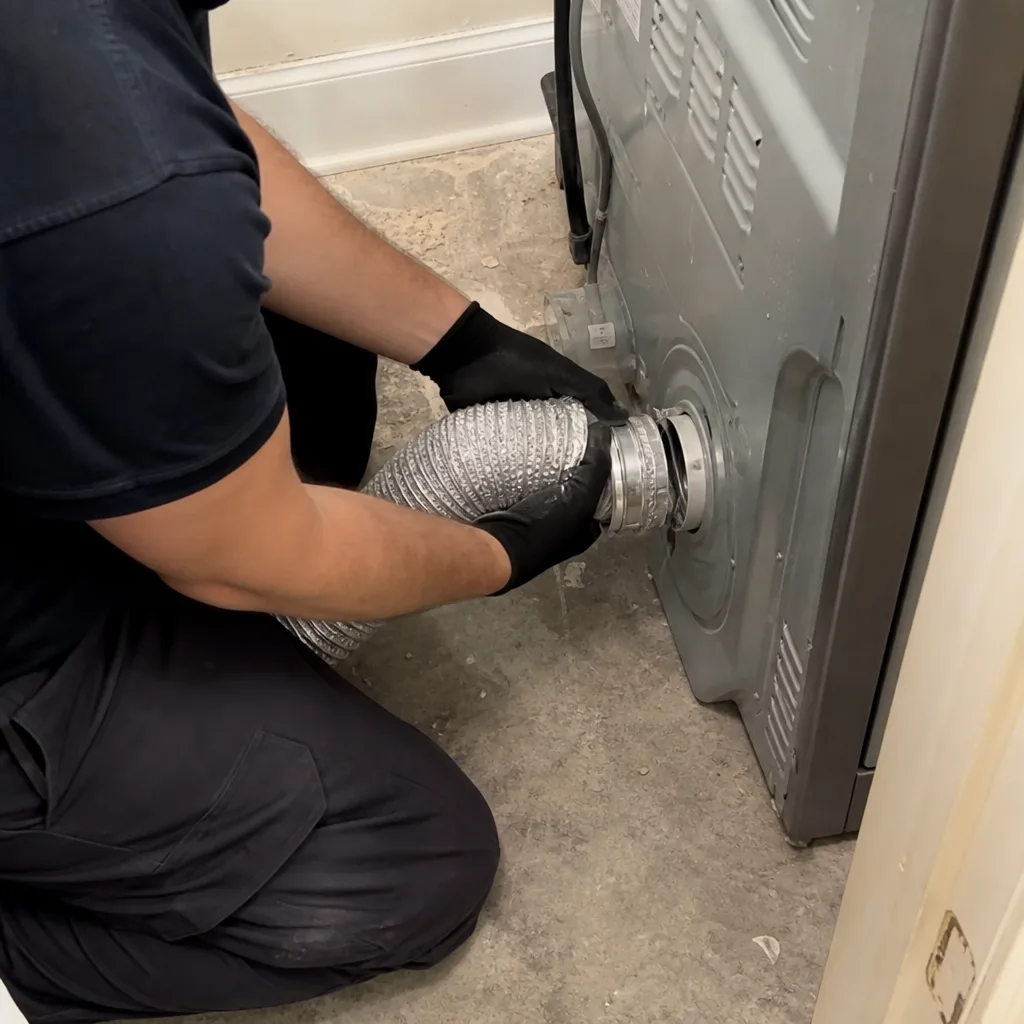
Call a licensed mechanical contractor when your duct cleaning reveals damage, disconnection, or modifications that require repair or replacement. Call a licensed mold assessor when visible mold exceeds 10 square feet or affects the plenum or air handler. Call your local building department when you’re unsure whether proposed work requires a permit - Johns Creek Community Development answers questions by phone, and a 5-minute call prevents weeks of problems later.
CleanRun Air Duct Cleaning Johns Creek offers free estimates in Johns Creek - call (470) 326-1926. Every estimate includes a written scope under Haven Standard Clause 1, with cleaning and repair work separated and permit requirements noted. Our documented photo record is included on every visit, and our 365-Day Done Right Promise applies to everything we perform. If you’re comparing quotes, bring any competitor’s written estimate; we’ll provide a Free Second Opinion in writing, line item by line item.
Frequently Asked Questions
No. Air duct cleaning is classified as routine maintenance under the Georgia State Minimum Standard Mechanical Code and does not require a permit in Johns Creek, Fulton County, or anywhere in Georgia. However, if your cleaning contractor discovers damage and proposes repair or replacement of ductwork, that repair work typically requires a mechanical permit and must be performed by a licensed contractor. Call (470) 326-1926 for a cleaning estimate that separates maintenance from any repair needs.
Mechanical permit fees in Johns Creek typically range from $100 to $250 for residential duct repair or modification, depending on the project value and scope. This fee is separate from contractor labor and is paid to the city at permit application. The permit includes at least one inspection, with additional inspections if the work initially fails. A licensed mechanical contractor must pull the permit; homeowners cannot pull their own permits for this work category in Johns Creek.
Unpermitted duct work can delay or derail a home sale when the buyer’s inspector requests permit history and finds gaps. In Johns Creek’s market, where homes often sell above $600,000, buyers and their lenders are increasingly thorough about code compliance. The seller may need to retroactively permit the work (if it meets current code), remove and replace it with permitted work, or accept a price reduction. Documenting your system’s condition with a professional photo record before listing helps you identify and address issues proactively.
Some duct cleaning companies, including CleanRun, are licensed to perform both cleaning and repair work. The key question is whether the company holds a Georgia Conditioned Air Contractor license and whether they pull permits for repair work that requires it. Always verify licensing through the Georgia Secretary of State and ask specifically about permit procedures before authorizing any work beyond maintenance cleaning. Our crews operate under Haven Standard Clause 3: Verified Crews, with license numbers published and background checks completed.
Check your home’s permit history through the Johns Creek Community Development portal or Fulton County’s permit lookup, searching by your address. Look for mechanical permits (MECH or M codes) and compare against any visible modifications to your system. If you find ductwork that looks newer than the permit record suggests, or if the configuration doesn’t match original construction plans, unpermitted work may exist. Our cleaning inspections include documentation of any modifications found, with recommendations for verification.
Not always. Light surface mold on accessible components, totaling less than 10 square feet, can often be addressed during professional cleaning with appropriate antimicrobial treatment. However, substantial mold growth visible across multiple duct runs, or mold in the plenum or air handler, typically exceeds Georgia’s threshold and requires a licensed mold assessor and remediator. Our camera inspection provides the documentation needed to make this determination based on evidence rather than guesswork. Call (470) 326-1926 to schedule an inspection with photo documentation.
The Bottom Line
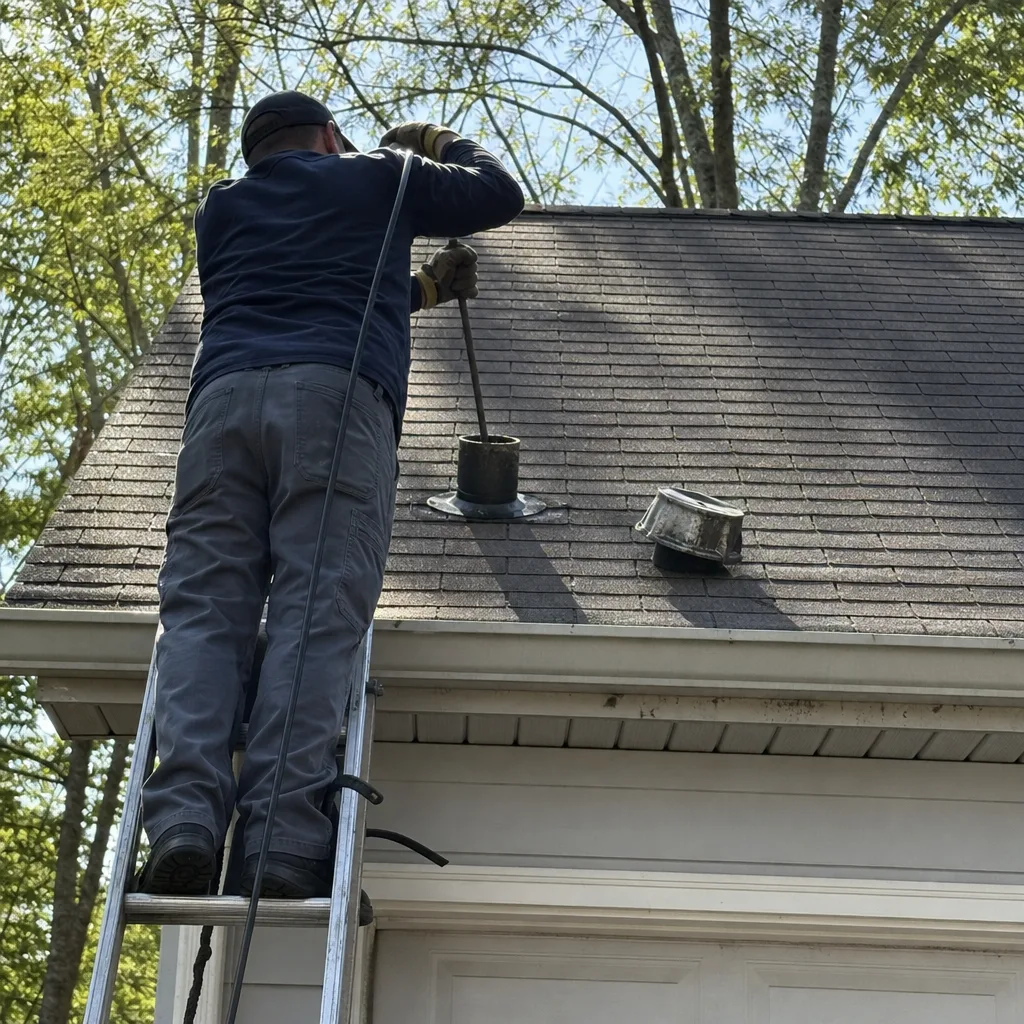
Georgia’s mechanical code draws a clear line that many contractors ignore: cleaning is maintenance, repair is construction, and only one of those categories requires a permit. In Johns Creek and Fulton County, this distinction affects your insurance coverage, your home sale prospects, and your system’s warranty status. The documented photo record we deliver on every job - showing what was found, what was done, and what requires further action - gives you the evidence to navigate these requirements. Before you hire any duct contractor, verify their license, request their permit procedure in writing, and insist on documentation that separates maintenance from alteration. The paper trail you create today prevents the problems that surface at the worst possible moment.
Written by Tomas Reyes, Owner at CleanRun Air Duct Cleaning Johns Creek, serving Johns Creek since 2013.