
Last updated September 23, 2026
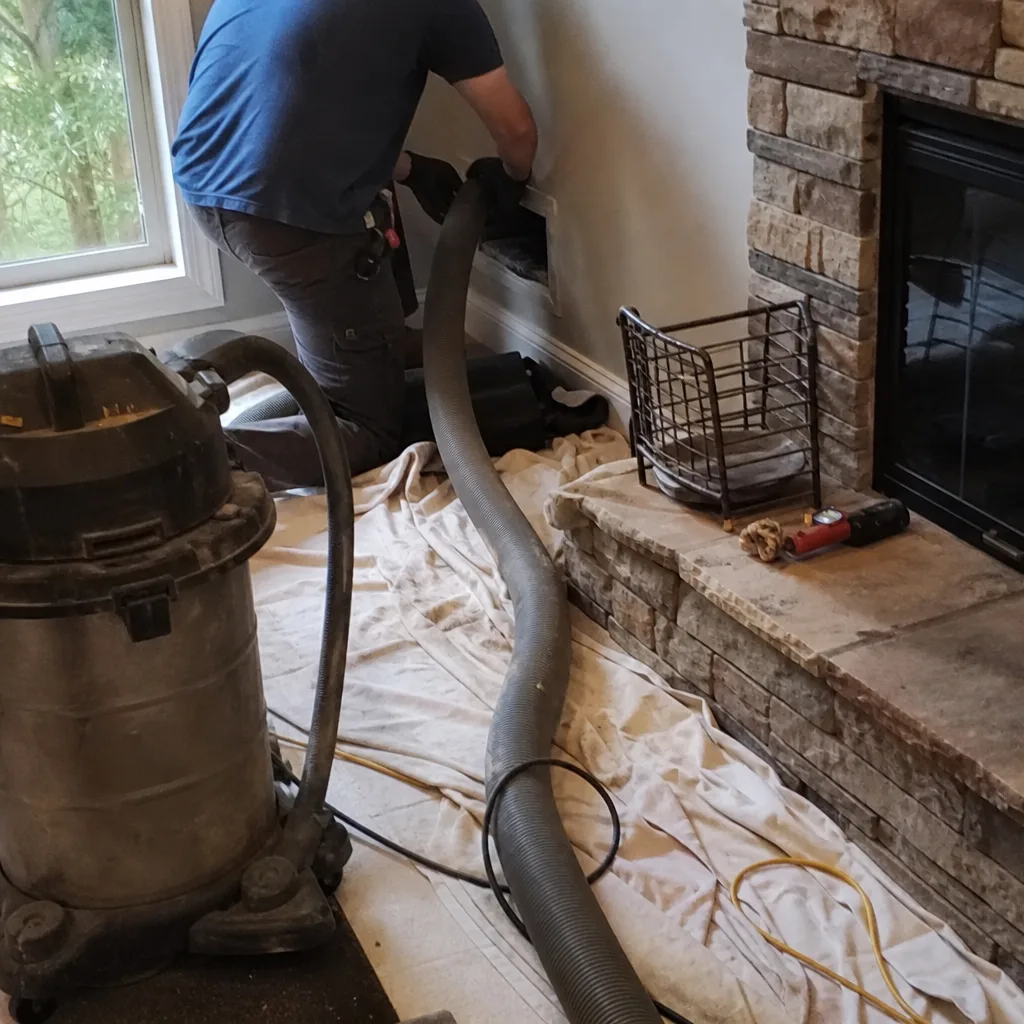
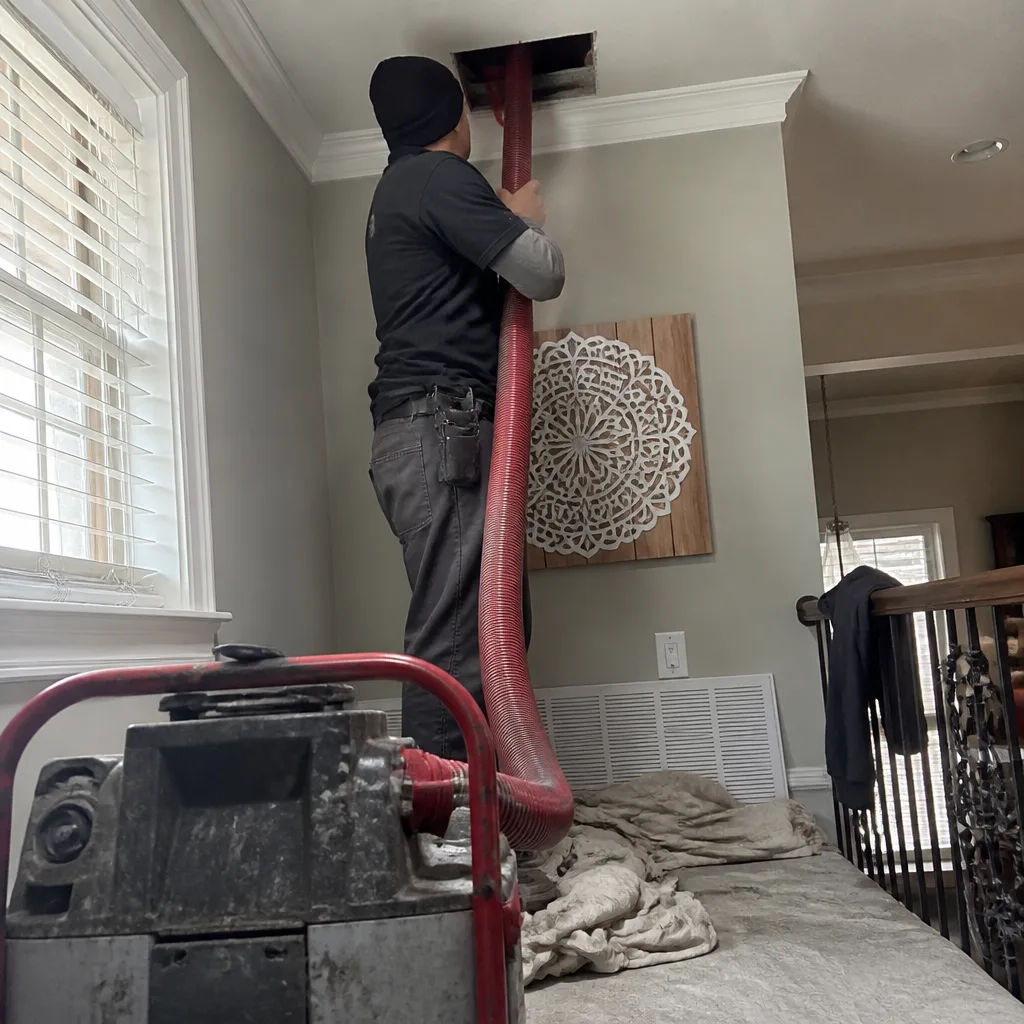
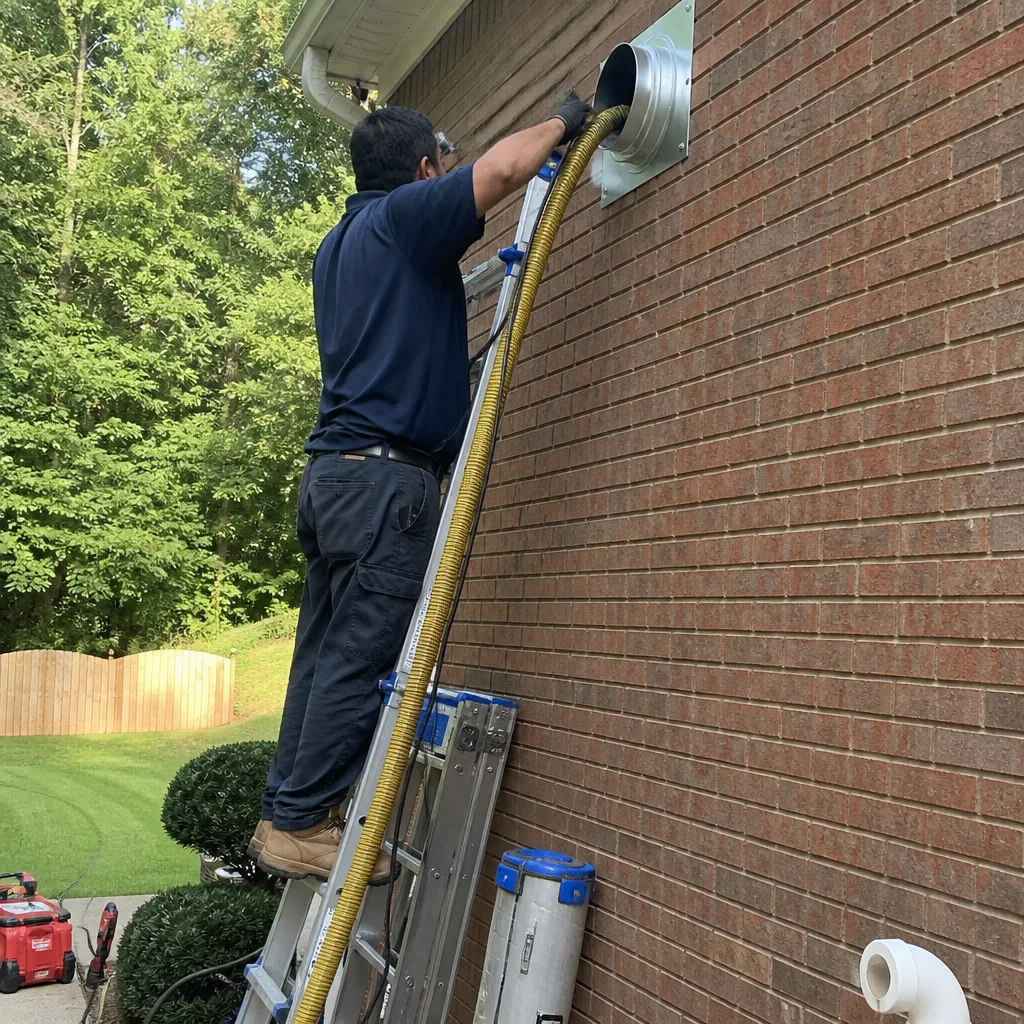
Whole-system duct and dryer vent check with before-and-after photos - you see exactly what came out of your vents
That "$99 whole-house special" is a bait ad - the real number appears once they are in your hallway, or the "clean" is a shop-vac at the register. We photograph the inside of your ducts before and after instead.
 Before
 After
After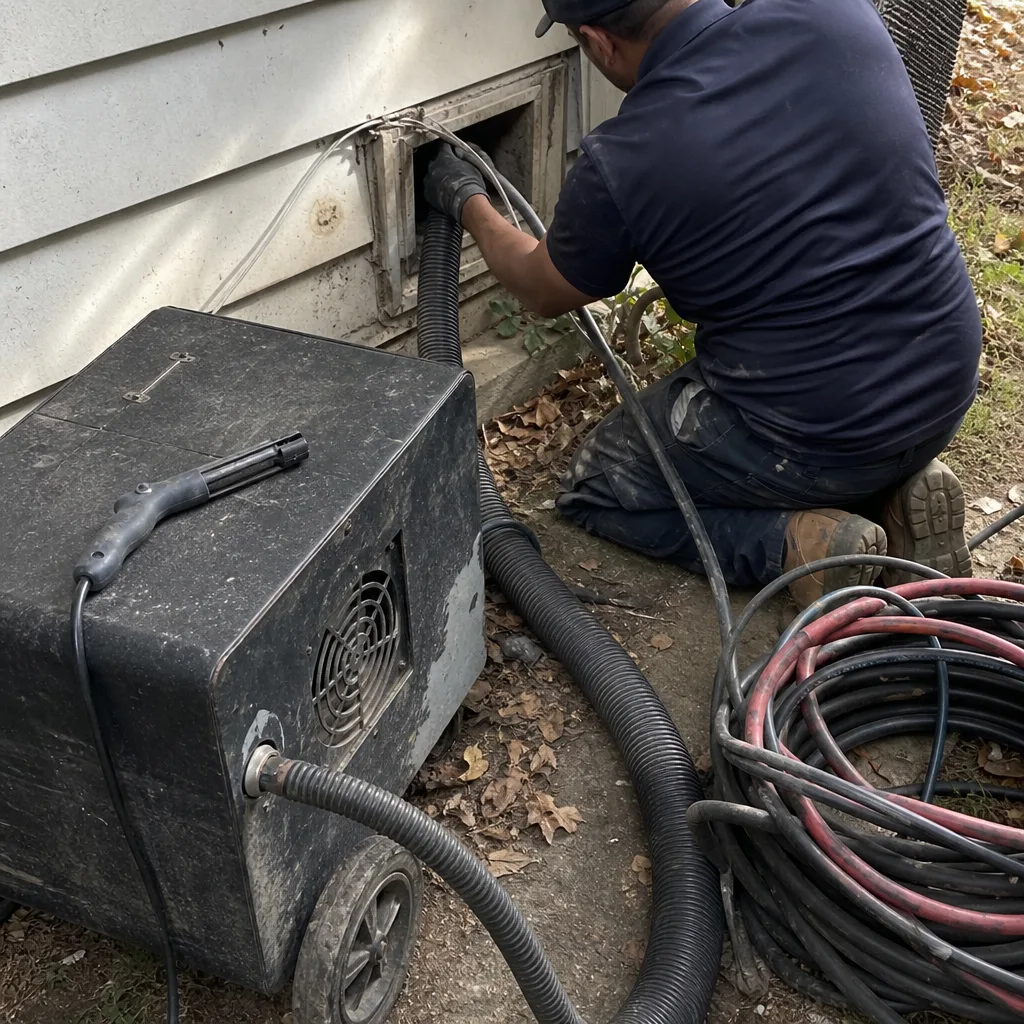 Before
 After
After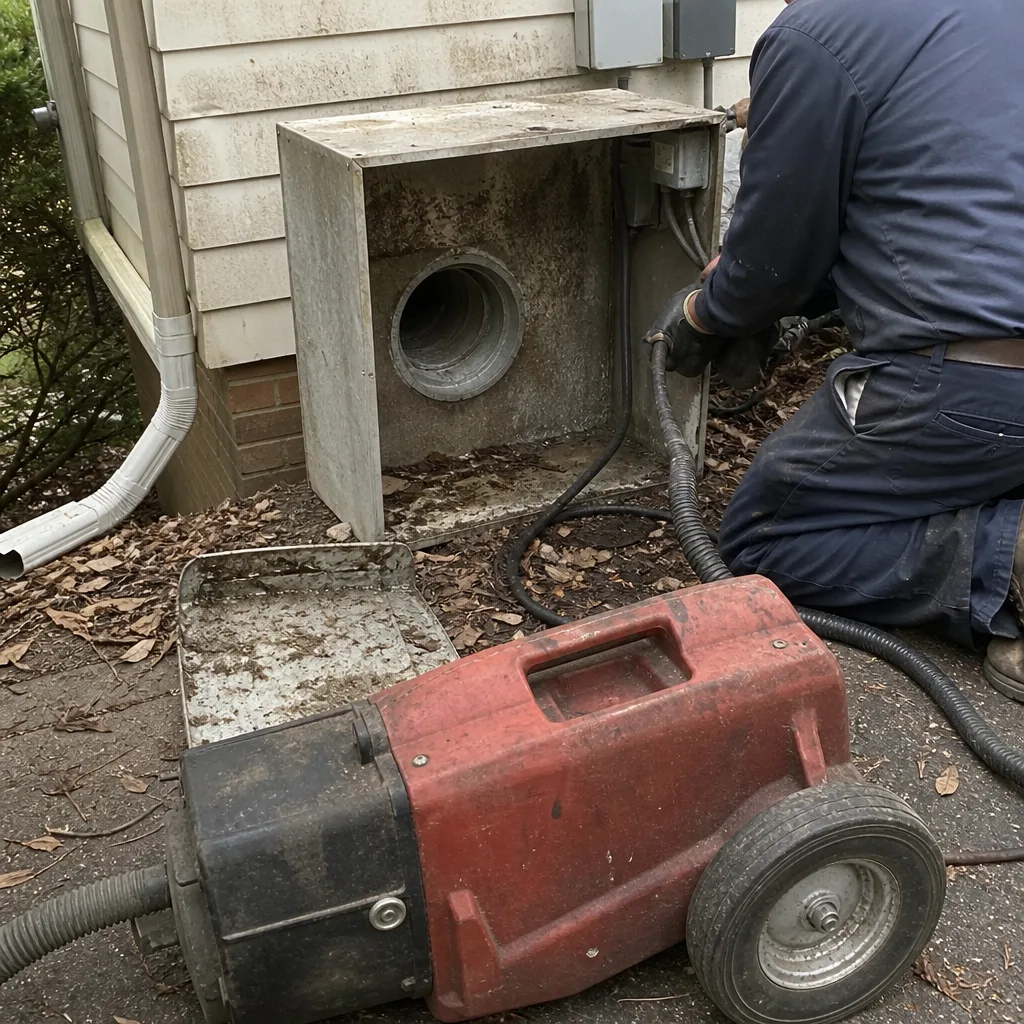 Before
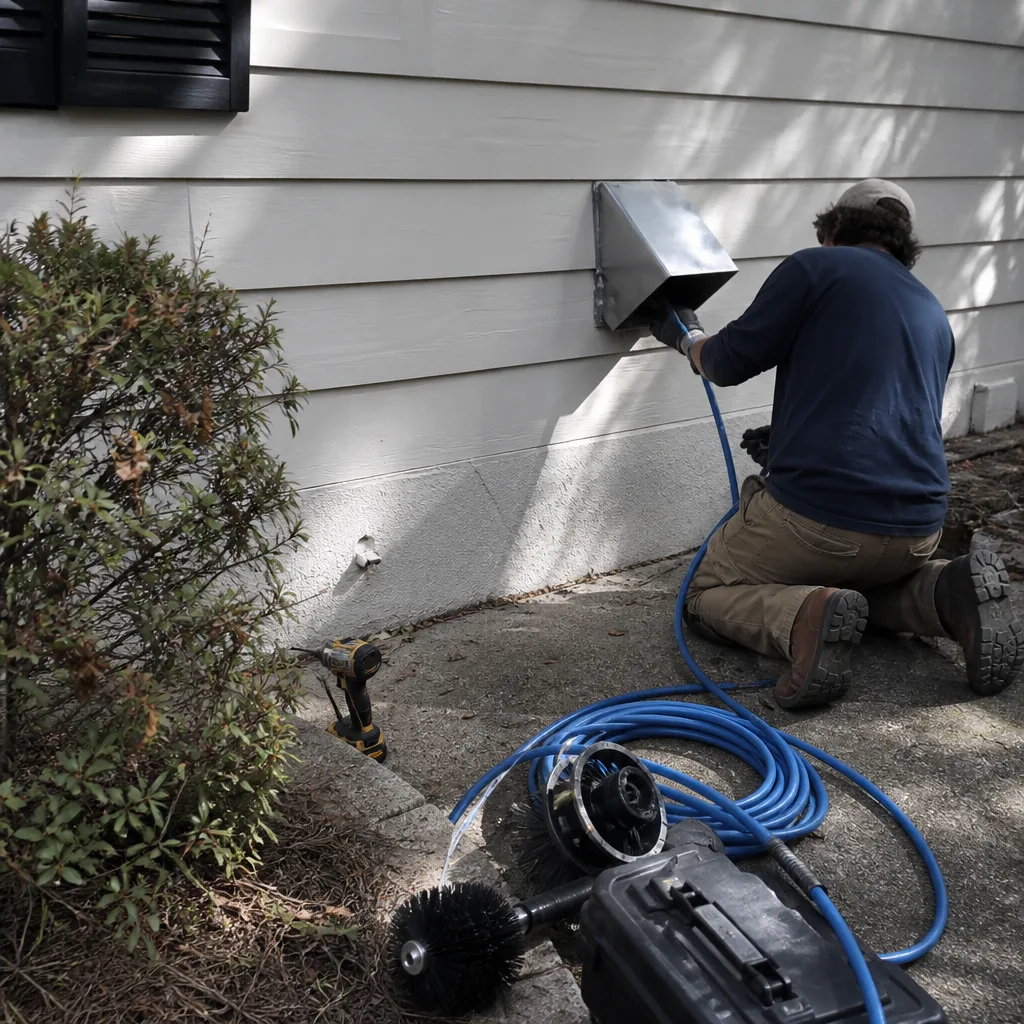 After
AfterThe Complete Guide to Air Duct Cleaning in Johns Creek
The EPA has explicitly stated it does not recommend routine air duct cleaning - yet the duct cleaning industry generates over $1 billion annually. That gap between evidence and sales pitch is where Johns Creek homeowners lose money. Most homes in Johns Creek don’t need their ducts cleaned every year, or even every two years. But when the conditions genuinely warrant it - post-renovation debris, visible mold growth, or construction dust in new builds - the difference between a legitimate job and a $79 bait-and-switch can cost you hundreds and leave your system unchanged. This guide - and our DIY vs Professional Air Duct Cleaning: The Johns Creek Homeowner’s Decision Guide - break down exactly what a complete duct cleaning involves, component by component, so you can verify whether any job was actually done.
Quick Answer
Air duct cleaning in Johns Creek typically costs $350-$850 for a complete whole-system cleaning using negative-pressure extraction and rotary brush contact cleaning, with documented before-and-after photos of every duct run. A legitimate job follows NADCA’s ACR standard for source removal, includes the full supply and return plenum, and delivers a written scope of work before any technician touches your system. The $79 coupon jobs that flood Johns Creek mailboxes skip the main trunk lines and photograph only the register collar, leaving 80% of your ductwork untouched.
Table of Contents
- Does Your Johns Creek Home Actually Need Air Duct Cleaning?
- What a Complete Air Duct Cleaning Actually Includes
- The NADCA ACR Standard: What It Requires and How to Verify It
- Source Removal vs. Surface Wipe-Down: The $79 Trap
- How to Read Before-and-After Duct Photos Like a Technician
- The Written Scope of Work: Your Pre-Job Checklist
- What Air Duct Cleaning Costs in Johns Creek
- Choosing a Contractor in Johns Creek: Red Flags and Green Lights
BeforeAfterDoes Your Johns Creek Home Actually Need Air Duct Cleaning?
The honest answer for most Johns Creek homes is no - not on a fixed schedule, not as preventive maintenance, and not because three years have passed since the last cleaning. The EPA’s position is clear: duct cleaning has never been shown to prevent health problems, and no study demonstrates that dirty ducts increase particle levels in homes beyond what normal living produces.
But there are specific conditions common in Johns Creek that do justify cleaning. Understanding which is which protects you from both unnecessary spending and genuinely needed work left undone.
Conditions That Genuinely Warrant Cleaning
- Post-renovation debris. Homes in neighborhoods like St. Ives, Medlock Bridge, and the newer sections of Abbotts Bridge frequently undergo kitchen renovations, basement finishes, or whole-house updates. Construction dust - drywall compound, sawdust, insulation fragments - enters the return air stream and deposits throughout the duct system. We’ve photographed 2-inch accumulations at plenum elbows in Johns Creek homes six months after major renovations.
- Visible mold growth inside hard-surface ducts. Johns Creek’s humid subtropical climate means summer dew points regularly hit 70°F. When HVAC systems are oversized and short-cycle, moisture accumulates in ductwork. If you see mold on the sheet metal itself - not just on the register, which is room air - the EPA recommends cleaning the affected components.
- New construction dust. Homes built between 2015 and 2025 in Johns Creek’s expansion areas often have significant drywall dust and construction debris in ducts. Builders’ rough cleanings typically vacuum only the register face, not the full duct run.
- Confirmed pest infestation. Rodent or insect debris in ducts requires removal and often sanitizing, though the underlying entry point must be sealed first or the problem returns.
- Excessive debris clogging registers or visible at vents. If you remove a floor register and see debris extending past the boot into the duct run itself, the system is past due.
Conditions That Are Sales Triggers, Not Medical Necessities
- “You haven’t cleaned your ducts in three years.” The EPA has no recommended interval; condition, not calendar time, determines need.
- “Your family has allergies.” No study links duct cleaning to reduced allergy symptoms. Source control - HEPA filtration, humidity management, source removal - has documented evidence.
- “Dust on your furniture proves dirty ducts.” Most indoor dust is skin cells, textile fibers, and outdoor particles that enter through windows and doors. Ducts recirculate air; they don’t manufacture dust.
In our experience across Johns Creek, the homes that genuinely need cleaning fall into two categories: post-construction or renovation debris, and systems with documented moisture problems leading to mold. Everything else requires inspection, not assumption.
What a Complete Air Duct Cleaning Actually Includes
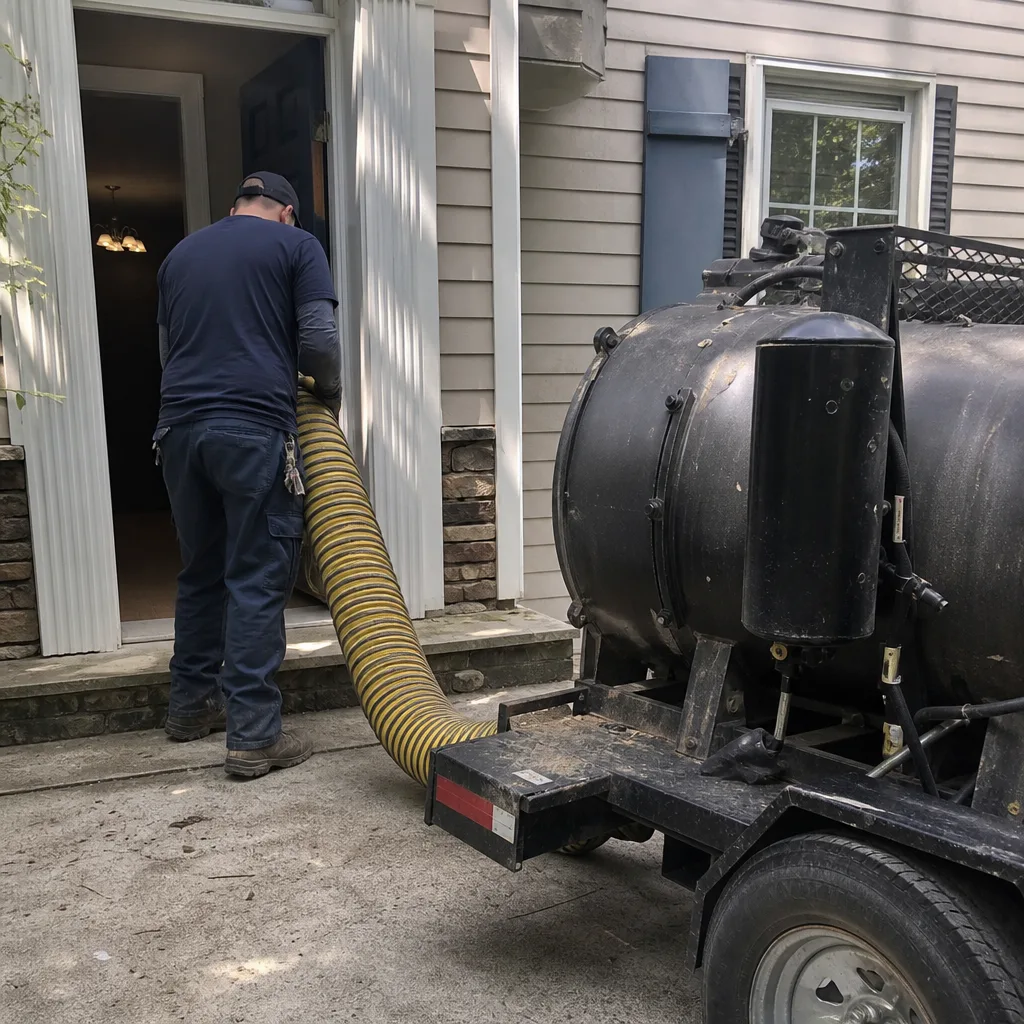
A complete residential duct cleaning in Johns Creek addresses the entire air distribution system, not just the parts you can see from the hallway. The full scope includes:
- Supply plenum. The sheet metal box connected directly to your air handler or furnace - this is where conditioned air first enters the duct network. Debris accumulates here because it’s the first change in airflow direction after the blower.
- All supply trunk lines. The main rectangular or round ducts that branch to individual rooms. In Johns Creek’s larger homes - 3,500 square feet and up - these trunk lines can run 40+ feet and contain multiple elbows where debris collects.
- Branch duct runs to each register. The smaller diameter lines (typically 6-inch round flexible duct or sheet metal) that terminate at your floor, wall, or ceiling registers. Each run must be individually accessed and cleaned.
- Return air pathway. The return plenum, return trunk, and return ductwork that pull air back to the HVAC unit. This is often the dirtiest section because it’s unfiltered - room air enters through the return grille and travels the full return path before reaching the filter.
- Coil and blower cabinet (when specified). The evaporator coil and blower wheel are not technically “ducts,” but they’re part of the air stream. NADCA’s ACR standard treats them as separate services with separate pricing.
- Registers and grilles. Removed, cleaned externally, and reinstalled - not just wiped in place.
What’s not included in standard duct cleaning unless explicitly specified: the HVAC unit’s heat exchanger, combustion components, refrigerant system, or duct sealing. These are separate trades or services.
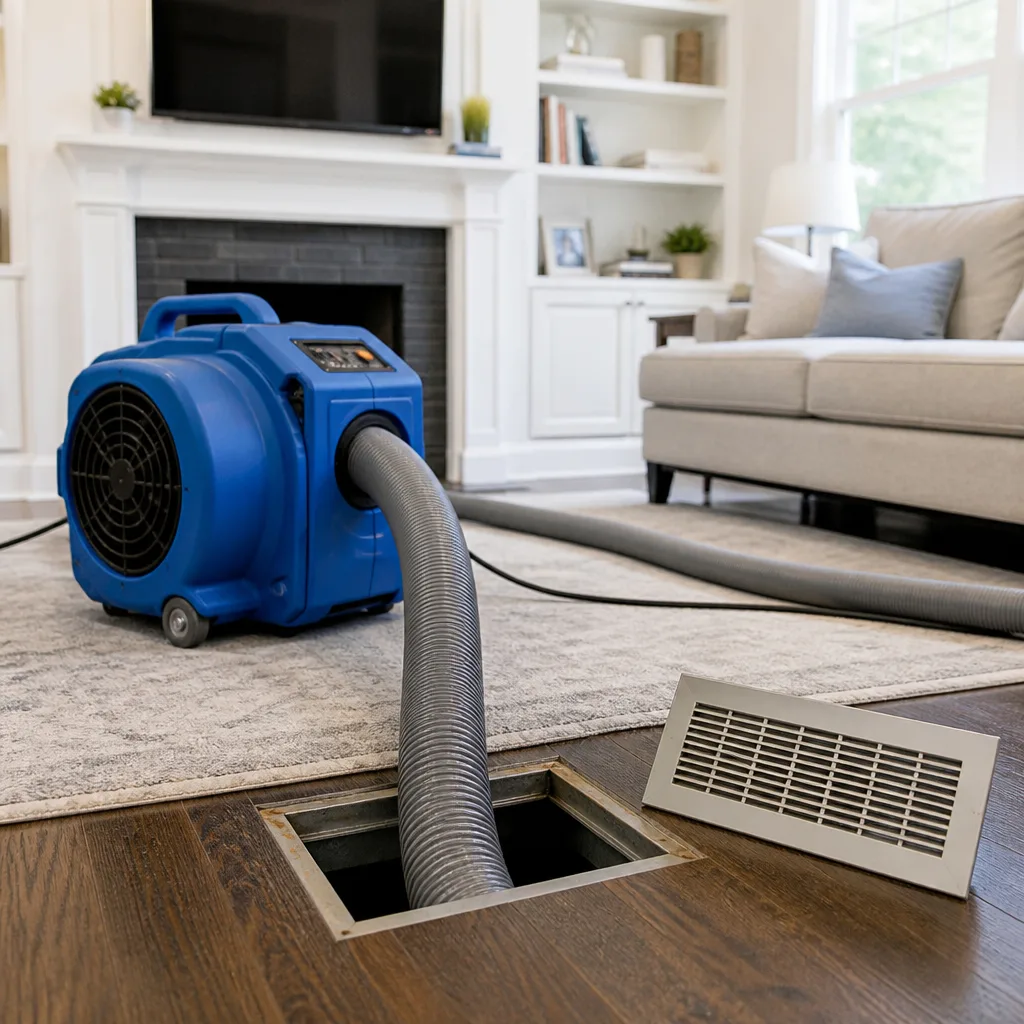
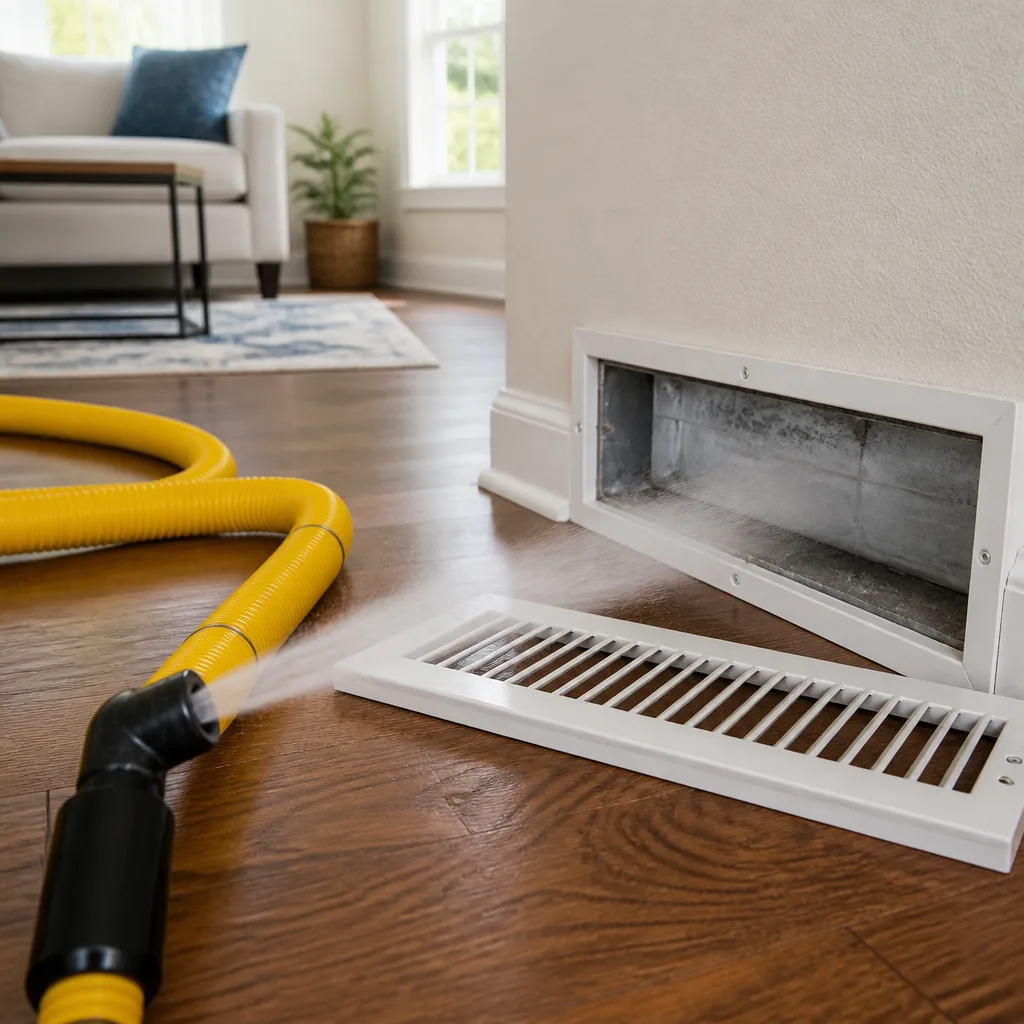
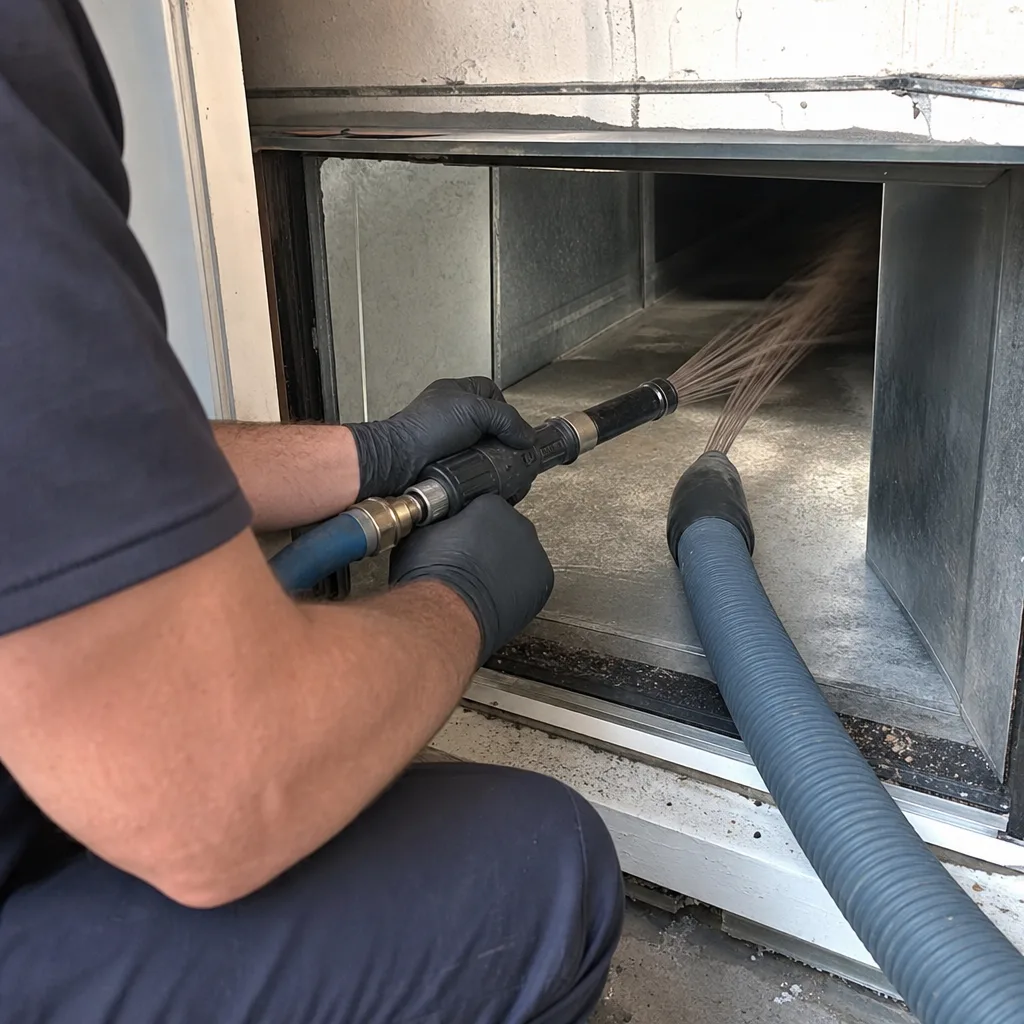
The equipment matters because it determines what “clean” means. Professional-grade systems use a combination of negative-pressure extraction (a large vacuum attached to the duct system, pulling 2,000+ CFM) and mechanical agitation (rotary brushes, air whips, or skipper balls that dislodge debris from duct walls). The vacuum collects what the agitation loosens. Without both components, you’re getting surface contact without debris removal, or suction without dislodging.
CleanRun’s equipment roster includes Rotobrush rotary contact cleaning systems, Nikro negative-pressure extractors, and Abatement Technologies HEPA-filtered collection units - brands any homeowner can research independently. We name them because Haven Standard Clause 1 requires that customers know what they’re paying for before work starts.
The NADCA ACR Standard: What It Requires and How to Verify It
NADCA - the National Air Duct Cleaners Association - publishes the ACR standard, the only widely recognized specification for residential duct cleaning. Most Johns Creek homeowners have never heard of it. Most contractors hope it stays that way.
The ACR standard defines a “complete cleaning” in measurable terms. Understanding these terms lets you verify whether a job was done or merely performed.
Key ACR Requirements Translated
- Source removal, not surface treatment. The standard requires that contaminants be removed from the system, not just disturbed or covered. This means debris must be extracted and collected, not pushed deeper into the ductwork.
- Access openings for mechanical cleaning. The contractor must create sufficient access points to allow tools to reach the full duct run. In Johns Creek’s older homes with original ductwork, this sometimes means cutting access panels in sheet metal trunk lines - which must be properly sealed afterward.
- Protection of the building and HVAC components. Drop cloths, corner guards, and protection of electronic components in the air handler. The ACR standard specifically prohibits using the HVAC blower as the collection mechanism - a shortcut that contaminates the blower motor and wheel.
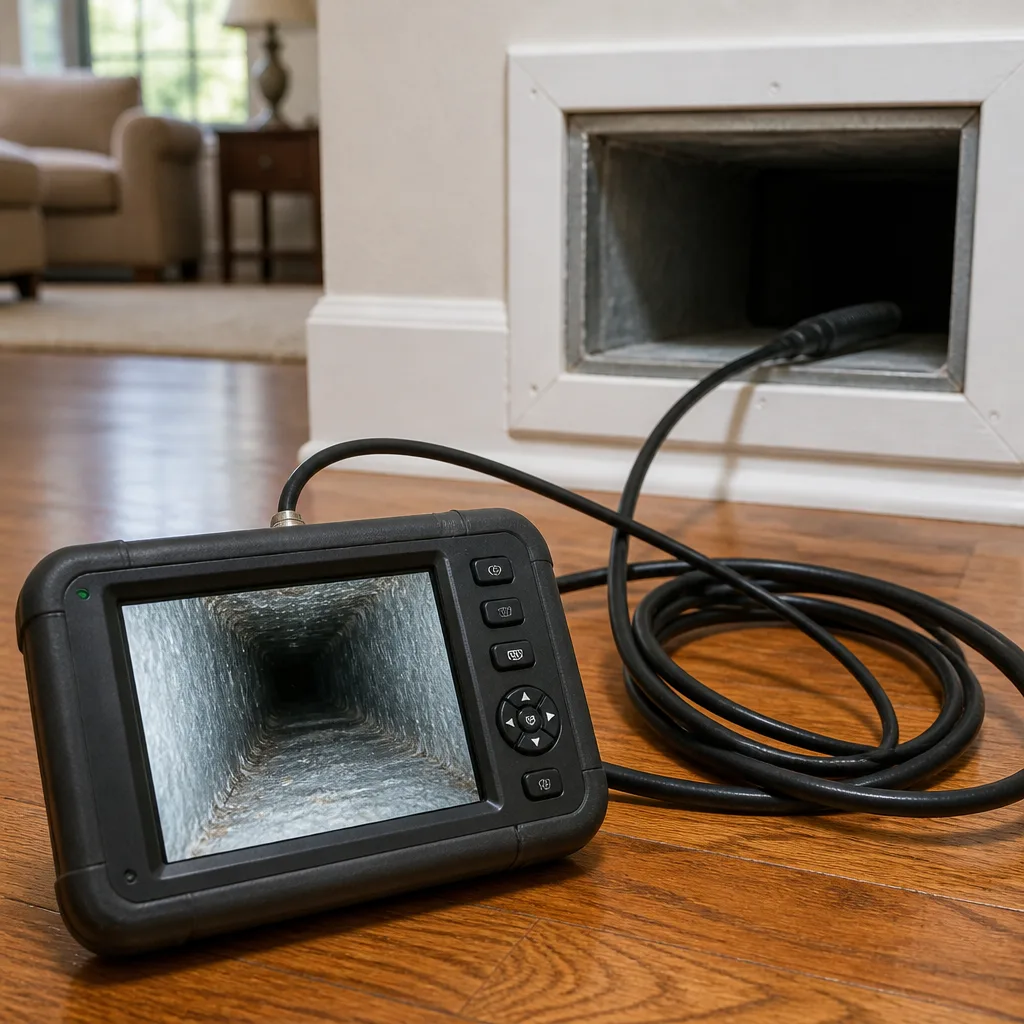
- Verification of cleanliness. The standard requires post-cleaning verification, which can be visual (photo documentation), debris measurement, or both. NADCA does not specify the method; it requires that a method exist and be documented.
Here’s what the ACR standard does not require: cleaning to “like new” condition. The standard acknowledges that some staining, particularly in galvanized ductwork, may remain after source removal. What must be removed is debris and contaminants that can be dislodged and extracted - not cosmetic discoloration.
The gap between “cleaned to ACR standard” and “looks brand new” is where bait-and-switch pricing lives. A contractor quoting $79 cannot afford to cut access openings, run rotary brushes through 12+ duct runs, and collect debris with HEPA-filtered negative-pressure equipment. The math doesn’t work. What they can afford is a shop vacuum at the register and a surface wipe of visible areas - which satisfies no standard but their own.
Source Removal vs. Surface Wipe-Down: The $79 Trap
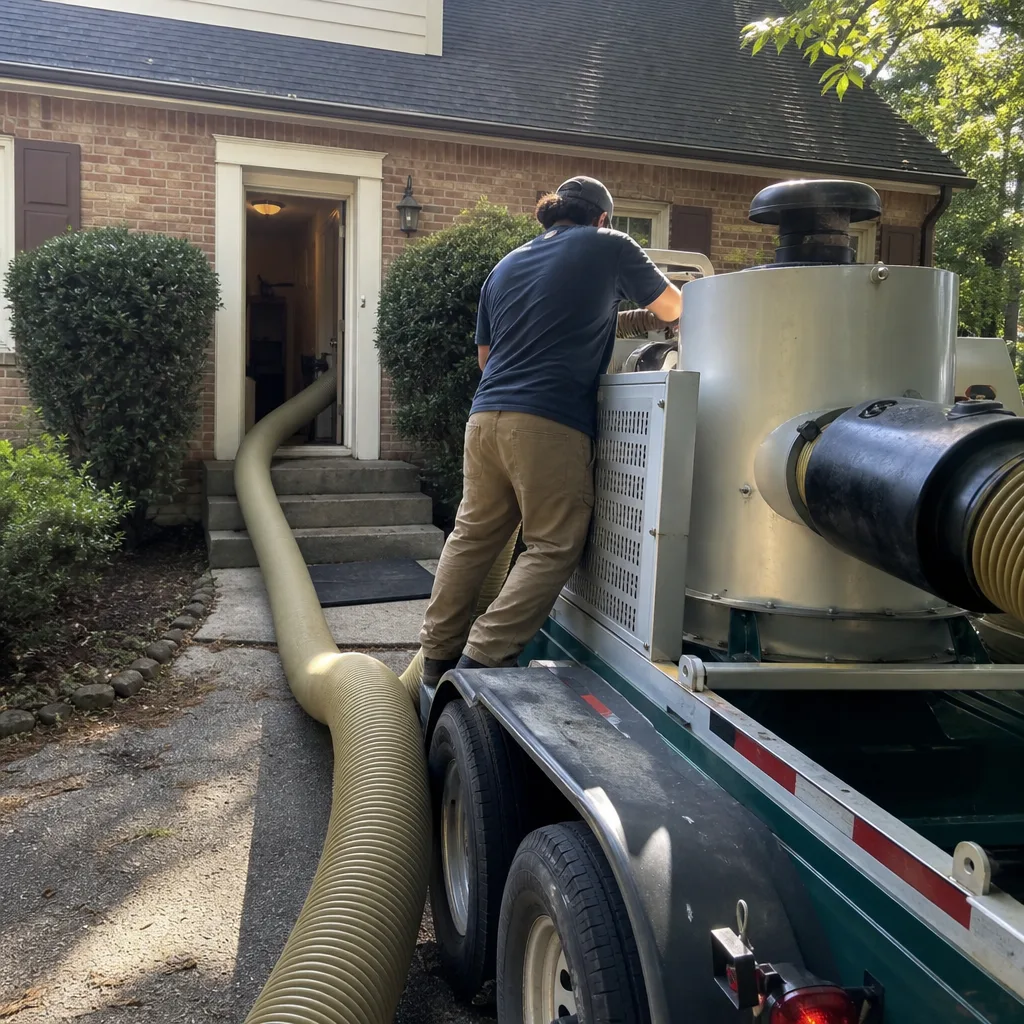
The duct cleaning industry’s most profitable model is the $79 coupon. It works because most homeowners have no way to verify what happened inside their walls. By the time you realize the job was incomplete, the truck is gone and the phone number forwards to voicemail.
Here’s the actual difference:
| Source Removal (Legitimate) | Surface Wipe-Down ($79 Coupon) |
|---|---|
| Negative-pressure extractor (2,000+ CFM) attached to duct system | Shop vacuum or portable unit (100-200 CFM) at register only |
| Rotary brush or air whip agitation through full duct run | Brush or vacuum only at register collar and visible boot |
| Access panels cut in trunk lines where needed, sealed after | No system access; work limited to register face |
| Before-and-after photos of interior duct surfaces at multiple points | Photos of register exterior only, or none |
| Written scope delivered before work; written invoice matching scope after | Verbal quote that increases on arrival; handwritten receipt |
| Debris collected in HEPA-filtered container; disposal documented | Debris often released into home or outdoor air |
The register collar - the 6-inch visible section where the duct meets the floor or wall - represents roughly 3% of a typical residential duct system. Cleaning only this section and photographing it is the standard $79 playbook. The camera shows a clean collar; the homeowner assumes the entire duct run matches. It doesn’t.
In Johns Creek’s competitive home services market, we’ve responded to dozens of calls from homeowners who paid $79-$149 and received exactly this: a clean register face, a fogged “sanitizer” with no EPA registration number, and a bill that somehow reached $400+ after “discovered” issues. The Haven Standard exists partly because this practice is so common. Haven Standard Clause 1 requires a written price before any work starts - no exceptions, no “we’ll see what we find” pricing.
How to Read Before-and-After Duct Photos Like a Technician
Photo documentation is your only verifiable proof that a complete cleaning occurred. But not all photos are equal. Learning to read them protects you from staged or incomplete documentation.
What to Demand in Your Photo Record
- Location labels. Each photo must identify the specific duct run: “Master bedroom supply, second elbow from plenum” or “Kitchen return, boot connection.” Generic “before” and “after” labels without location data are worthless for verification.
- Depth markers. The photo should show how far into the duct run the camera reached. A photo 6 inches from the register face proves nothing about the 15-foot run beyond it. Ask for photos at the midpoint and terminus of each run, not just the entrance.
- Consistent lighting and angle. Before and after photos of the same location should use the same camera, same light source, and same orientation. Different lighting can make a dirty duct look clean or vice versa.
- Visible duct construction. The photo should show whether you’re looking at flexible duct, sheet metal, or duct board - each has different cleaning requirements and typical failure modes. In Johns Creek, flexible duct is common in homes built 2005-2015; sheet metal dominates older and high-end construction.
- Debris type, not just quantity. A photo showing fibrous insulation fragments indicates duct liner degradation, which cleaning alone won’t fix. Heavy dust with no structural debris suggests normal accumulation. Construction debris - drywall, wood, insulation - indicates a specific source that should be noted in the written scope.
CleanRun’s Documented Photo Record, included on every visit since 2013, delivers labeled photos of every duct run’s interior before and after cleaning. The customer receives these as part of the standard job record, not as an upsell. When we find construction debris in a Johns Creek home’s ductwork - common in the newer subdivisions along State Bridge Road and Medlock Bridge Parkway - the photo shows the material type and location, and the written scope notes the source.
What you should never accept: photos of only the register exterior, photos without location data, or “after” photos that don’t match the “before” angle and depth. These are signs of documentation theater, not documentation.
The Written Scope of Work: Your Pre-Job Checklist
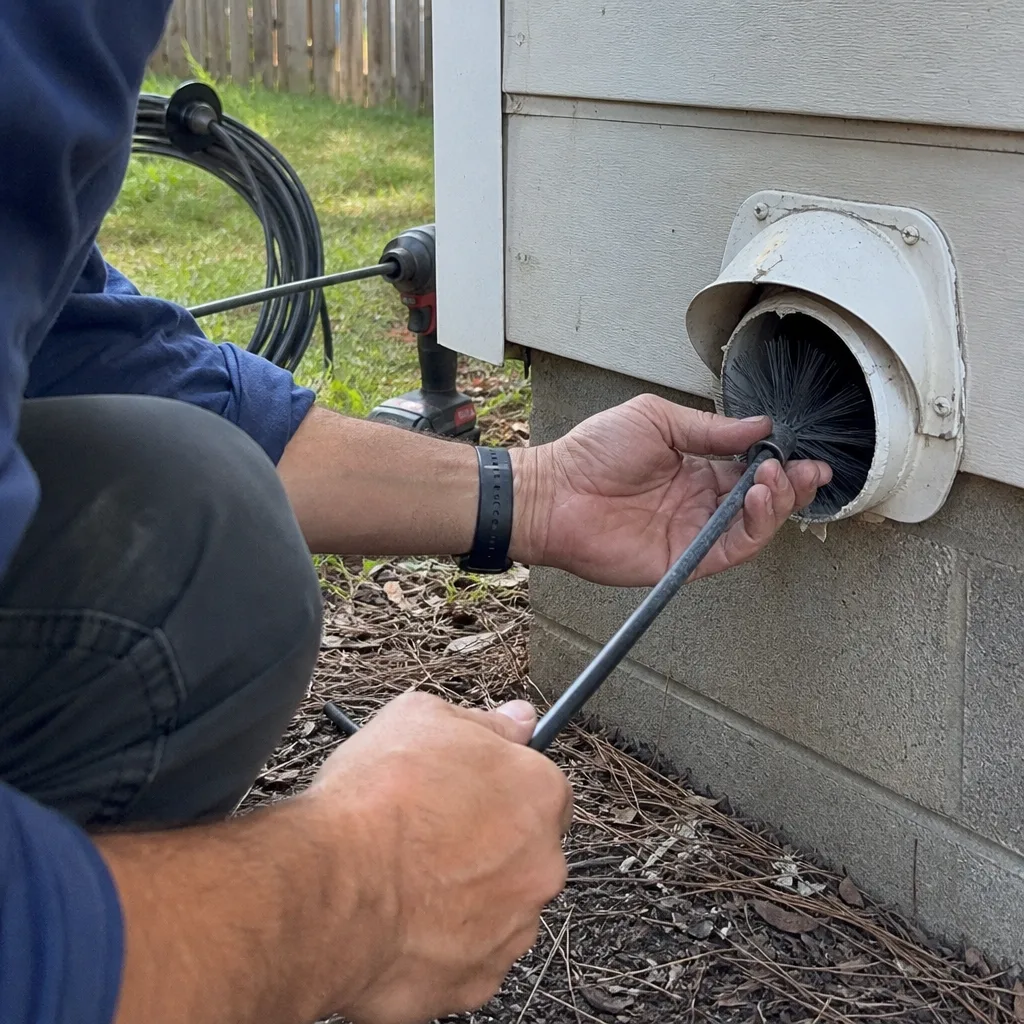
Before any technician touches your HVAC system, you should hold a written document specifying exactly what will be done, to which components, with what equipment, at what price. This is not a courtesy; it’s your primary protection against scope creep and incomplete work.
A legitimate written scope for Johns Creek duct cleaning should contain:
- Property address and system location. Basic, but omitted scopes are unenforceable.
- Specific components to be cleaned. “All supply and return ductwork” is vague. The scope should list: supply plenum, supply trunk lines, individual supply branch runs (count them), return plenum, return trunk, individual return runs, registers/grilles, and whether the coil and blower cabinet are included.
- Access method. How will the contractor reach the full duct run? Existing registers only, or additional access panels? If panels are cut, how will they be sealed?
- Equipment to be used. Specific brand and type: “Nikro HP20 HEPA-filtered negative-pressure extractor (2,000 CFM)” or “Rotobrush Beast brush system with HEPA collection.” Vague “professional equipment” claims are unverifiable.
- Cleaning method. Mechanical agitation plus extraction, or extraction only? Air whip, rotary brush, or compressed air?
- Protection measures. Drop cloths, corner guards, protection of finishes and electronics.
- Verification method. Photo documentation, visual inspection, or debris measurement? How will cleanliness be confirmed?
- Deliverables. What does the customer receive? Photo record, written completion report, warranty documentation?
- Total price and payment terms. One flat price for the specified scope, with no per-vent add-ons. Haven Standard Clause 1 requires this explicitly.
- Warranty terms. Duration, coverage, and process for claims. CleanRun’s 365-Day Done Right Promise is backed in writing on every job - not stated in marketing copy and absent from the contract.
If a contractor won’t put this in writing before starting, the reason is simple: they don’t intend to do it. The “we need to see it first” excuse is the standard opening for on-site price escalation. Every legitimate contractor can specify their standard scope and price range before arrival; variables like excessive debris or damaged ductwork can be noted as contingencies with pre-defined pricing, not open-ended add-ons.
CleanRun’s written scope is delivered before any panel comes off, every time. The price on that document matches the invoice. If we find conditions that require additional work - a disconnected duct run, degraded liner, or pest damage - we photograph it, explain it, and provide a separate written scope for that work before proceeding. No surprises, no truck-leaving pressure.
What Air Duct Cleaning Costs in Johns Creek
Honest pricing for complete duct cleaning in Johns Creek follows the equipment and labor required, not a psychological pricing model designed to get a foot in the door. Here’s what whole-system cleaning actually costs in this market:
| Service | Typical Range in Johns Creek | What Affects Price |
|---|---|---|
| Whole-system duct cleaning (supply + return, no coil) | $350-$650 | Home size, duct accessibility, number of runs, debris type |
| Whole-system with coil and blower cabinet | $550-$850 | Coil location (attic vs. basement), contamination level |
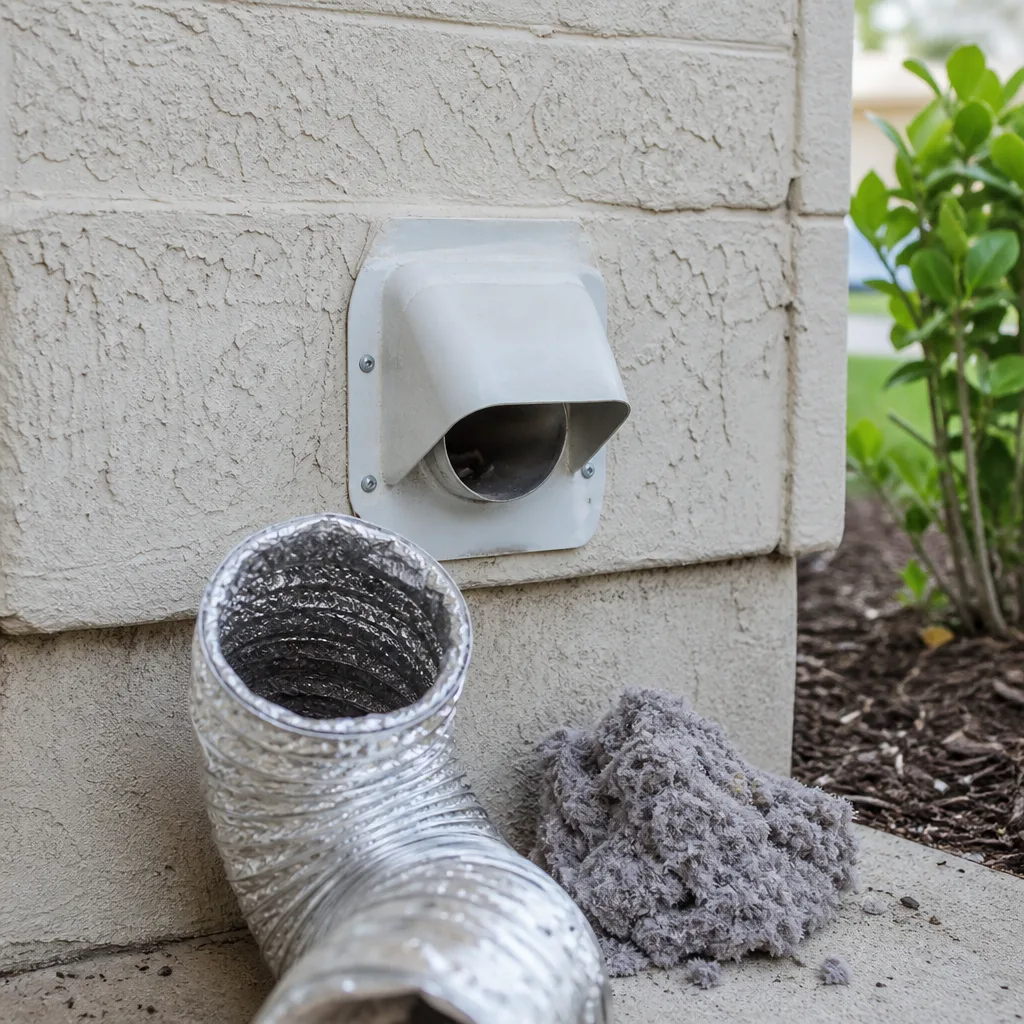
| Dryer vent cleaning (separate service) | $120-$250 | Vent length, number of turns, roof vs. wall termination |
| Duct repair/sealing (per project) | $200-$800 | Accessibility, material, extent of damage |
Factors that push Johns Creek jobs toward the higher end:
- Large homes with complex duct layouts. The 4,000+ square foot homes in Country Club of the South, St. Marlo, and The River Club often have 20+ supply runs, zoned systems with multiple air handlers, and attic ductwork requiring additional access time.
- Post-renovation debris. Heavy drywall dust or construction material requires more agitation cycles and more frequent filter changes on the collection unit.
- Flexible duct degradation. Common in Johns Creek homes built 2005-2015, where flexible duct liner separates from the wire helix and requires gentle handling or replacement rather than aggressive brushing.
- Attic systems in summer. July and August attic temperatures in Johns Creek exceed 130°F, requiring shorter work intervals and additional crew rotation - a real labor cost that honest contractors account for.
What honest pricing does not include: per-vent surcharges, “sanitizer” upsells with unverified EPA registration, or “maintenance plan” pressure. CleanRun’s pricing is one flat price per system, agreed in writing before work starts. No per-vent math, no arrival surprises, no optional essentials presented as afterthoughts.
The $79-$149 coupon jobs are not cheaper versions of the same service. They’re different services entirely - surface wiping versus source removal - with pricing designed to enable on-site escalation. The average final invoice we’ve seen from these operators, based on customer reports in Johns Creek, runs $350-$600 after “required” add-ons. You pay more, not less, for the deception.
Choosing a Contractor in Johns Creek: Red Flags and Green Lights
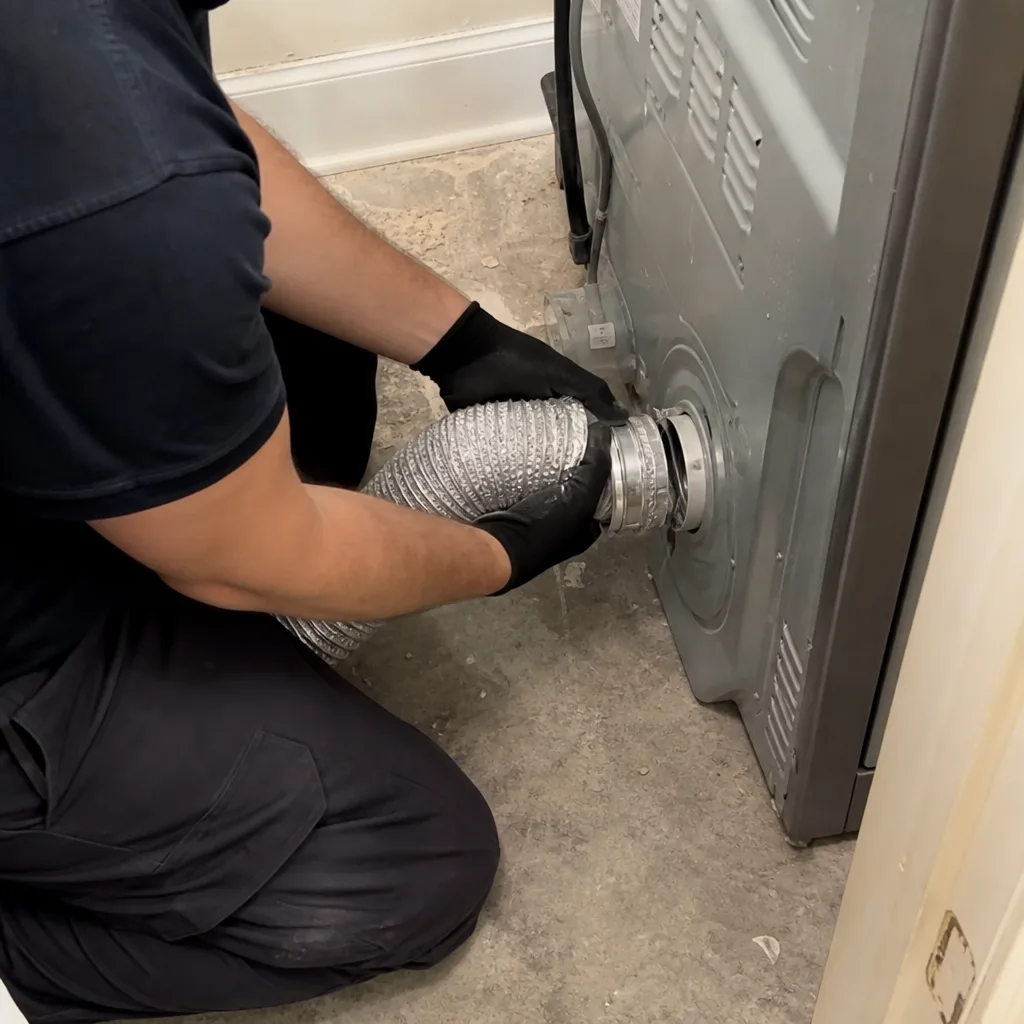
Johns Creek’s affluence and high home values attract aggressive marketing from national lead-generation services and itinerant contractors. Identifying legitimate operators requires checking specific credentials, not relying on review counts or website polish - our How to Hire a Air Duct Cleaning Contractor in Johns Creek: A Step-by-Step Guide details what to verify.
Green Lights
- Published license number. Georgia requires HVAC contractors to hold a conditioned air license. CleanRun publishes its license number on every page - not buried in a footer, but stated where customers can verify it with the Georgia Secretary of State.
- Named equipment brands. Contractors who name their equipment - Rotobrush, Nikro, Abatement Technologies, Honeywell, Aprilaire, Guardsman - invite independent verification. Those with “professional-grade equipment” and no specifics have something to hide.
- Written price before work starts. Not an estimate range, not a “starting at” figure - a specific price for your specific scope, delivered before any work begins. Haven Standard Clause 1.
- Documented photo record included. Not available for an extra fee, not mentioned as a possibility - guaranteed on every job, delivered to the customer. CleanRun has done this since 2013; it’s not an innovation, it’s a baseline.
- Background-checked, uniformed technicians identified by name before arrival. Haven Standard Clause 3: Verified Crews. You know who’s coming to your home before they knock.
- Free second opinion on any written estimate. Bring a competitor’s quote; CleanRun puts its own number next to it in writing, no charge.
Red Flags
- Telemarketing or unsolicited door-to-door sales. Legitimate duct cleaning companies in Johns Creek do not cold-call or canvas neighborhoods. The “we’re in your area” call is a lead-generation script, not a local business.
- “Whole house” pricing without seeing the system. A legitimate contractor needs to know system type, approximate duct run count, and accessibility. Anyone quoting a firm price for “any 3-bedroom home” is either planning to escalate on arrival or planning to skip most of the work.
- Mold “testing” with immediate alarming results. Instant mold tests are theater. Laboratory analysis takes days; anything shown on-site is a sales prop.
- Pressure to decide immediately. “Today’s only” pricing, limited-time discounts, or crew-availability urgency are manipulation tactics, not business necessities. CleanRun does not use urgency theatre of any kind.
- No physical address or verifiable local presence. Check the address on the website against Google Street View. Many $79 coupon services use virtual offices or mail drops.
Johns Creek homeowners are particularly targeted by out-of-area operators because of high home values and relatively new construction that suggests disposable income. The CleanRun Air Duct Cleaning Johns Creek home page lists our physical service area and verification methods; we encourage customers to confirm any contractor’s local presence before scheduling.
Common Mistakes to Avoid
- Scheduling “maintenance” cleaning on a fixed interval. The EPA recommends cleaning only when specific conditions exist. Annual or biennial duct cleaning is unnecessary spending for most Johns Creek homes.
- Accepting verbal quotes or “starting at” pricing. Every legitimate scope can be specified in writing. Verbal quotes exist to be exceeded.
- Confusing register cleaning with duct cleaning. A clean register face tells you nothing about the 15-foot duct run behind it. Demand interior photos at depth.
- Ignoring the return side. The return ductwork is typically dirtier than supply because it’s unfiltered. A scope that addresses only supply lines is incomplete by definition.
- Paying for “sanitizing” without verifying EPA registration. Many fogging products used in $79 upsells lack EPA registration for HVAC application. Ask for the EPA registration number and verify it independently.
- Neglecting the underlying cause. If mold recurs after cleaning, the moisture source - oversized equipment, duct leaks, or humidity control failure - must be addressed or the problem returns.
- Choosing by price alone. The $79 coupon and the $650 complete cleaning are not the same service at different prices. They’re different services with different outcomes.
When to Call a Professional
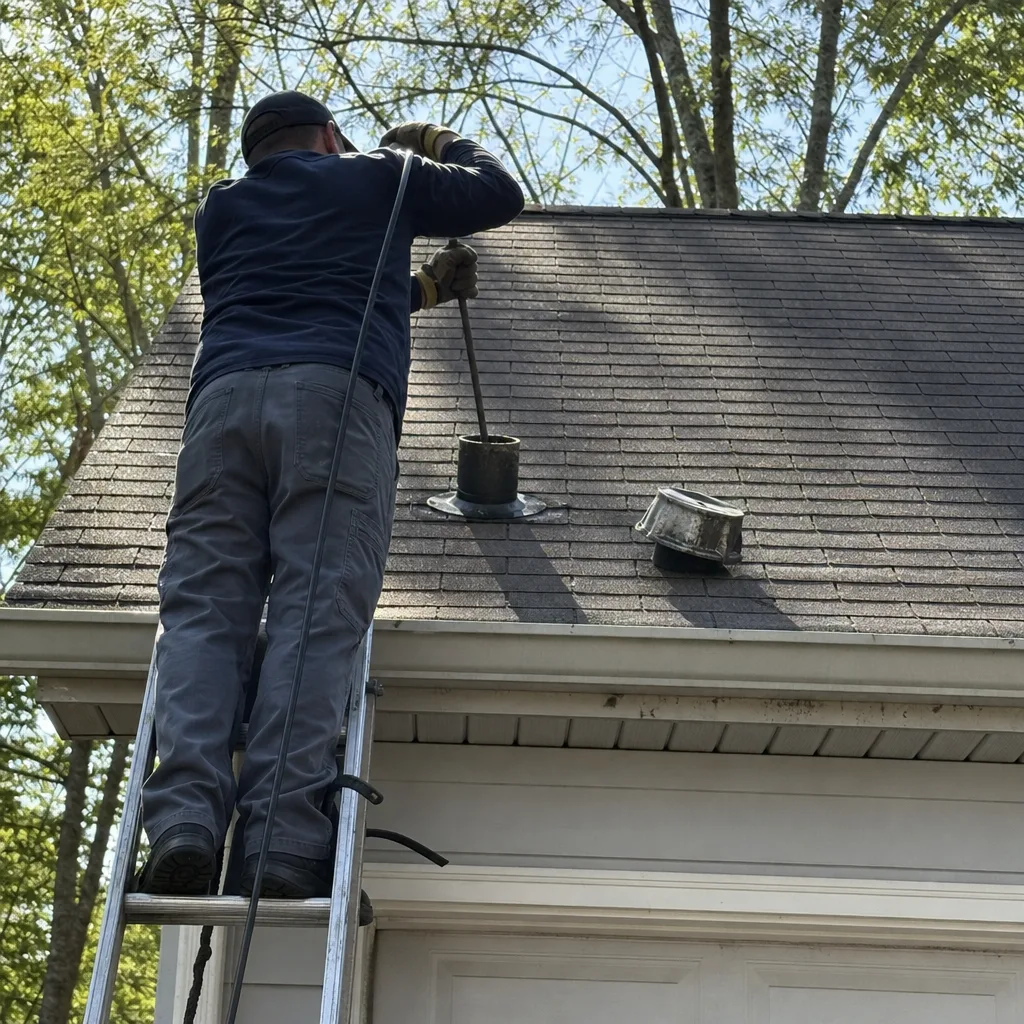
Call a professional when you can document a specific condition: visible debris beyond the register boot, post-renovation dust circulation, mold on hard duct surfaces, or pest debris. Don’t call because three years have passed or because a coupon arrived in the mail.
For Johns Creek homeowners who want verification before committing, Air Duct Cleaning in Johns Creek from CleanRun includes a free inspection with written findings - no charge, no pressure, no “today only” pricing. If cleaning is warranted, you’ll receive a written scope and flat price before any work begins. If it’s not warranted, we’ll tell you that too. Call (470) 326-1926 to schedule.
Related services: Dryer Vent Cleaning in Johns Creek addresses the leading cause of home fires; HVAC Cleaning in Johns Creek covers coil, blower, and cabinet components beyond ductwork.
Frequently Asked Questions
Complete whole-system duct cleaning in Johns Creek typically costs $350-$650 for supply and return ductwork, or $550-$850 when including the evaporator coil and blower cabinet. The price varies by home size, duct accessibility, and debris type - not by number of vents, which is a pricing model designed to obscure true cost. Call (470) 326-1926 for a written estimate specific to your home; estimates are free.
The $79-$149 quotes are for surface wiping of register faces and visible boot sections, not source removal from the full duct system. These operators typically escalate to $350-$600 on arrival with “required” add-ons. A legitimate quote for complete cleaning using negative-pressure extraction and rotary brush agitation cannot be delivered at coupon prices - the equipment, labor, and disposal costs exceed that figure before the truck leaves the shop. The real comparison is total invoice amount, not initial quote.
Demand a documented photo record showing the interior of every duct run before and after cleaning, with location labels and depth markers. The photos should show consistent lighting and angle, and should include points deep in the duct run - not just the register collar. You should also receive a written completion report matching your pre-job scope. CleanRun includes this documentation as standard on every visit; contractors who won’t provide it have something to hide.
There is no fixed interval that applies to all homes. The EPA does not recommend routine duct cleaning. Clean when specific conditions exist: post-construction debris, visible mold on hard duct surfaces, confirmed pest contamination, or excessive debris visible at duct depths. For most Johns Creek homes without these conditions, duct cleaning is not a scheduled maintenance item. We’ve cleaned homes that genuinely needed it after 15 years, and declined to clean others that didn’t need it after 5.
Johns Creek’s humid subtropical climate affects duct conditions in specific ways, but not through dirt accumulation. High summer humidity can contribute to mold growth in systems with moisture control problems - oversized equipment that short-cycles, duct leaks that draw attic air, or failed condensate drainage. These are moisture issues, not cleanliness issues, and cleaning alone won’t solve them. The underlying cause must be addressed or mold returns regardless of cleaning frequency.
Duct cleaning addresses the distribution network - supply and return ductwork, plenums, and registers. HVAC cleaning addresses the air handling unit itself: evaporator coil, blower wheel and housing, and sometimes the heat exchanger. NADCA treats these as distinct services with distinct scopes and pricing. Some Johns Creek homeowners need both; some need only one. A legitimate contractor inspects both and scopes accordingly, rather than assuming both are always required.
Homeowners can vacuum register faces and the visible boot section, but cannot access the full duct run without cutting access panels and using professional extraction equipment. More importantly, ductwork in Johns Creek homes often contains flexible duct or duct board that can be damaged by improper tools. The EPA recommends professional service when cleaning is warranted. CleanRun provides free inspections if you’re uncertain whether professional cleaning is needed.
The Bottom Line
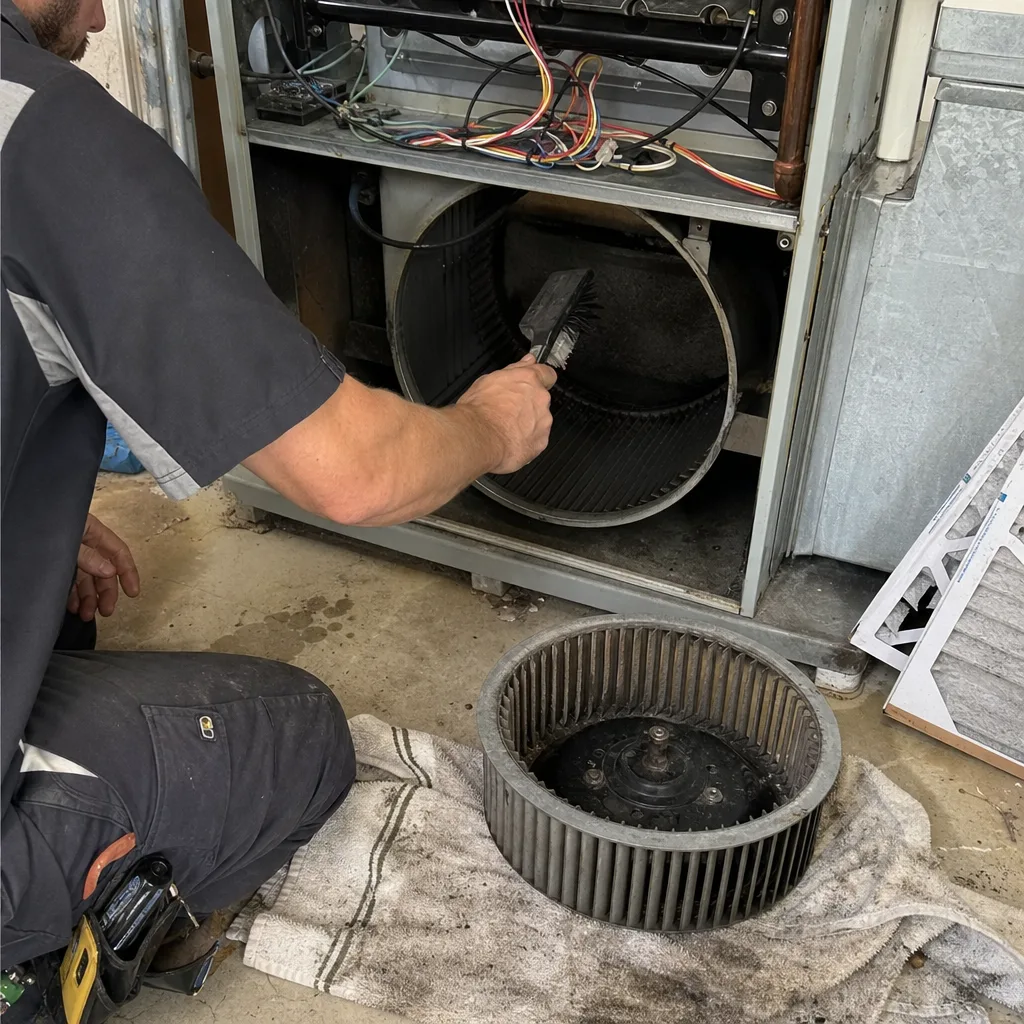
Most Johns Creek homes don’t need annual duct cleaning, or any cleaning on a fixed schedule. When conditions genuinely warrant it - post-renovation debris, mold on hard surfaces, or construction dust - the difference between a legitimate job and a wasted payment comes down to documentation: written scope before work, source removal during work, and photo verification after. The $79 coupon industry survives because homeowners can’t see inside their ducts. Demand that visibility. Get the written price, the named equipment, the labeled photos, and the written warranty before anyone touches your system. Anything less is a gamble with your money and your air quality.
CleanRun Air Duct Cleaning Johns Creek offers free written estimates with no obligation - call (470) 326-1926 to schedule an inspection. Every job is backed by the 365-Day Done Right Promise, Haven Standard Clause 1 written pricing, and a Documented Photo Record of every duct run. Since 2013, we’ve served over 52,000 homes with one flat price agreed before work starts and a complete photo record delivered when we leave.
Written by Tomas Reyes, Owner at CleanRun Air Duct Cleaning Johns Creek, serving Johns Creek since 2013. For more guides & resources, visit our blog.