
Whole-system duct and dryer vent check with before-and-after photos - you see exactly what came out of your vents
That "$99 whole-house special" is a bait ad - the real number appears once they are in your hallway, or the "clean" is a shop-vac at the register. We photograph the inside of your ducts before and after instead.
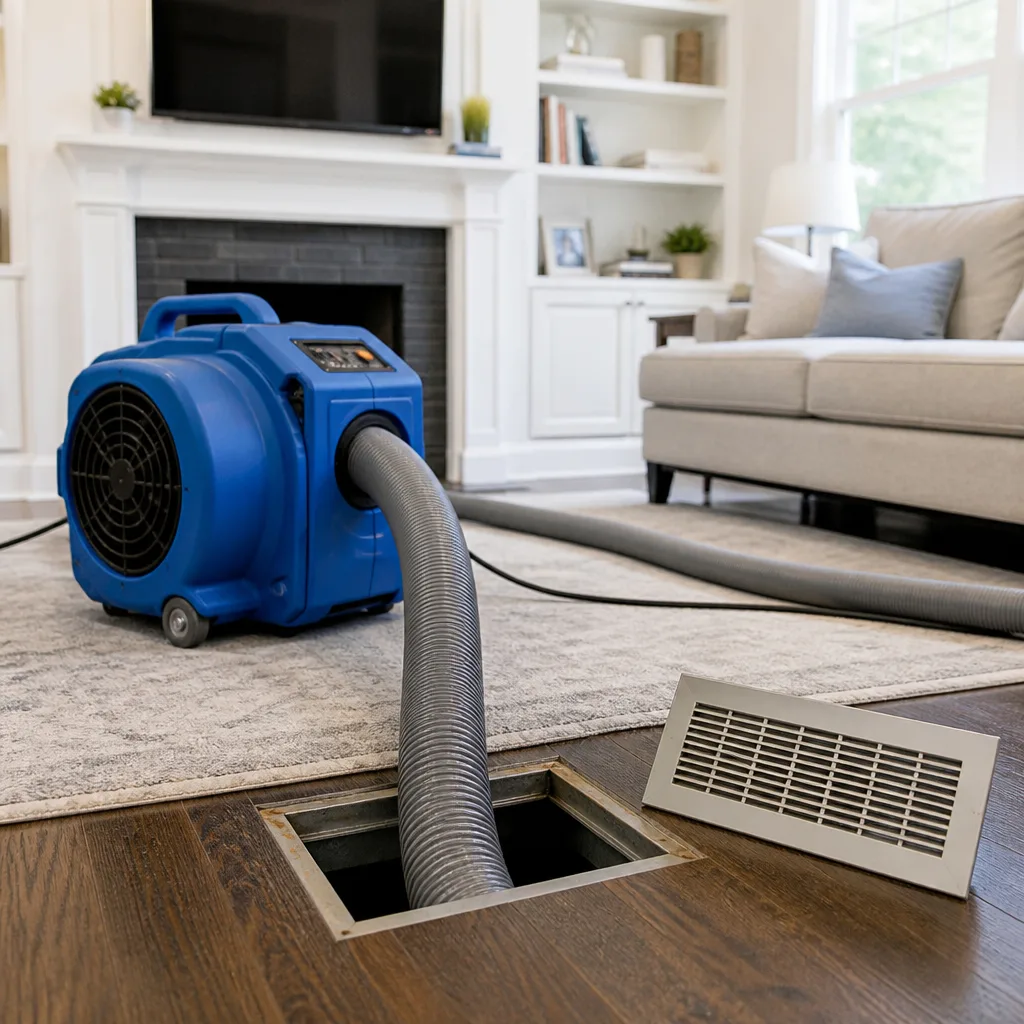
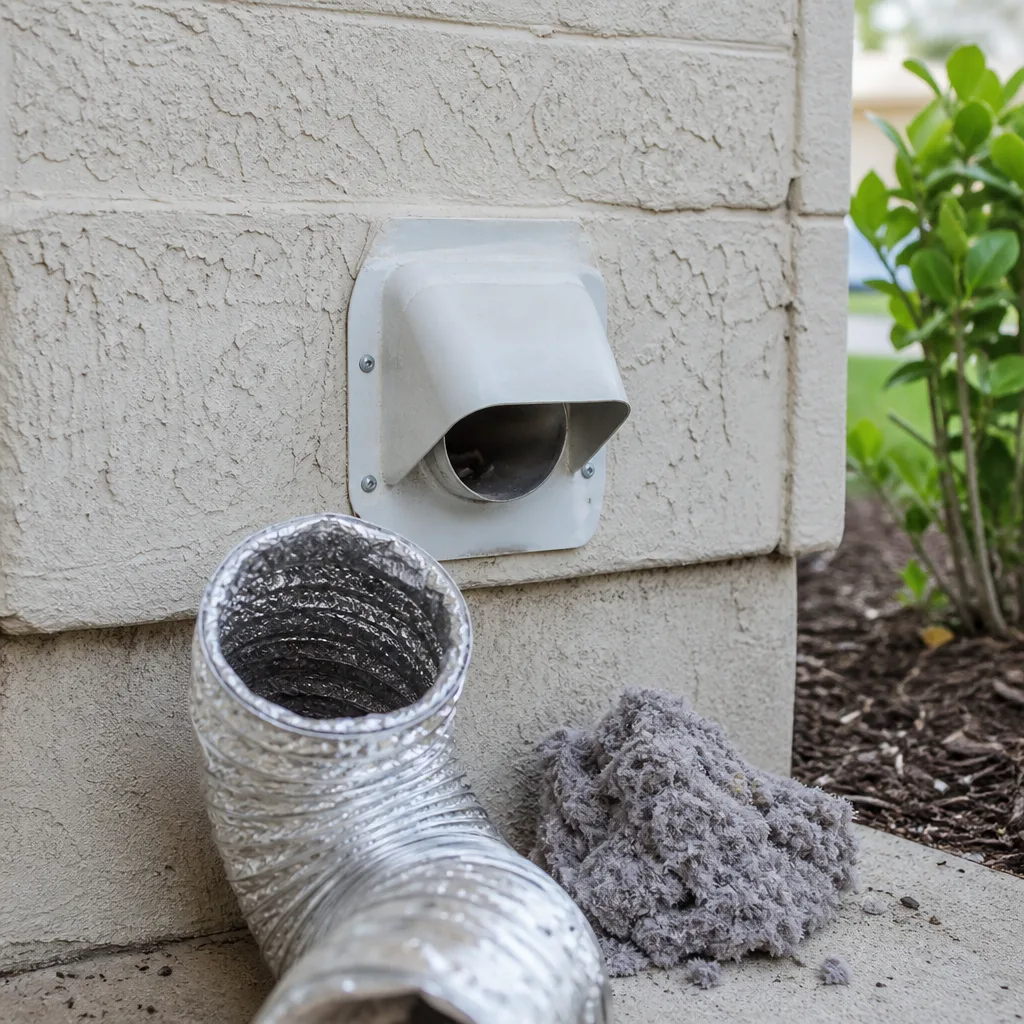
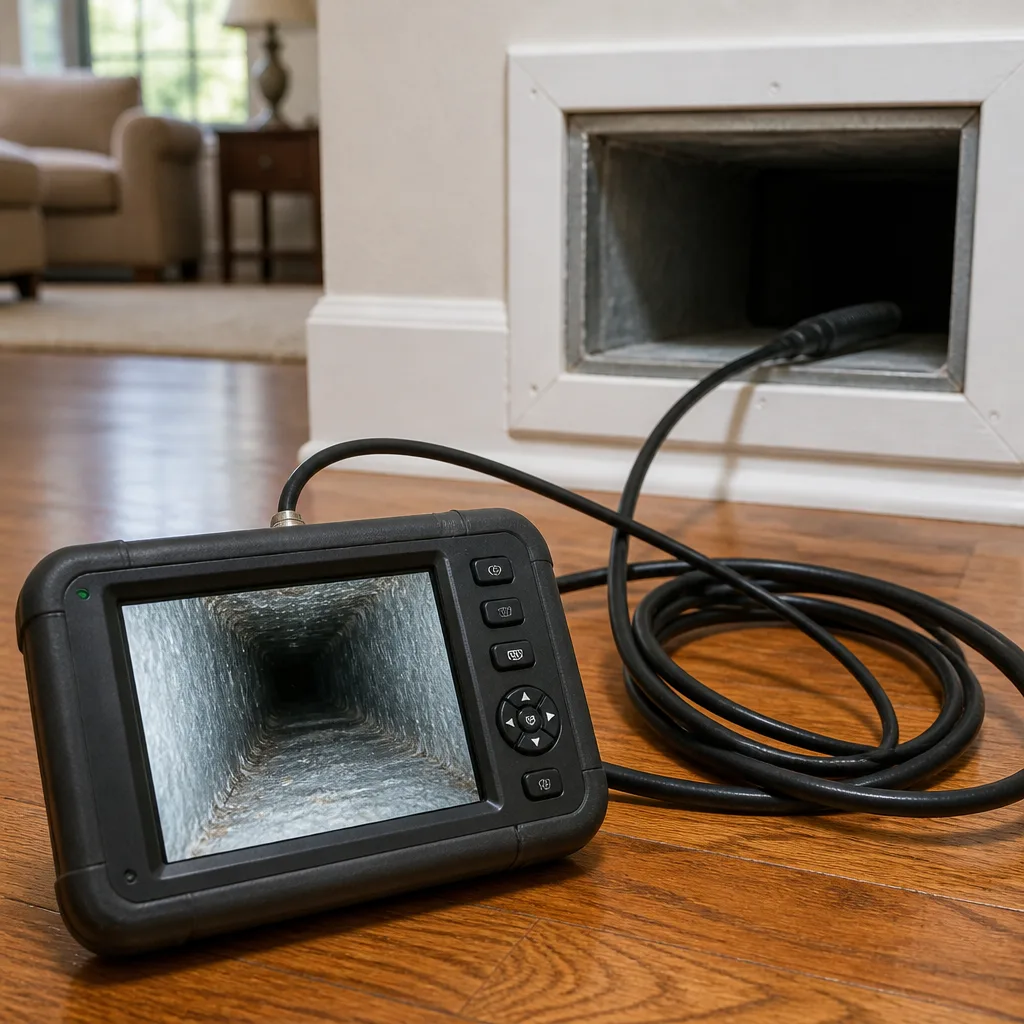
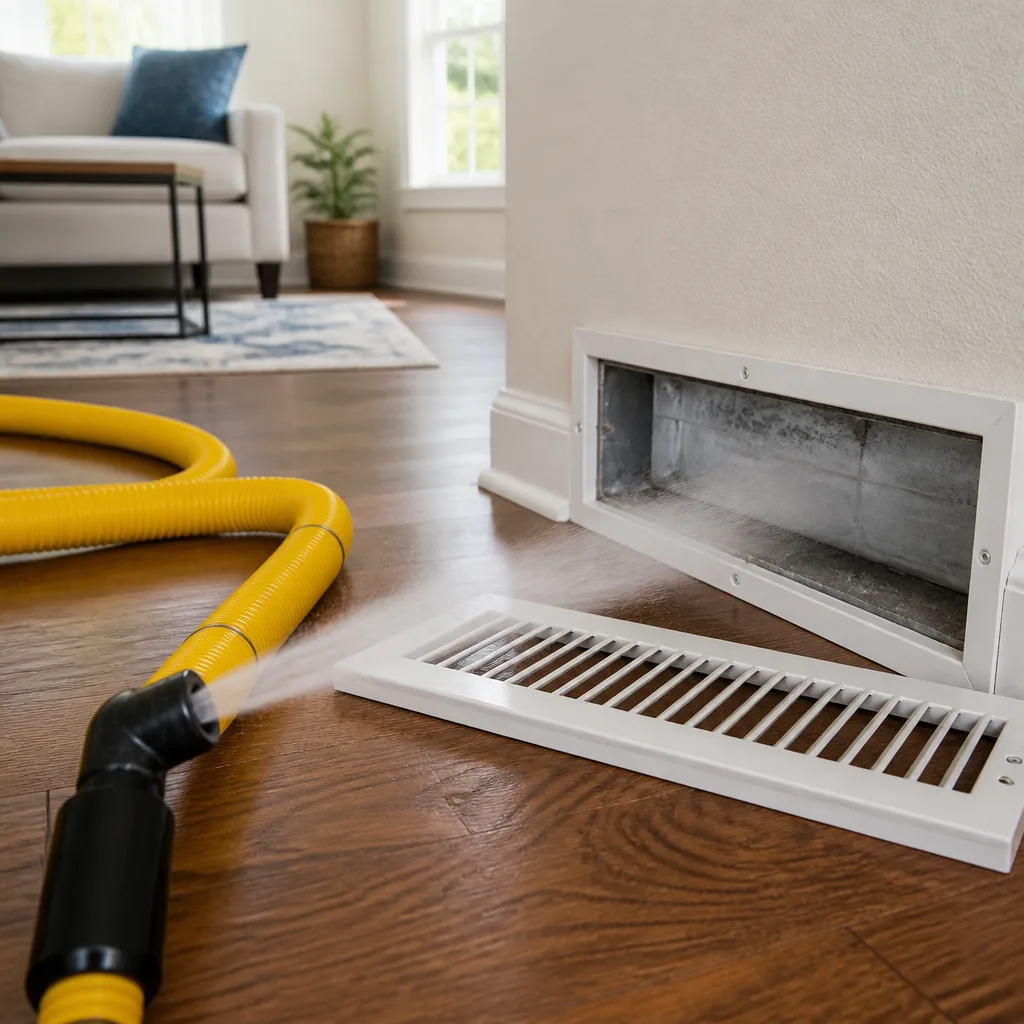
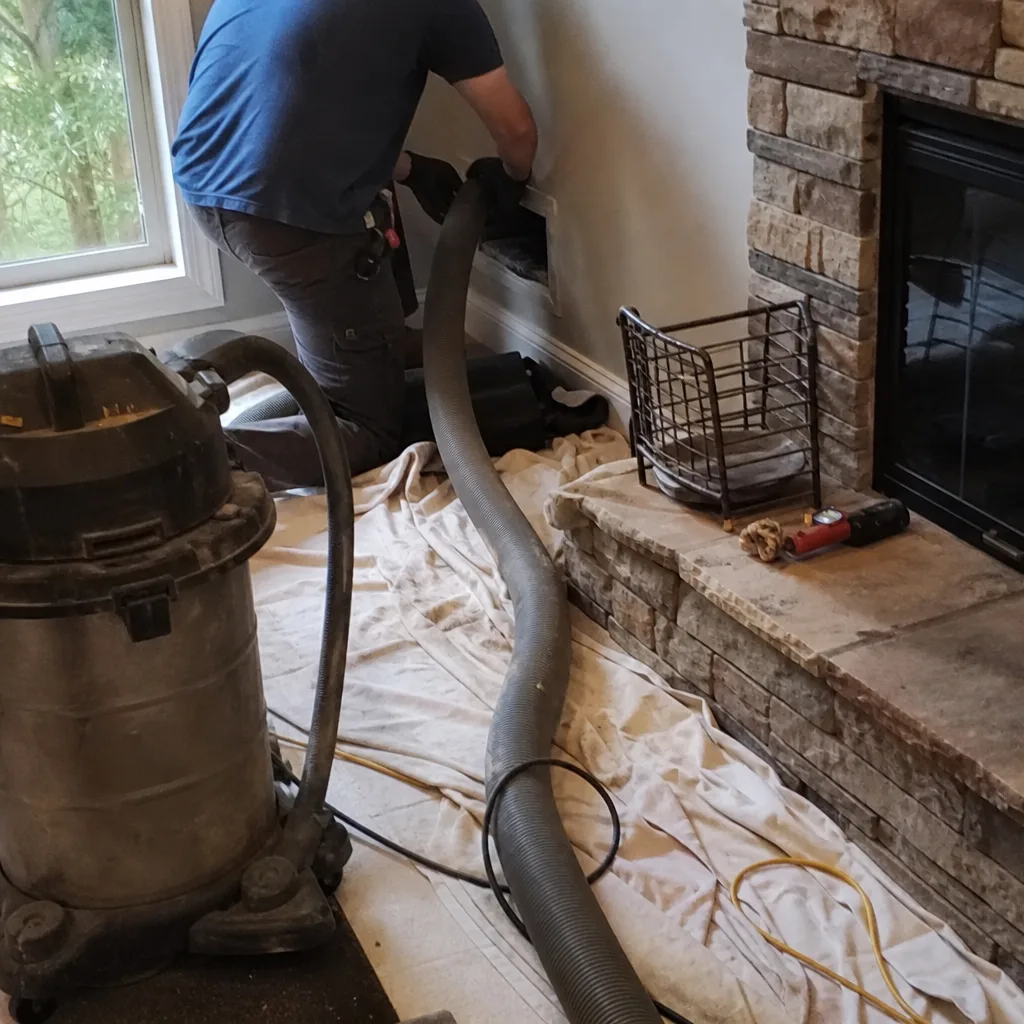 Before
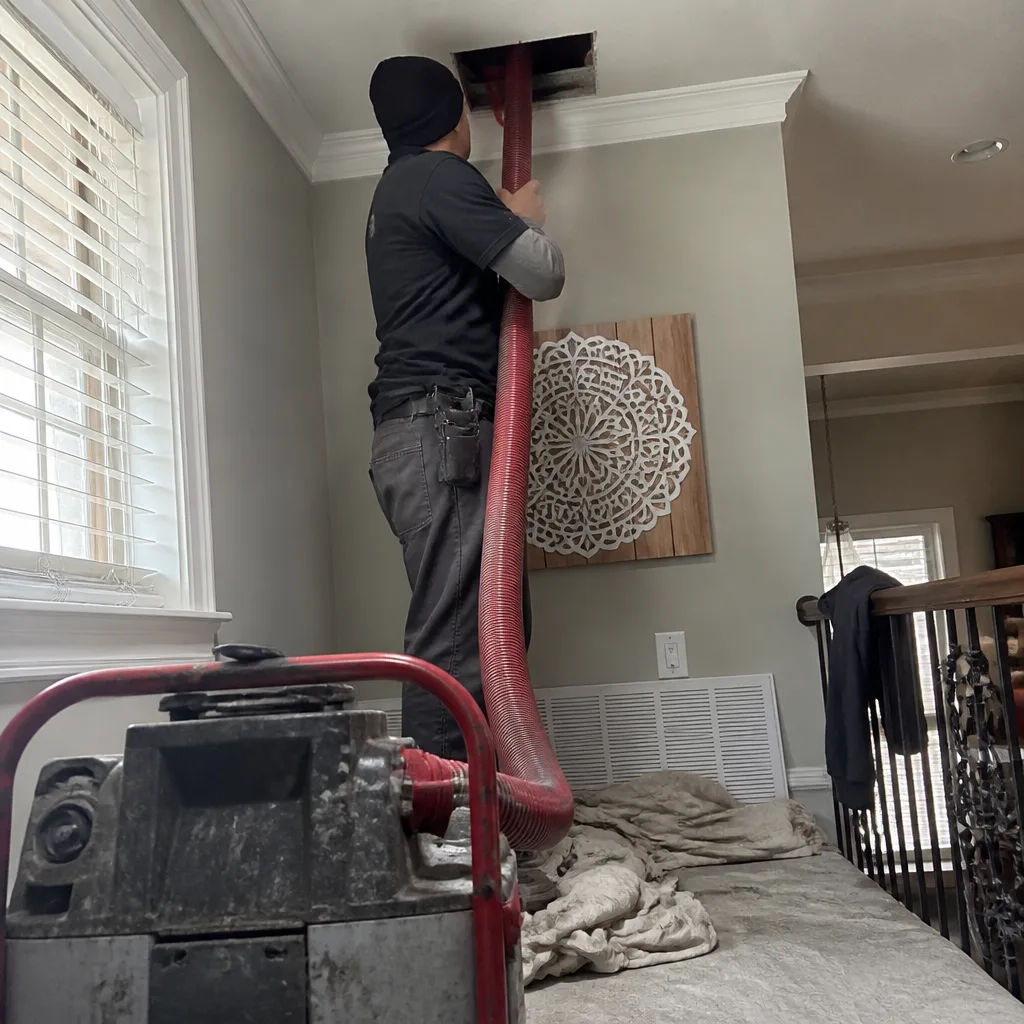 After
After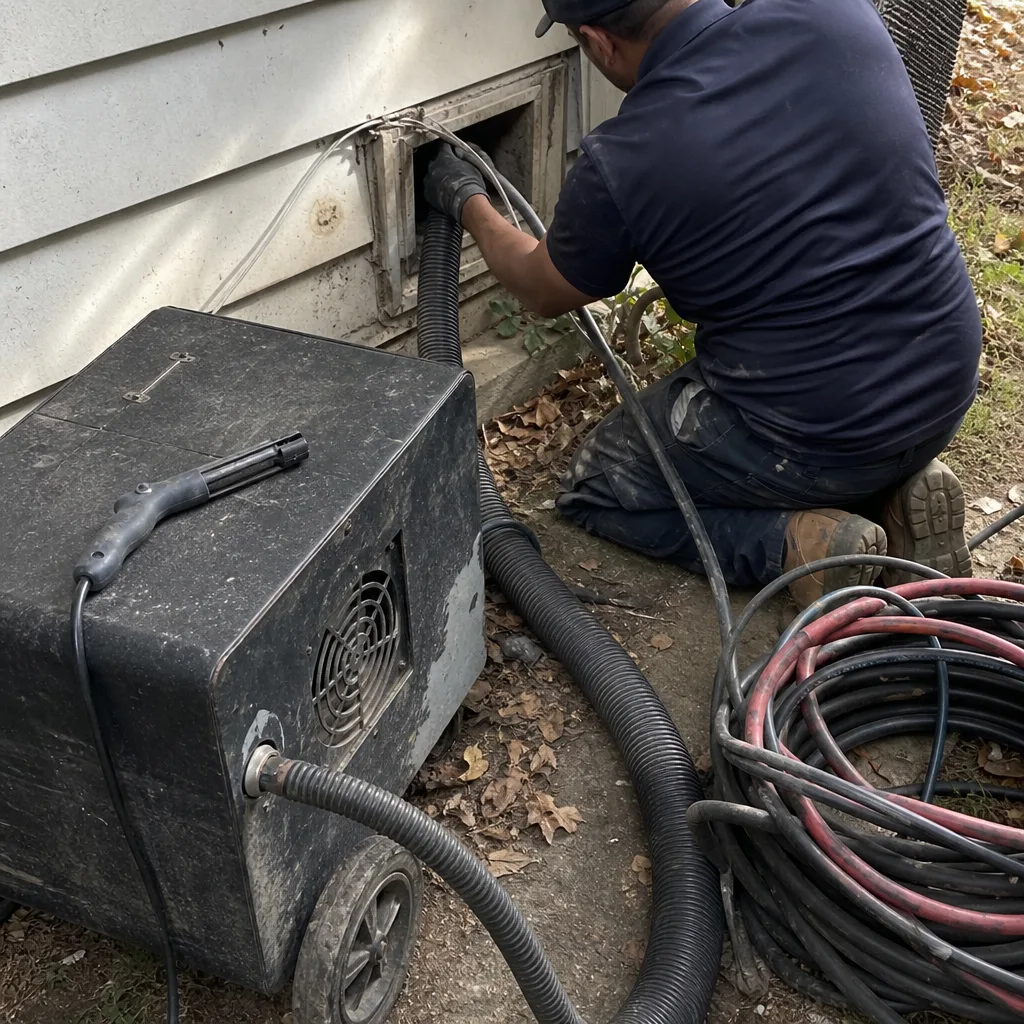 Before
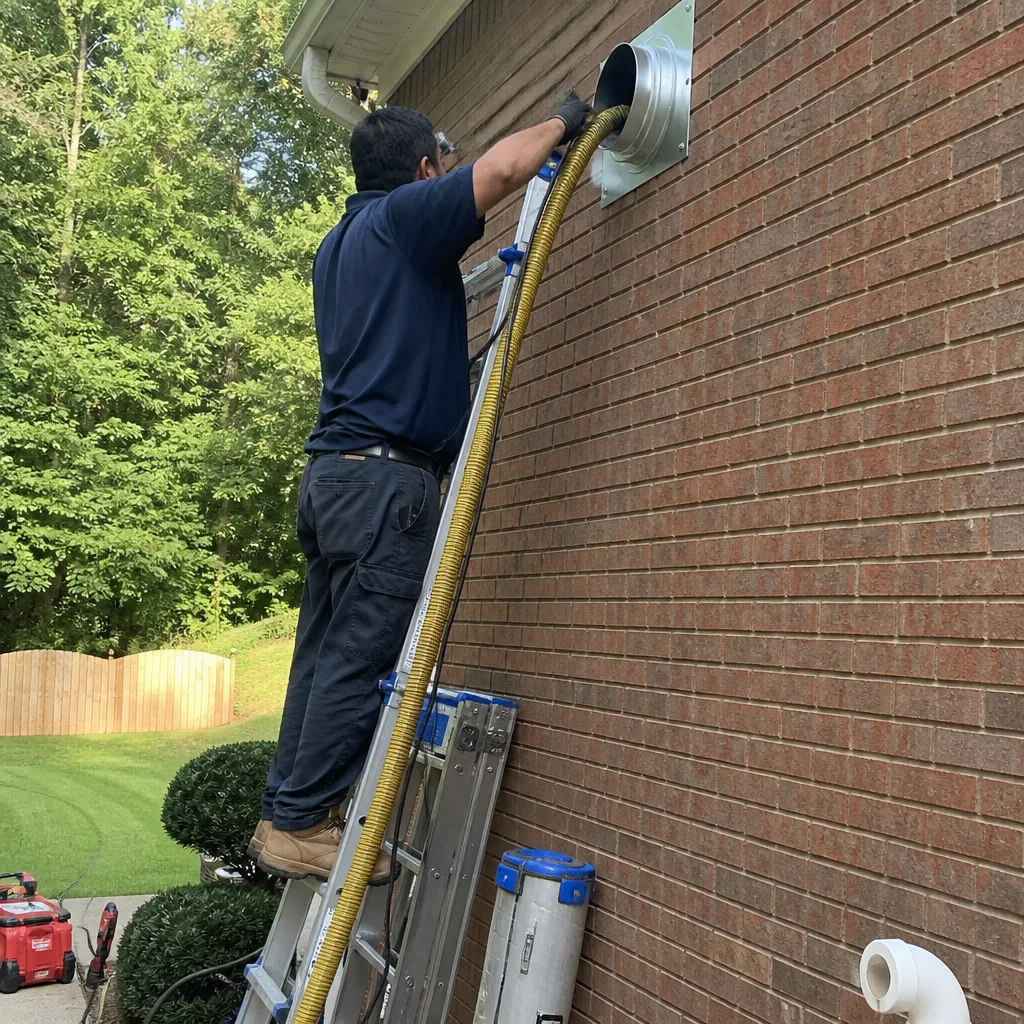 After
After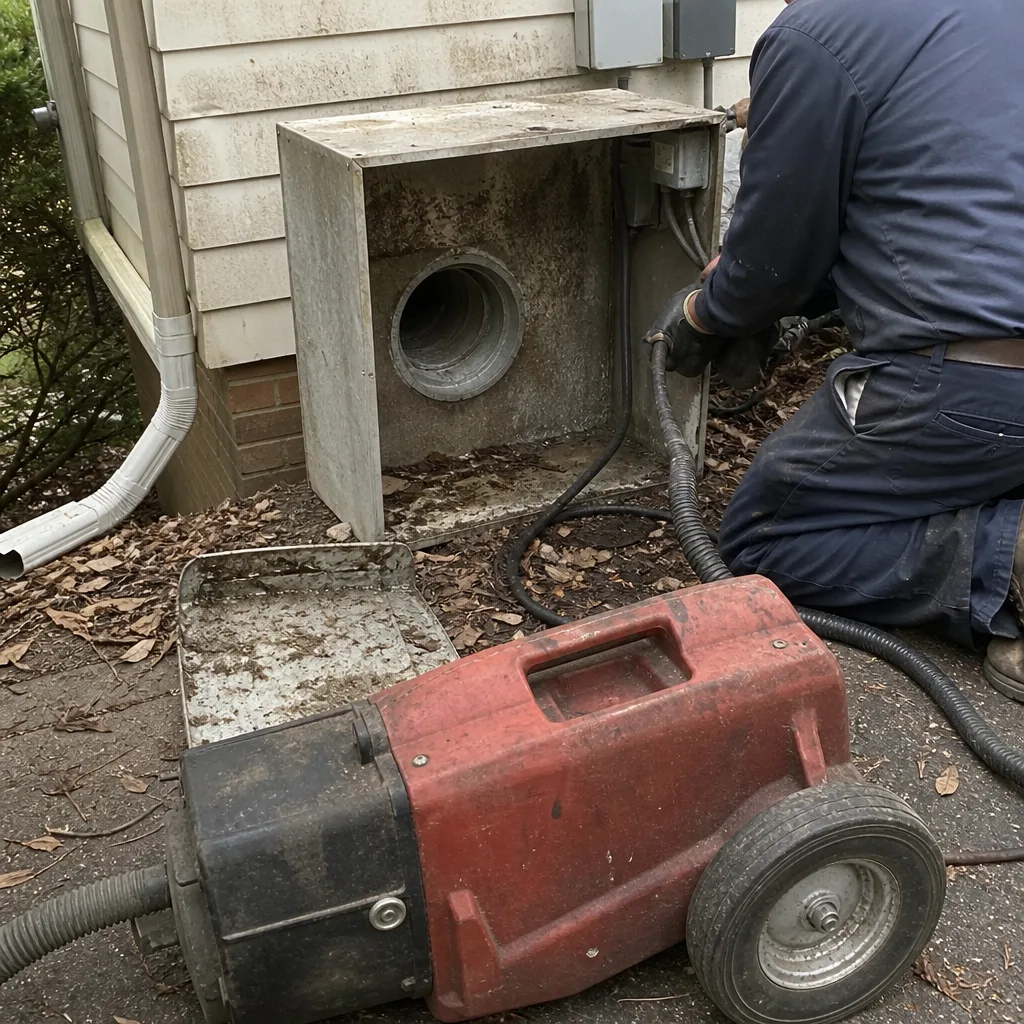 Before
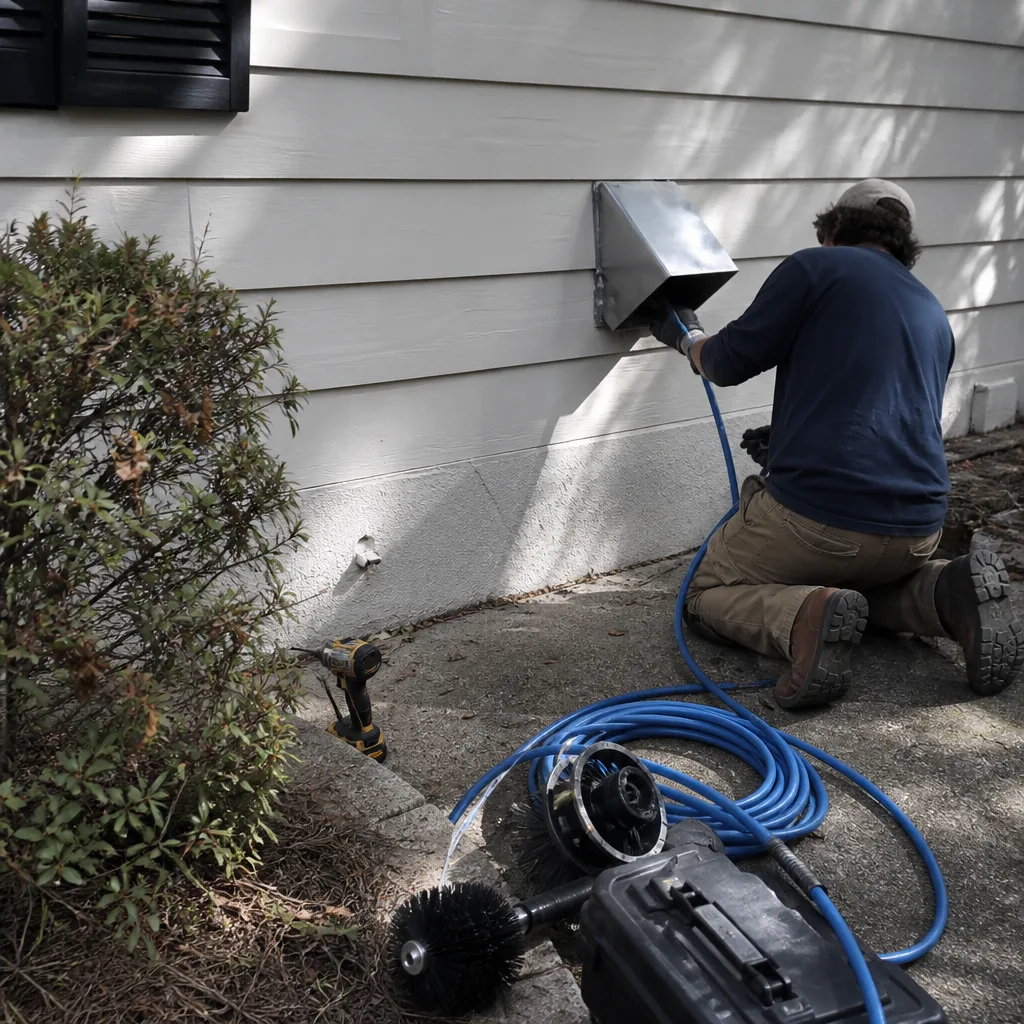 After
AfterHoneywell Coil Cleaning: The Johns Creek Owner’s Guide
CleanRun stocks and installs Honeywell-compatible evaporator and condenser coil cleaning for residential HVAC systems throughout Johns Creek, with typical whole-system service priced from $340 to $580 depending on accessibility and contamination level. Most Honeywell coil cleanings are completed in a single scheduled visit, and we carry the full chemical lineup and low-pressure applicators matched to Honeywell’s fin specifications on every truck. Homeowners usually notice the problem first through a spike in their Georgia Power bill, or they spot ice forming on the copper lineset outside during a July afternoon when the system can’t keep up with Johns Creek’s 90-degree, 75-percent-humidity afternoons.
Which Honeywell Models This Applies To
Honeywell coils appear in three primary residential configurations across Johns Creek homes: cased A-coils in horizontal-flow air handlers (common in attic installations above the second floor), slab coils for vertical upflow/downflow furnaces, and uncased coils for custom plenum builds in older zoned systems. The critical identifier is the model sticker on the coil header, not the air handler cabinet. Look for a nine-digit code beginning with C, N, or T, followed by width and height dimensions in inches. A “C36” denotes a 3-ton cased coil at 14.5 inches wide; an “N48” is a 4-ton slab at 17.5 inches.
The OEM-versus-aftermarket question for Honeywell comes down to fin density and corrosion coating. Honeywell’s original aluminum fins run 8 to 12 fins per inch with a hydrophilic coating that sheds condensate efficiently. Generic replacement coils often ship at 14 fins per inch, which improves theoretical heat transfer but clogs faster in Johns Creek’s heavy pollen seasons, particularly in homes backing up to the Chattahoochee River corridor where cottonwood and oak debris load is severe. We stock OEM-spec foaming cleaner and matching fin combs on every truck, and we’ll show you the fin count on your existing coil before we quote anything.
CleanRun Air Duct Cleaning Johns Creek is an independent service provider, not affiliated with Honeywell International. We also stock parts and cleaning systems for Lennox, Trane, and Carrier equipment.
Signs Your Honeywell Coil Cleaning Is Failing
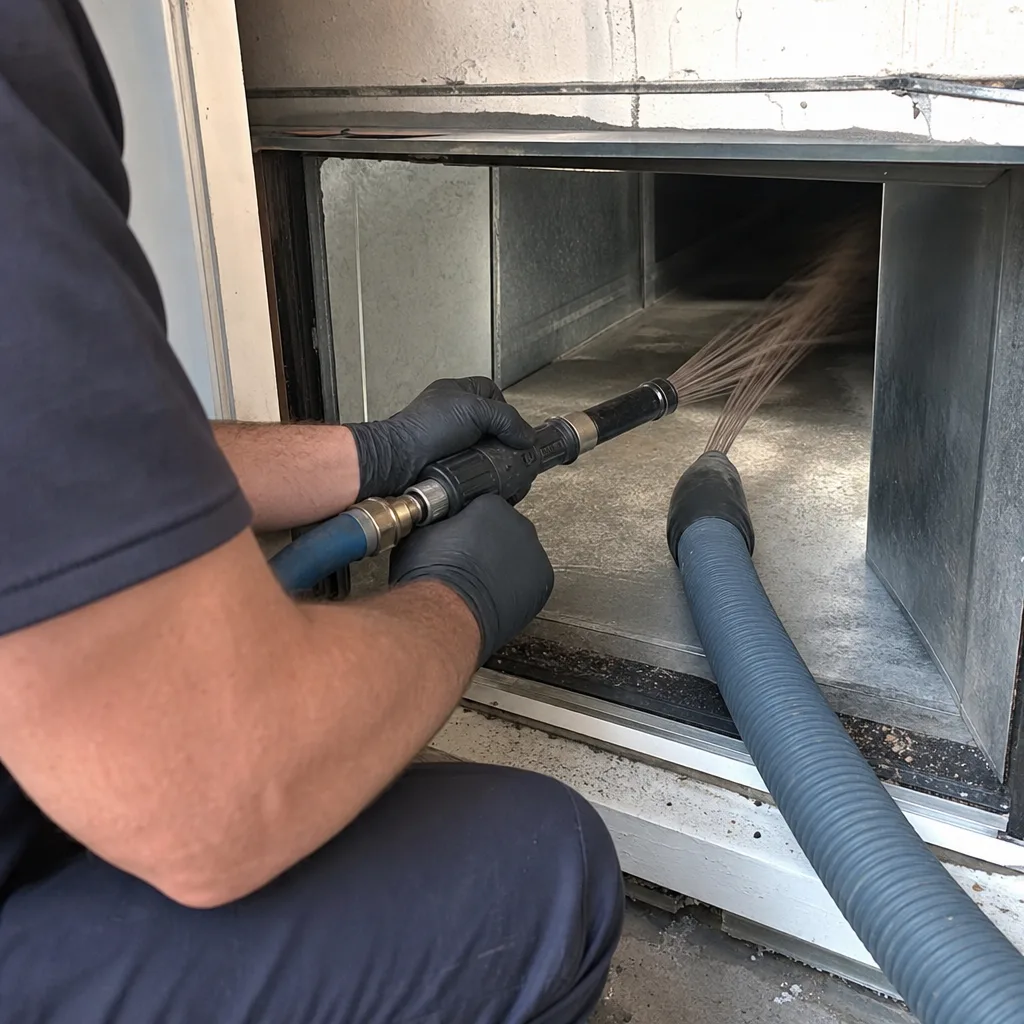
- Ice buildup on the refrigerant lines or coil itself. When fins are clogged with dust and biological growth, airflow drops below the 350 CFM per ton minimum and the coil temperature falls below freezing. The ice you see outside starts at the evaporator inside, and in Johns Creek’s humidity, it compounds fast.
- System runs continuously without reaching setpoint. A dirty coil can’t absorb enough latent heat, so the compressor never cycles off. We see this most in two-story homes around Medlock Bridge where the upstairs zone calls for cooling while the downstairs satisfies, masking the problem for weeks.
- Musty or sour odor from registers. Honeywell’s hydrophilic coating is designed to prevent water pooling, but once biofilm establishes between fins, the coating degrades and standing water breeds microbial growth. The smell hits first from the return-side registers.
- Water staining around the air handler or secondary drain pan. Restricted airflow reduces condensate velocity in the primary drain, causing overflow. In Johns Creek’s crawlspace and basement installs, this often goes unnoticed until the subfloor shows damage.
- Utility bill increase of 15% or more month-over-month with no rate change. A coil with 50% fin blockage forces the compressor to run 20 to 30% longer for the same cooling output. Georgia Power’s usage graphs make this pattern easy to spot, and we ask customers to pull three months of data before we arrive.
BeforeAfterReplacement Cost & What’s Included
For Johns Creek homes, Honeywell coil cleaning service runs $340 to $580 for a complete evaporator or condenser cleaning, with the final price set after visual inspection and before any chemical touches metal. The lower end covers accessible A-coils in open attic or closet installations with moderate contamination; the upper end applies to buried slab coils behind secondary return boxes, heavy biological loading requiring multiple foam applications, or condenser units with bent fins requiring straightening.
Every Honeywell coil cleaning includes: foaming cleaner matched to aluminum-hydrophilic fin stock, low-pressure rinse to prevent fin collapse, fin comb restoration where bending is present, primary and secondary drain line flush, and a Documented Photo Record of the coil condition before and after. The written scope and price are delivered under Haven Standard Clause 1 before work begins. The 365-Day Done Right Promise covers the cleaning effectiveness, not a generic satisfaction statement.
Equipment on this job: Rotobrush negative-pressure extraction systems, Nikro HEPA vacuums, and Honeywell-spec foaming applicators, all named so you can verify manufacturer specifications independently.
DIY or Call Us?
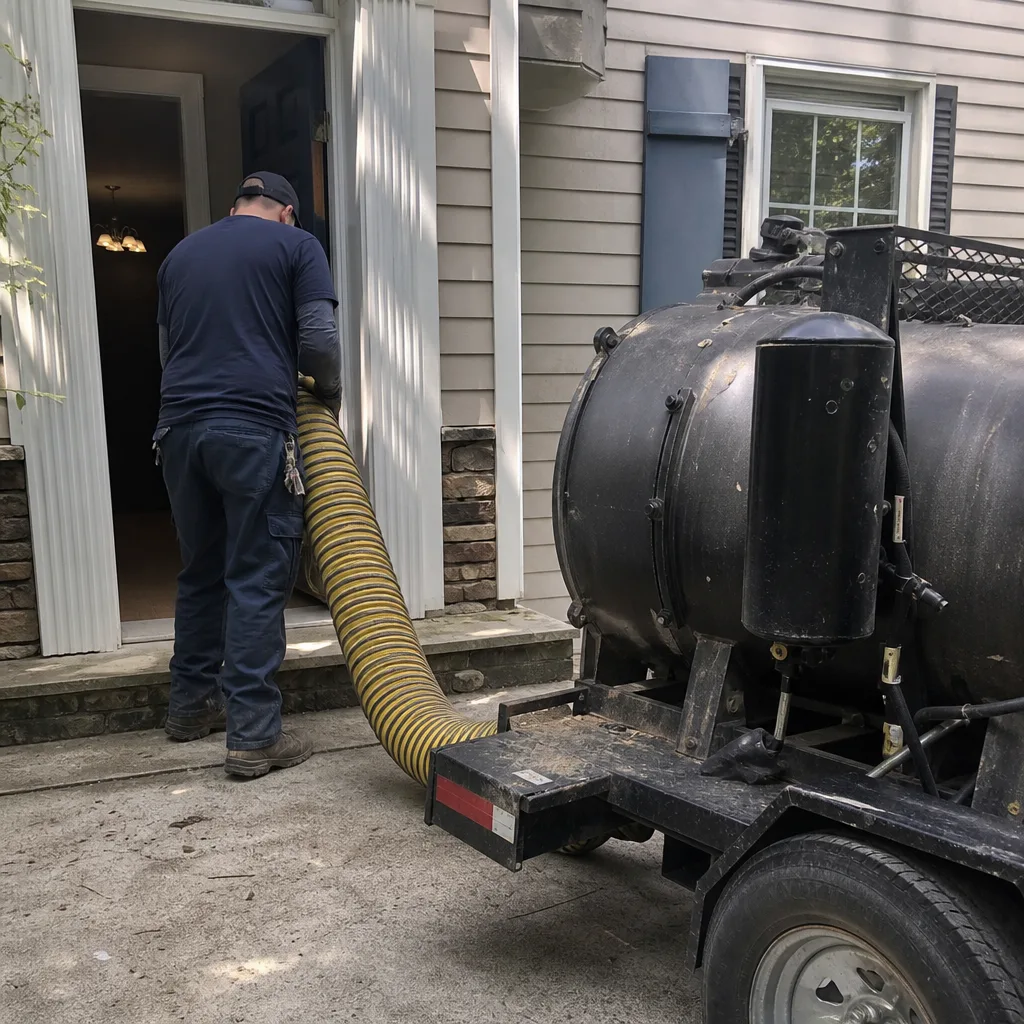
An owner can safely check three things: verify the air filter is clean and correctly seated, confirm all supply and return registers are open and unblocked, and inspect the condensate drain line exit for visible clogging at the termination point. These are diagnostic steps, not fixes, and they help us understand the system history when you call.
What goes wrong with DIY coil cleaning: household pressure washers fold fins at 1,200 PSI, bleach-based cleaners corrode aluminum and void remaining warranty coverage, and undiluted foaming agents leave residue that traps future debris. More critically, the evaporator coil sits downstream of the blower in a plenum box that requires panel removal; in Johns Creek’s 2015-to-2022 builds, many of these panels are interlocked with safety switches that, if forced, trigger lockout codes requiring professional reset. The refrigerant lines are pressurized and the electrical disconnect is live. We don’t describe step-by-step access procedures because the risk profile doesn’t justify it. The photo goes first. The price comes after.
For a written price before any work starts, call CleanRun at (470) 326-1926. Estimates are free, and we offer a Free Second Opinion on any competitor’s written estimate under the H.A.V.E.N. Standard.
FAQs
In Johns Creek’s climate, with heavy spring pollen and year-round humidity, a thorough cleaning typically maintains performance for 18 to 30 months before measurable fin blockage returns. Homes with pets, recent construction, or proximity to undeveloped land along the Chattahoochee may see shorter intervals. Call (470) 326-1926 and we’ll review your specific environmental factors as part of the estimate.
No. Once fin corrosion or biological etching has occurred, the physical damage is permanent; cleaning restores airflow and heat transfer to the maximum remaining capability of the coil, but it cannot rebuild aluminum. If the coil has reached that stage, we’ll document the damage photographically and quote replacement honestly rather than sell a cleaning that won’t solve the problem.
Most Honeywell coil cleanings require 90 minutes to 2.5 hours on site, depending on accessibility and whether both evaporator and condenser coils are being serviced. We schedule specific arrival windows, not all-day waits, and our technician is identified by name before arrival under Haven Standard Clause 3: Verified Crews.
Yes. Every CleanRun truck carries foaming cleaner matched to Honeywell fin specifications, aluminum-safe rinse agents, fin combs in 8, 10, and 12 fins-per-inch spacing, and HEPA extraction equipment. We do not leave a job to pick up parts, and we do not substitute generic chemicals when Honeywell-spec products are indicated.
Written by Tomas Reyes, Owner, CleanRun Air Duct Cleaning Johns Creek at CleanRun Air Duct Cleaning Johns Creek, serving Johns Creek and nearby areas.