
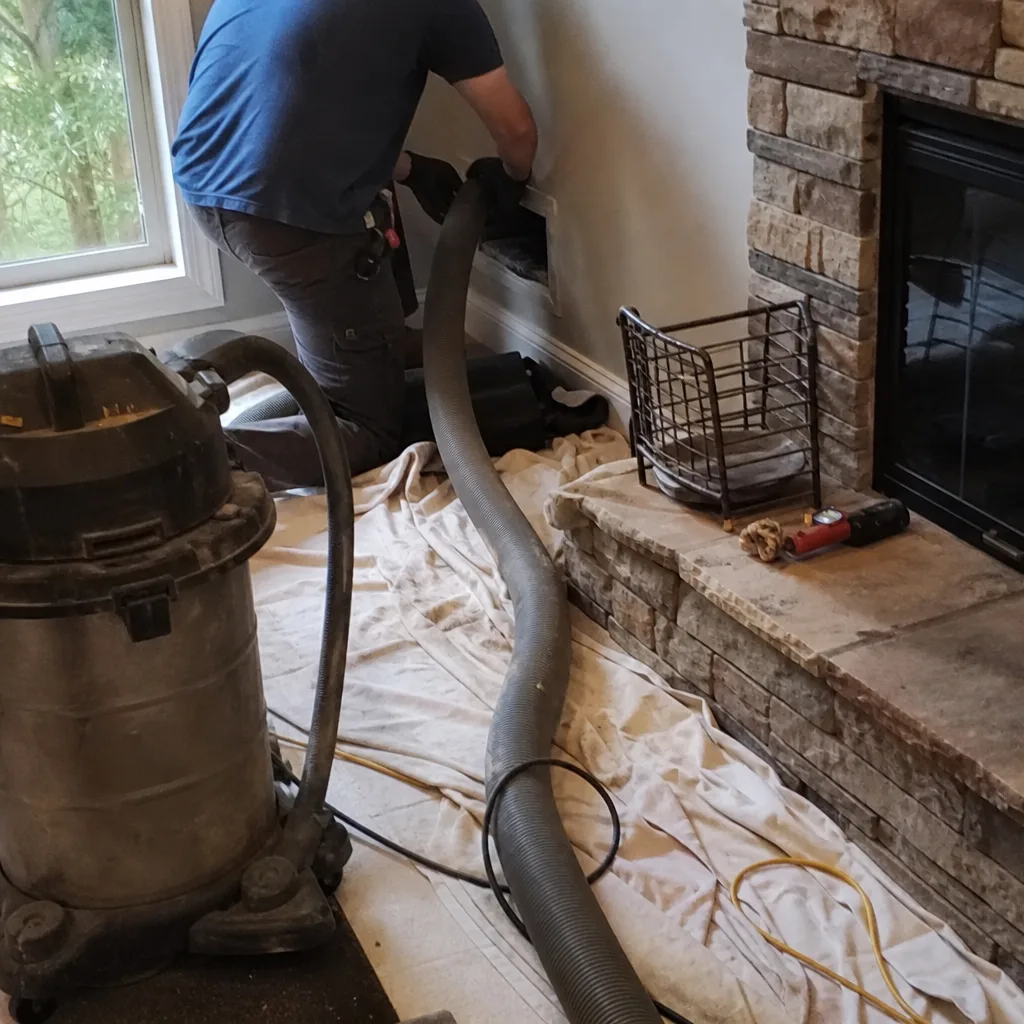
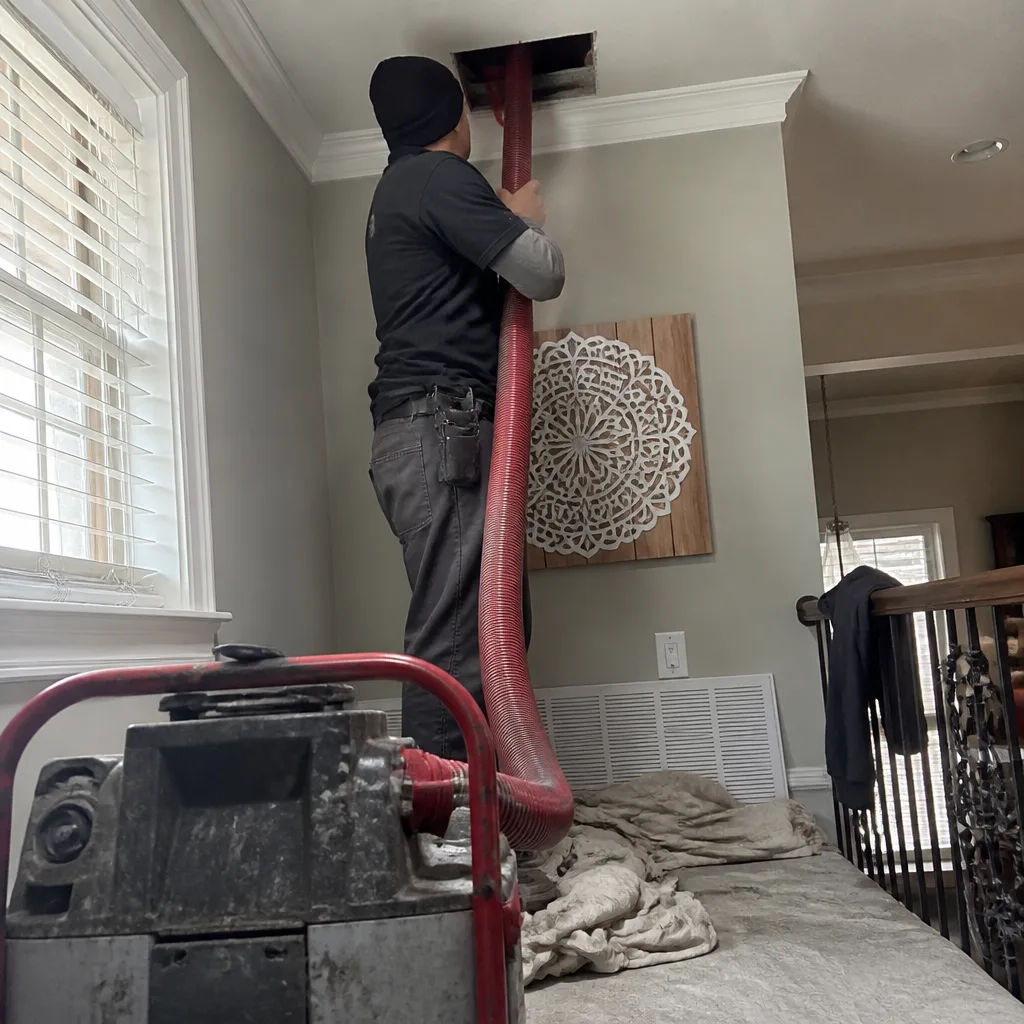
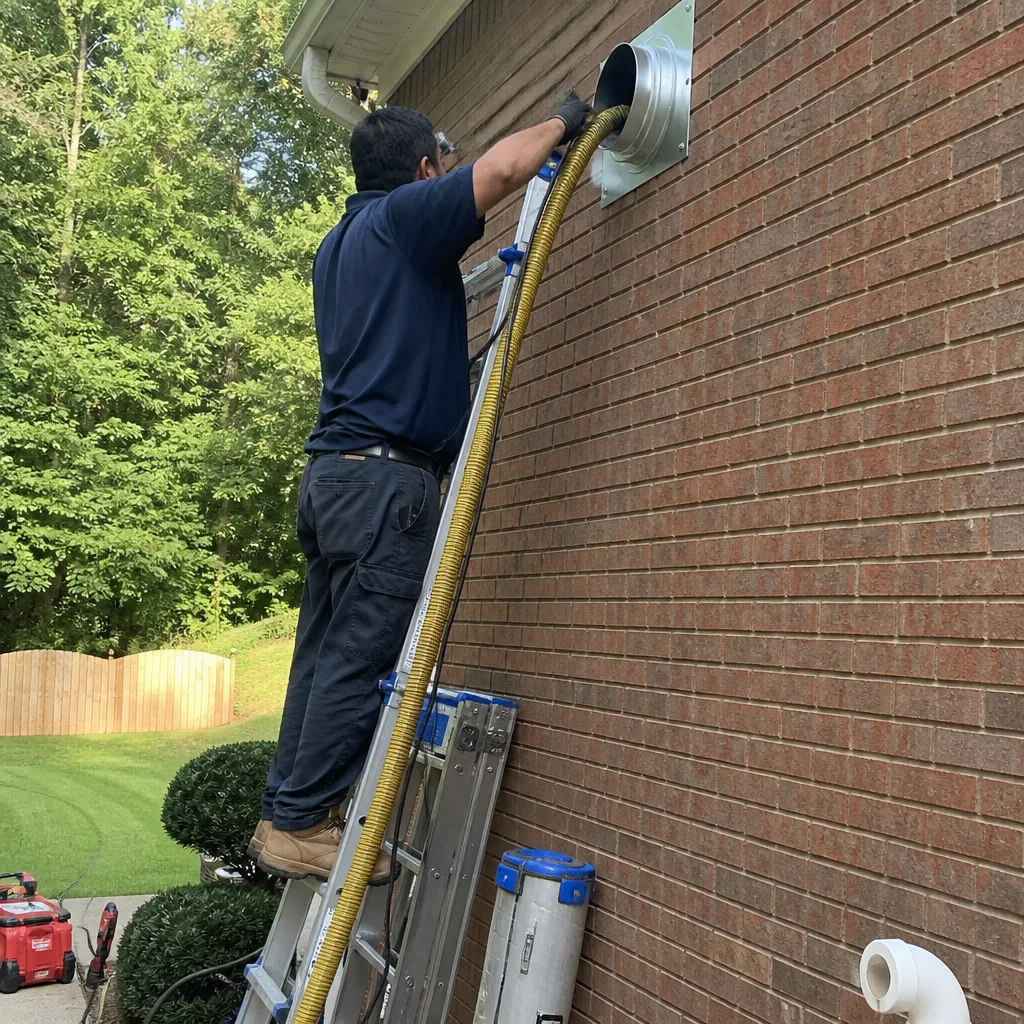
Whole-system duct and dryer vent check with before-and-after photos - you see exactly what came out of your vents
That "$99 whole-house special" is a bait ad - the real number appears once they are in your hallway, or the "clean" is a shop-vac at the register. We photograph the inside of your ducts before and after instead.
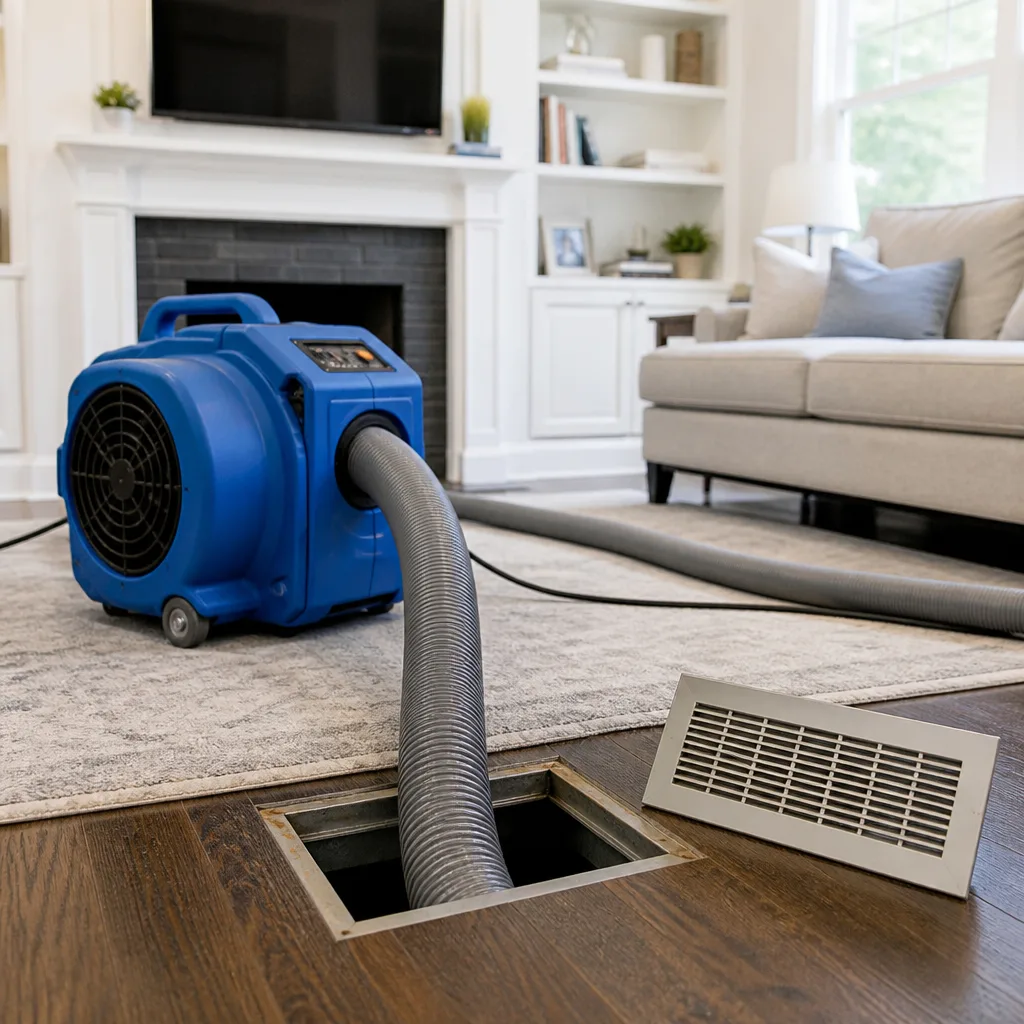
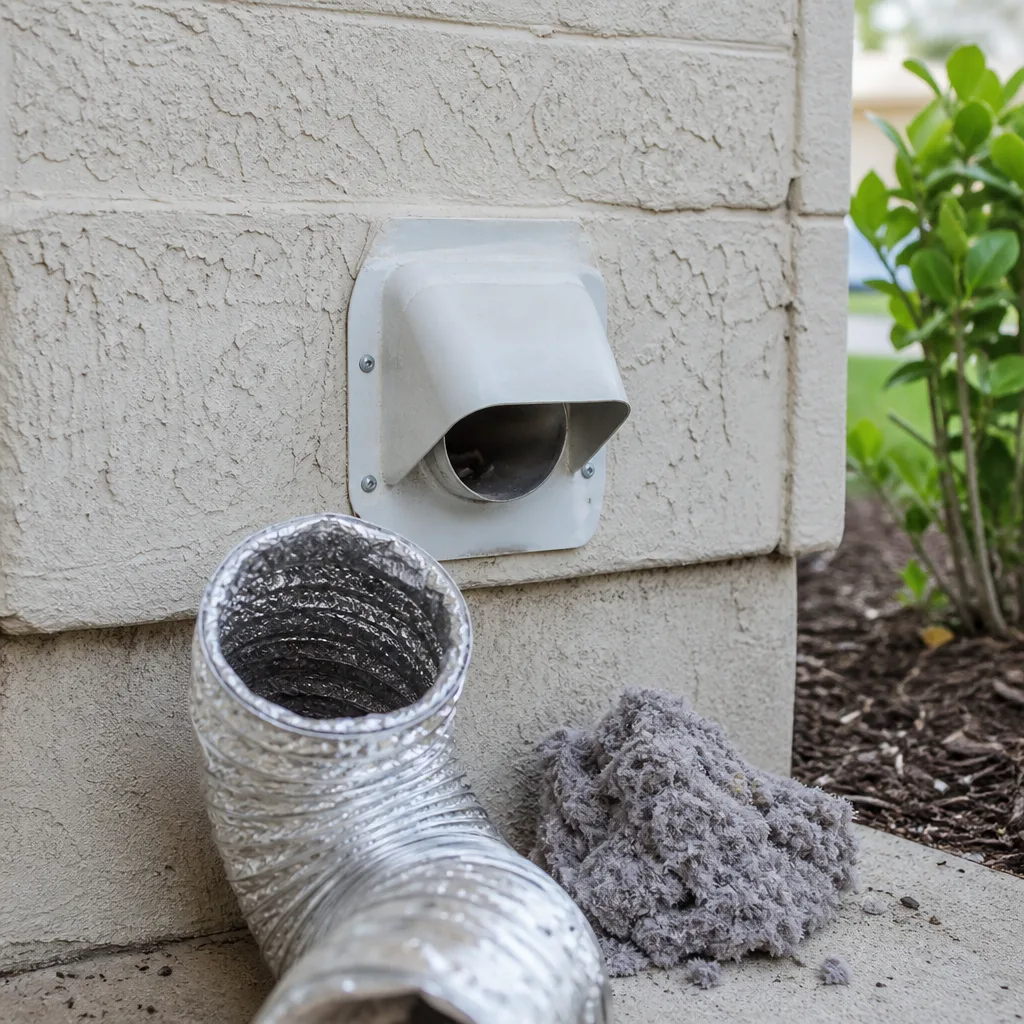
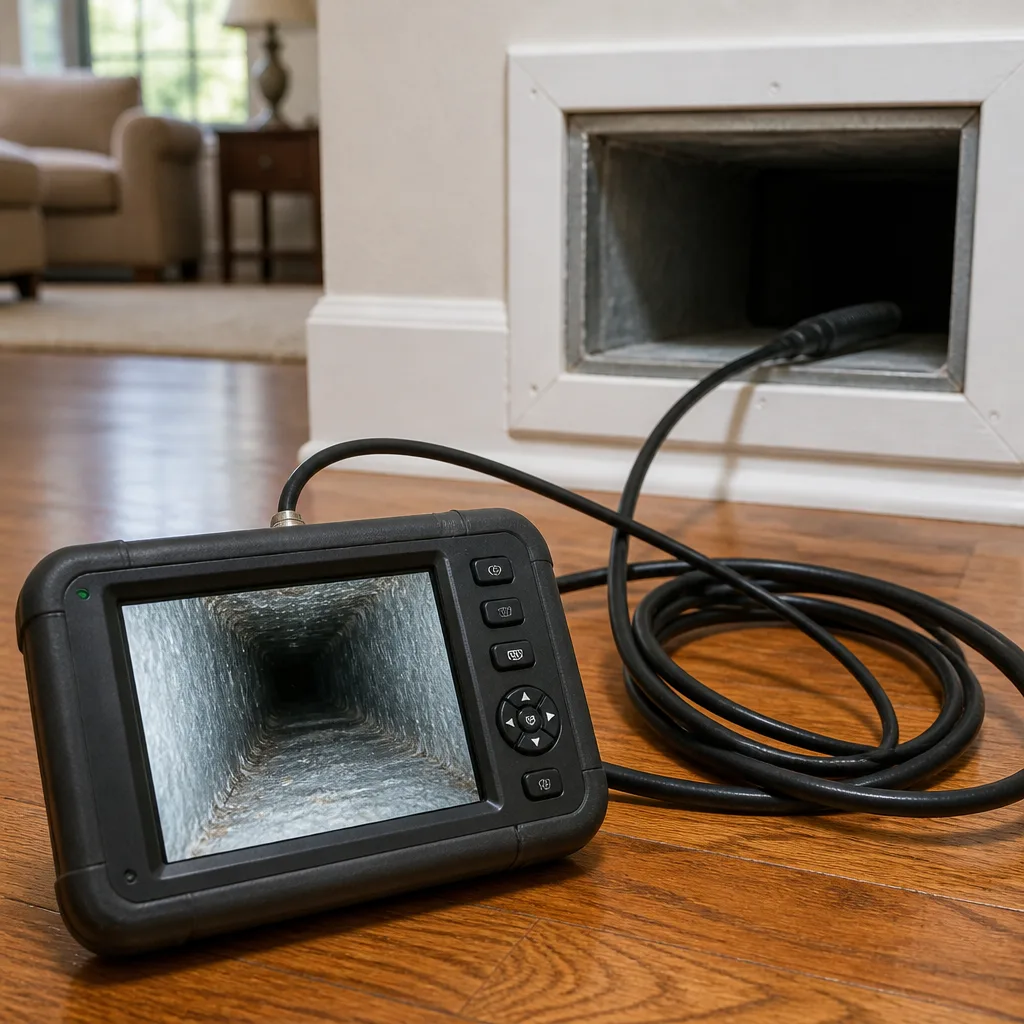
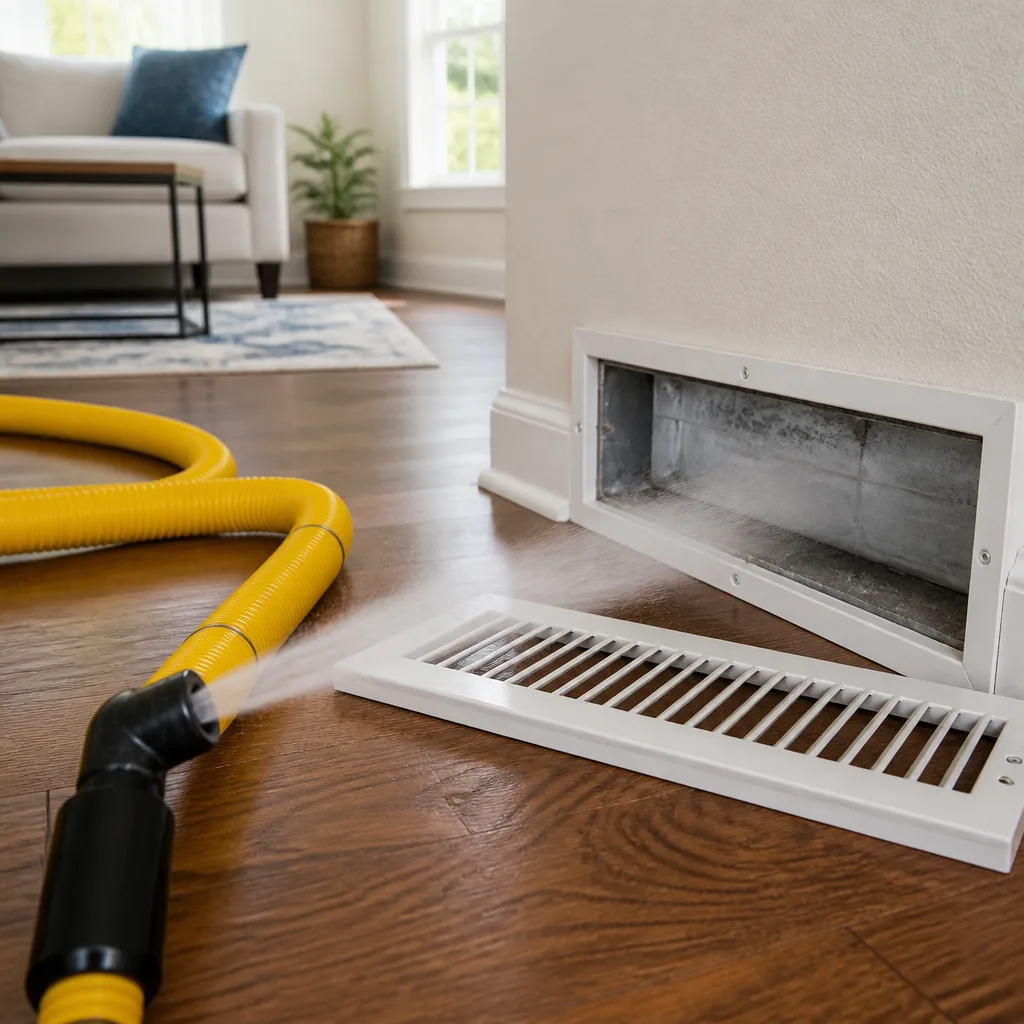
 Before
 After
After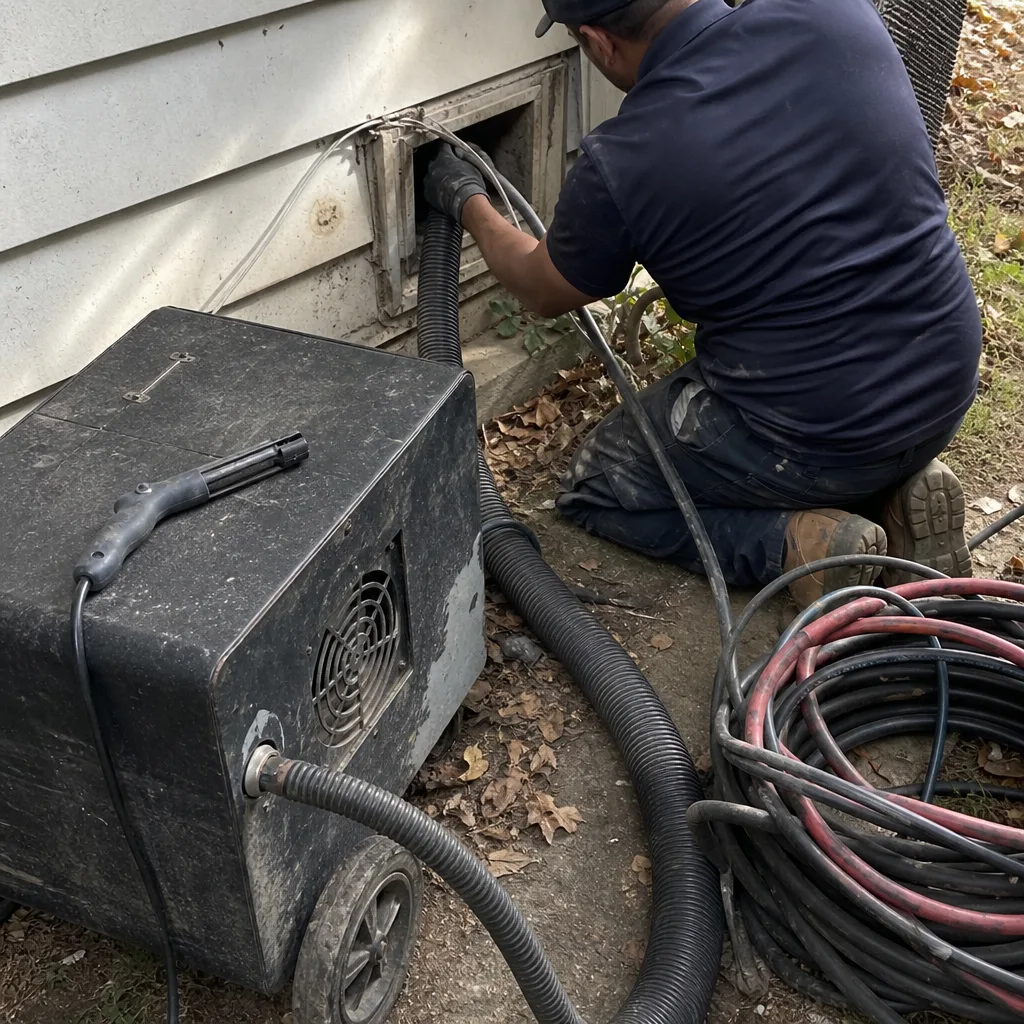 Before
 After
After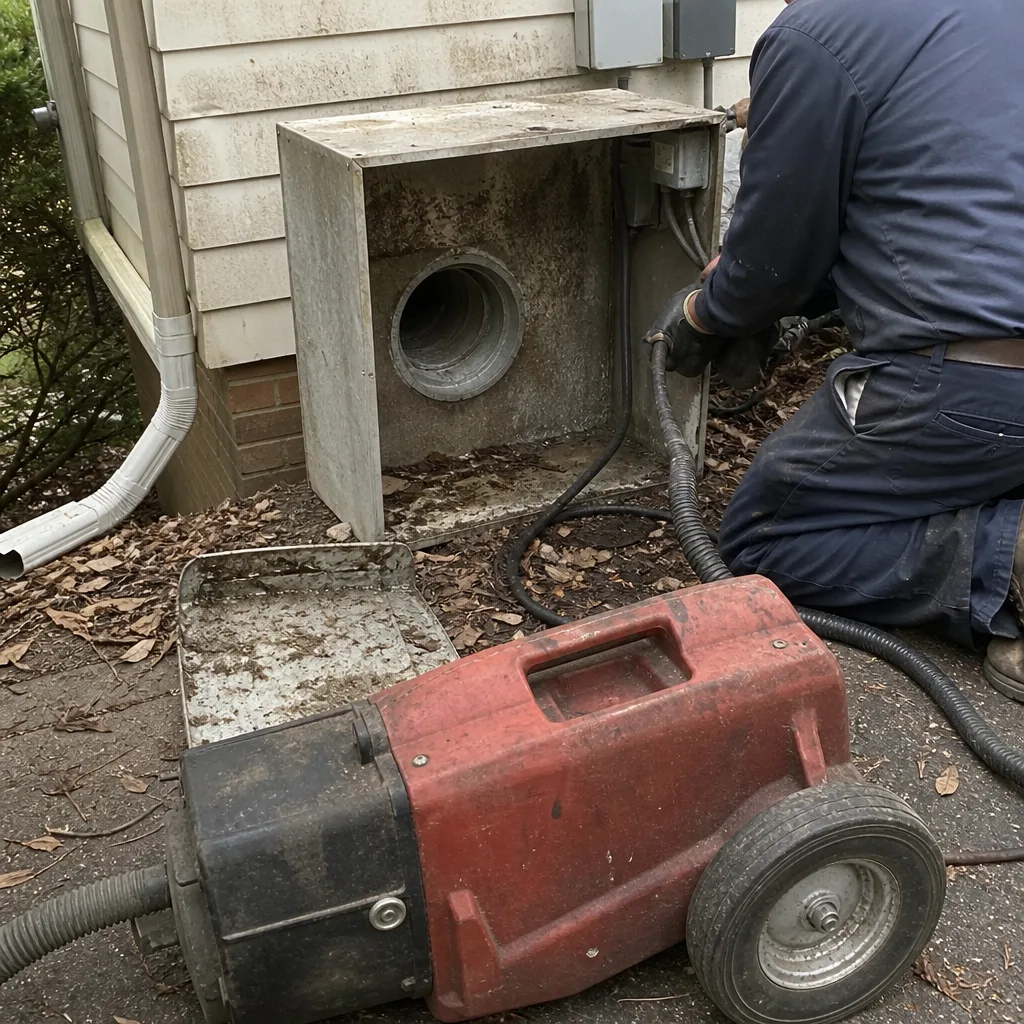 Before
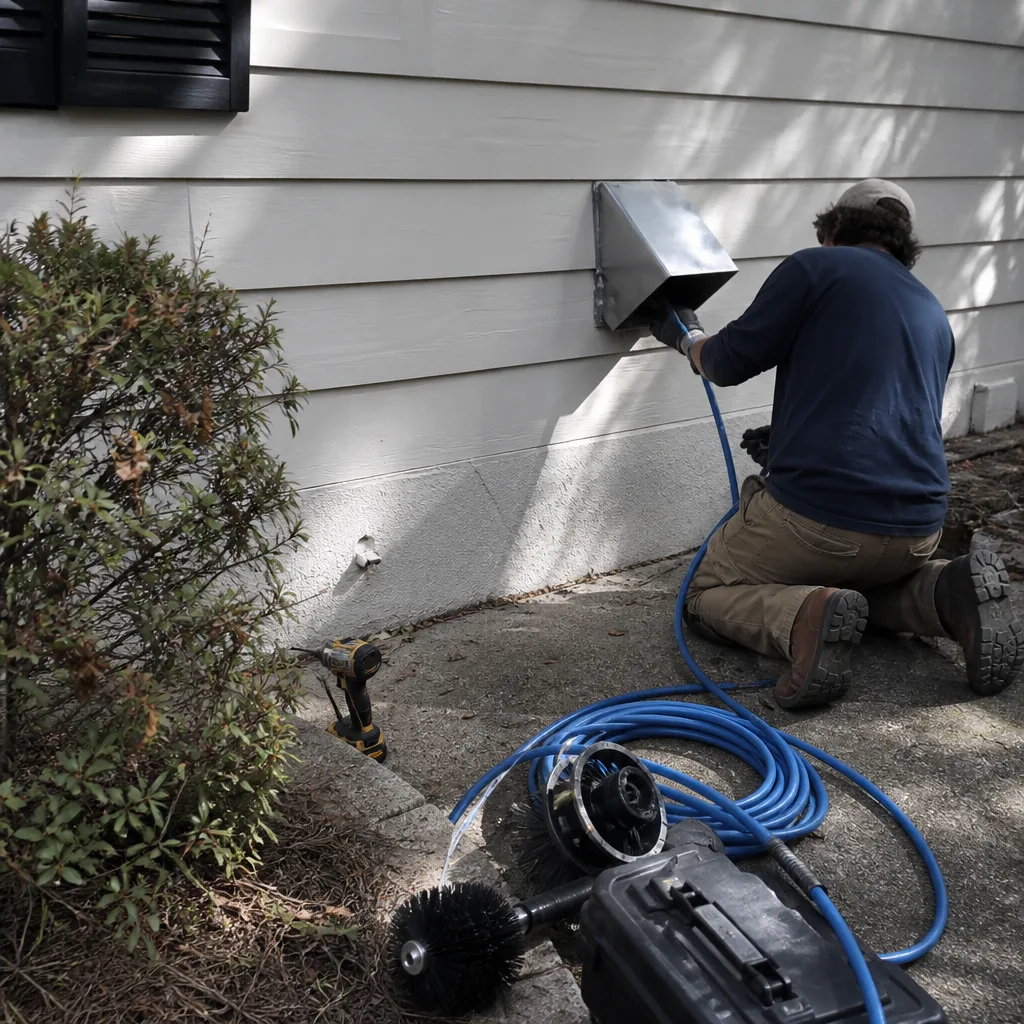 After
AfterHoneywell Vent Sanitizing: The Johns Creek Owner’s Guide
CleanRun stocks and installs Honeywell-compatible vent sanitizing systems in Johns Creek, with installed pricing typically running $340-$580 for a whole-system treatment depending on duct run count and plenum access. Most Honeywell UV or ionizing sanitizing units we see in the field are the 24V series tied to forced-air handlers in two-story homes built after 2010, and we carry replacement lamps, power supplies, and compatible mounting hardware on our trucks. The photo goes first. The price comes after.
Most Johns Creek homeowners discover their Honeywell vent sanitizing has failed in one of two ways: the indicator light on the unit goes dark, or they notice the musty smell that originally prompted installation has returned within a few days of the HVAC cycling. In neighborhoods like the Medlock Bridge corridor, where zoned systems run longer hours to balance upstairs and downstairs, we regularly find the 16-inch UV-C lamp has burned out at 12-14 months rather than the rated 18-month span, accelerated by Georgia’s high cooling-season runtime.
Which Honeywell Models This Applies To
Honeywell’s vent sanitizing lineup breaks into three series that we encounter in Johns Creek homes. The UV100E series uses a 16-inch UV-C lamp with a 5.4-kilowatt output, mounted downstream of the evaporator coil to prevent microbial growth on wet surfaces. The UV2400U series pairs a higher-intensity lamp with an electronic air cleaner, common in Carrier and Trane systems where Honeywell components were specified as OEM. The newer RUVLAMP1 and RUVBULB1 retrofit kits fit standard 1-inch and 5-inch filter racks, popular in 2015-2022 builds around Abbotts Bridge and State Bridge Road.
To identify your unit, check the label on the lamp housing or power supply bracket. The part number prefix tells the story: UV100E lamps are 16 inches end-to-end with a four-pin base; RUVBULB1 replacements are 9.5 inches with a two-pin twist-lock. We stock both OEM Honeywell lamps and quality aftermarket equivalents from Abatement Technologies that match the 253.7-nanometer wavelength spec. The aftermarket lamps cost 20-30% less and carry the same 9,000-hour rated life, though we note that Honeywell’s own ballast assemblies can be finicky with third-party lamps in the UV100E1047 power supply revision. We verify compatibility against your unit’s serial before quoting.
Signs Your Honeywell Vent Sanitizing Is Failing
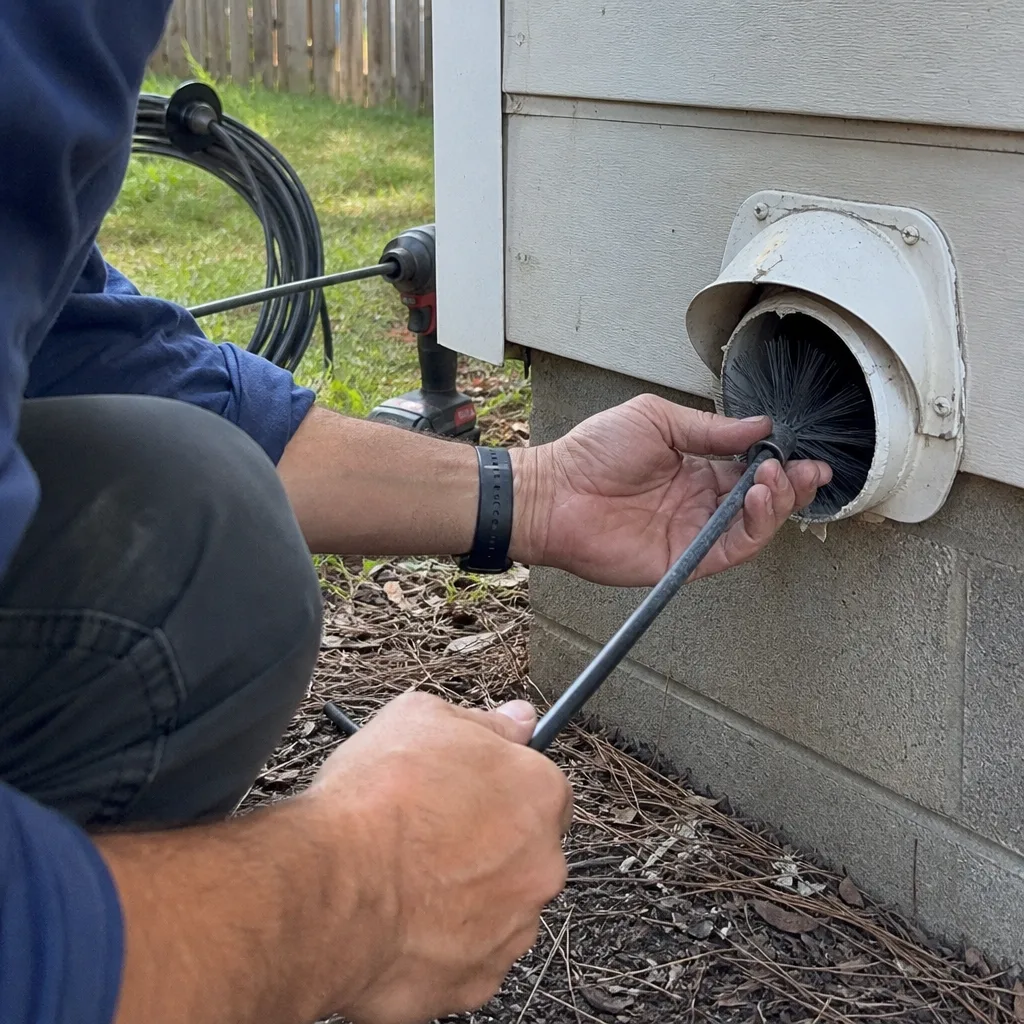
- The indicator light is out or flickering. The UV-C lamp’s filament degrades with runtime hours, not calendar time. In Johns Creek, where systems often run 2,200+ cooling hours annually, a lamp rated for 18 months may fail at 12. The ballast attempts to strike the lamp, causing the flicker before total failure.
- Musty or sour odors return when the blower cycles. The sanitizing lamp’s 253.7-nanometer wavelength disrupts microbial DNA. When output drops below 40 microwatts per square centimeter, mold and bacterial colonies on the coil and drain pan resume normal growth. The smell is the first sign; the biofilm visible on the coil is the confirmation.
- Increased allergy symptoms or respiratory irritation after the system runs. This points to the ionizing component in UV2400U series units, where the needle-point emitter bars accumulate oxidation residue. The ion output drops, and particulates that would otherwise agglomerate and filter out remain airborne.
- Visible corrosion or white buildup on the lamp housing or wiring. Georgia’s humidity plus the ozone byproduct of UV-C operation accelerates terminal corrosion. We see this most in crawlspace-mounted air handlers in Johns Creek’s older sections, where seasonal humidity swings exceed 40%.
- The lamp glows visibly but produces no sanitizing effect. UV-C is invisible; the faint blue visible glow is mercury line emission at 405 nanometers, not the germicidal wavelength. A lamp that “looks fine” may have lost its phosphor coating or suffered seal degradation, rendering it a $200 nightlight.
BeforeAfterReplacement Cost & What’s Included
| Service | Price Range | What’s Included |
|---|---|---|
| Honeywell UV-C lamp replacement (single lamp, accessible plenum) | $340-$420 | OEM or verified aftermarket lamp, ballast test, irradiance meter reading, photo record |
| Dual-lamp system or restricted access (crawlspace, attic) | $460-$580 | Both lamps, housing inspection, terminal cleaning, full photo documentation |
| Ballast or power supply replacement | $180-$260 additional | OEM Honeywell supply, voltage verification, mounting hardware |
What drives the range: plenum location (attic vs. closet), whether the original installer left service clearance, and whether the lamp has failed catastrophically enough to damage the socket or wiring. Every quote is written and agreed before work starts, Haven Standard Clause 1. The 365-Day Done Right Promise covers the installation and lamp performance; if output drops below spec, we replace it.
DIY or Call Us?
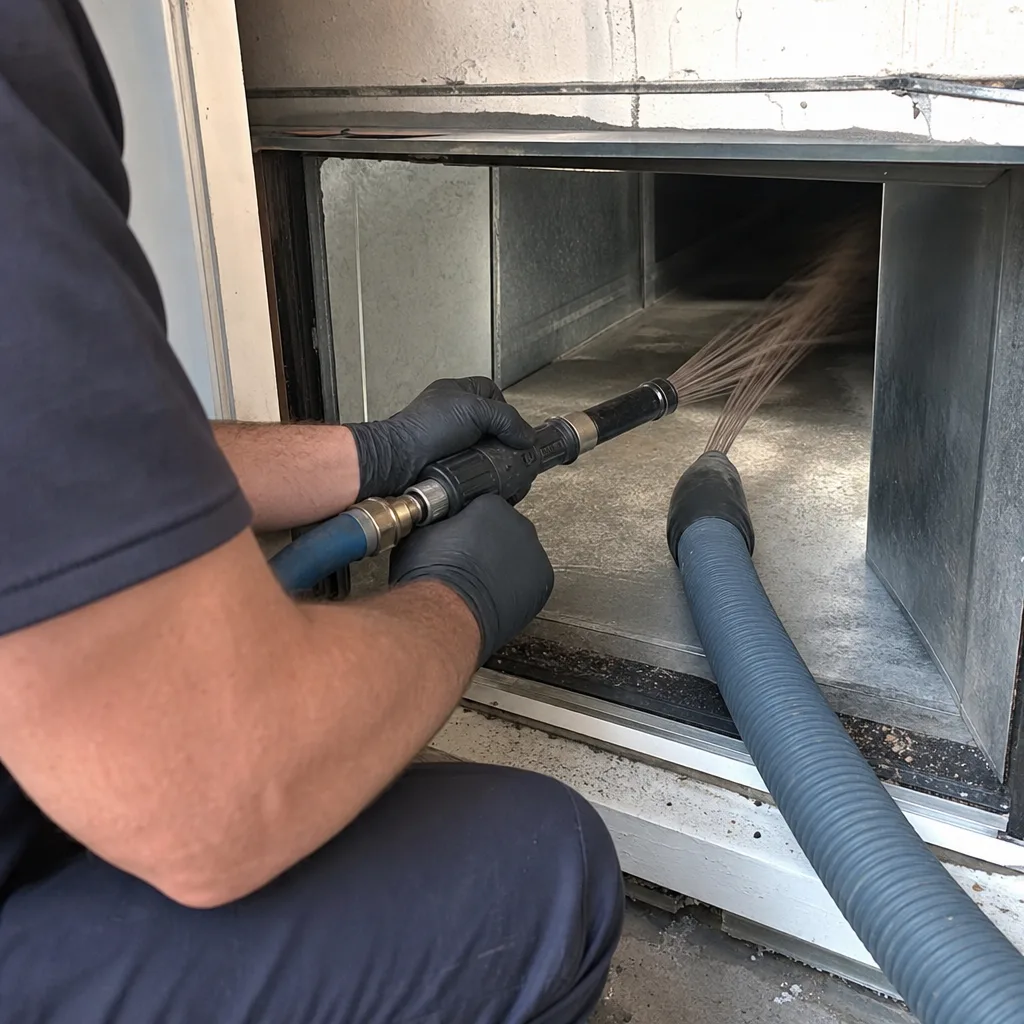
What you can safely check: confirm the lamp’s part number against the label, verify the breaker hasn’t tripped, and inspect the visible housing for corrosion or moisture intrusion. Do not attempt to remove or test a UV-C lamp while powered; the wavelength causes photokeratitis, essentially a sunburn on the cornea, within seconds of direct exposure.
Where DIY goes wrong: homeowners who source lamps from general retailers often receive 385-nanometer “blacklight” units that look identical but produce no germicidal effect. We’ve found three of these in Johns Creek homes this year alone, all installed by well-meaning owners who didn’t verify the wavelength spec. The ballast assembly also carries 120V even when the lamp appears dead, and the high-voltage starting pulse can damage sensitive HVAC control boards if mishandled. For the lamp swap and irradiance verification, call (470) 326-1926. We stock Honeywell-compatible lamps, test output with a calibrated meter, and document the before-and-after photo record as standard.
FAQs
Realistic lifespan is 12-16 months for UV-C lamps in this climate, not the 18-24 months on the packaging. Georgia’s extended cooling season means more annual runtime hours than the national average. We schedule replacement reminders at 14 months for our Johns Creek customers. Call (470) 326-1926 to set up a reminder or book service.
No. UV-C lamps are sealed glass tubes with a finite filament and phosphor coating. Once output drops below germicidal levels, the lamp is spent. The ballast and housing can sometimes be reused if they test within spec, which we verify before quoting replacement. Call (470) 326-1926 for a free second opinion on any written estimate.
A standard single-lamp replacement in an accessible plenum takes 45-60 minutes, including the irradiance meter reading and photo documentation. Restricted access or dual-lamp systems run 90-120 minutes. We quote the time estimate in writing along with the price, Haven Standard Clause 1.
Yes. We carry UV100E and RUVBULB1 series lamps, compatible ballasts, and mounting hardware for the systems we see most in Johns Creek. For less common configurations, we source overnight from our Atlanta supplier and schedule the install the following business day. We do not charge a trip fee to verify and order; the written price covers return installation.
CleanRun Duct Repair & Cleaning is an independent service provider; we are not affiliated with Honeywell. We also stock and install vent sanitizing components for Lennox, Trane, and Carrier systems.
Written by Tomas Reyes, Owner, CleanRun Air Duct Cleaning Johns Creek at CleanRun Air Duct Cleaning Johns Creek, serving Johns Creek and nearby areas.